Disclosure: I participate in the Amazon Associates Program. If you purchase through our links, we earn a small commission at no extra cost to you. This helps us keep our content free and independent.

Photo by Ron Lach on Pexels
Tonight, after the Halloween costumes come off, most of the United States gets a small gift: an extra hour. Daylight saving time ends at 2 a.m. on Sunday, November 1, 2026, when clocks move back one hour to 1 a.m. — so 1 a.m. happens twice. It is the earliest date the fall-back can fall, and it arrives right after Halloween, which makes this weekend feel longer in the best way — if you handle it gently.
An extra hour sounds simple, but our bodies notice the shift. Evenings get dark earlier, mornings get brighter sooner, and for a few days sleep, hunger, and energy can feel slightly out of step. This guide is a calm, practical plan for the weekend and the week after: what to do tonight, how to sleep well, how to use morning light, and how to make earlier evenings feel cozy instead of gloomy.
1. Tonight: set it up before you are tired
Do the small jobs on Saturday evening, not at 2 a.m. Most phones and computers update themselves, but ovens, microwaves, wall clocks, car clocks, and some alarm clocks do not. Walk through the house once, set those back one hour before bed, and you will wake up on Sunday with no second-guessing.
Tonight is also a good moment for two quick safety checks that many fire departments recommend at every clock change: test smoke and carbon monoxide alarms, and replace batteries if needed. It takes ten minutes, and tying it to the clock change means you never have to remember a separate date.
If you celebrated Halloween, keep tonight simple: sort the candy, put a portion away for later in the week, and let the evening wind down earlier than usual. Your body will thank you tomorrow.
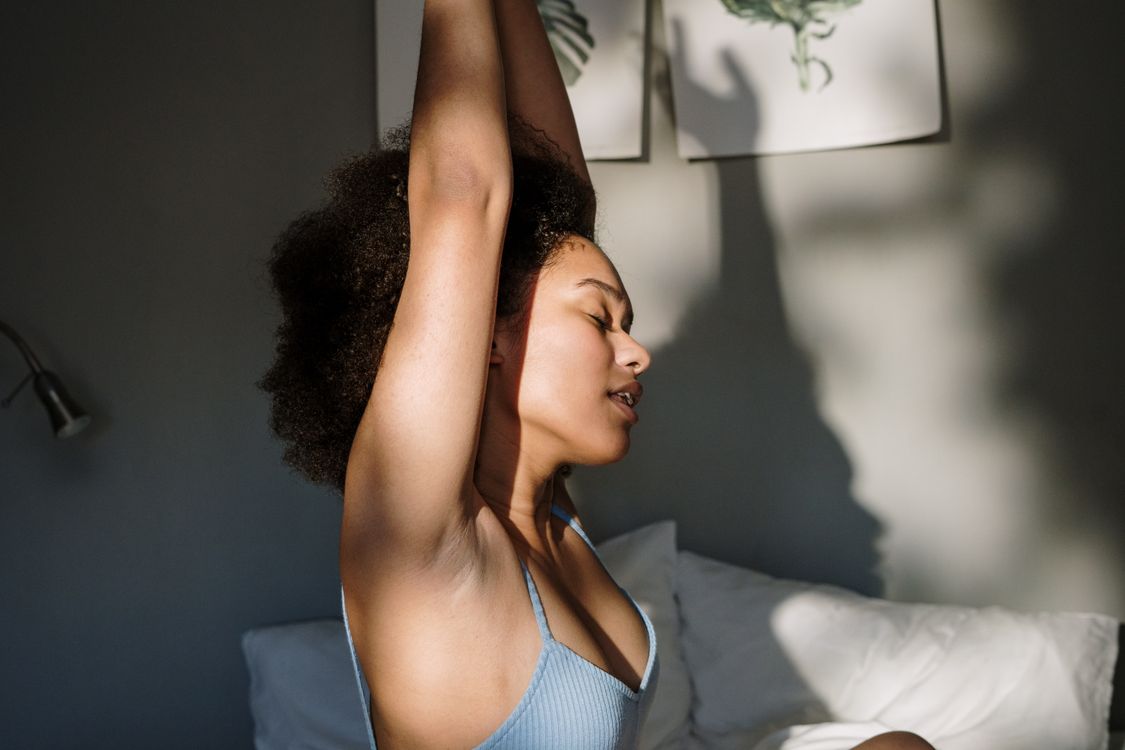
Photo by cottonbro studio on Pexels
2. Sleep: use the extra hour, do not spend it all at once
The kindest way to use the extra hour is to split it. Go to bed close to your normal time, let yourself sleep a little longer in the morning, and avoid one very late night followed by a crash. A consistent wake time — even on Sunday — helps your body settle into standard time within a few days.
Make the bedroom work for you this week. Earlier darkness can make us sleepy too early in the evening and then wide awake at 3 a.m. Keep the bedroom dark and cool for the actual sleep hours: blackout curtains help block street light and early dawn, and a comfortable sleep mask is useful if you share the room or nap during the day. Keep screens dim in the last hour before bed, and if you wake in the night, keep lights low so your body does not think morning has arrived at 1 a.m. — the first 1 a.m., or the second one.
3. Morning light is the reset button
Light is the strongest signal for your body clock, and fall-back week is when to use it on purpose. Get outside or sit by a bright window within an hour of waking, even for 15 to 30 minutes. A morning walk is ideal: it combines light, gentle movement, and fresh air, and it makes the earlier sunset feel less abrupt.

Photo by Filip Marcus Adam on Pexels
Cloudy week or an early work start? A bright light therapy lamp at breakfast can help you feel more awake on dark mornings, and a sunrise alarm clock makes waking before dawn gentler by gradually brightening the room instead of starting the day with a harsh beep in the dark. Neither replaces daylight, but both make November mornings noticeably easier.
4. Make earlier evenings a feature, not a flaw

Photo by Tasso Mitsarakis on Pexels
Sunset will suddenly arrive an hour earlier, and the first few evenings can feel surprisingly long. Plan for that instead of fighting it. Move walks and errands earlier when you can, and make the indoor hours deliberate: a real dinner at the table, a board game, a film, a chapter of a book, a warm drink.
A caffeine-free herbal tea in the evening is a small ritual that marks the end of the day without keeping you up. Keep caffeinated drinks to the morning this week, especially if you are sensitive — a coffee at 4 p.m. feels very different when your body thinks it is 5 p.m. and bedtime is still hours away.
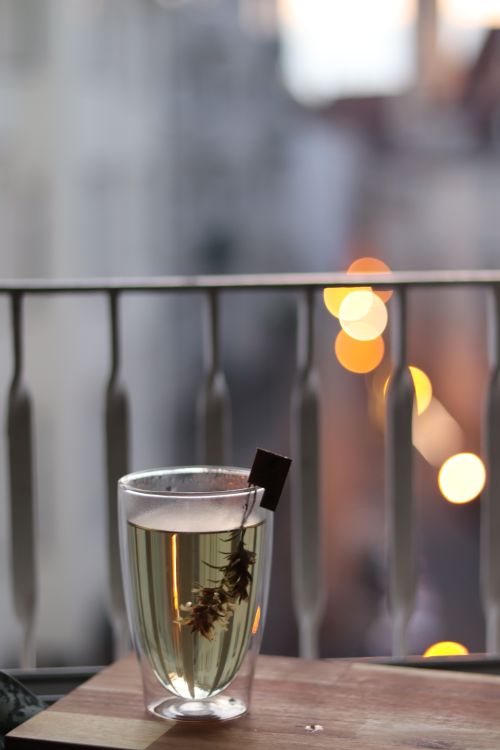
Photo by Nuray on Pexels
For children, shift in small steps: keep the same routine in the same order, just watch the clock a little less for two or three days. For pets, feeding times may need a gradual move — animals notice the hour even if they cannot read the clock.
5. A gentle plan for the first week
- Sunday: Enjoy the slower morning. Get morning light, keep naps short and early, and eat meals at the new times.
- Monday and Tuesday: Hold your wake time steady, even if sleep was patchy. Get outside at lunch if mornings are dark.
- Midweek: Most people feel normal again. If you are still wide awake too early, keep evenings dim and avoid bright light late at night.
- All week: Drive carefully at dusk. Earlier darkness means more people walking and cycling in low light during the evening commute.
The takeaway
Fall-back is the gentler of the two clock changes, but it still deserves a plan. Set the manual clocks tonight, check the alarms, use the extra hour kindly, chase morning light, and make the earlier evenings cozy on purpose. By next weekend, standard time will simply feel like time. Sleep well — you have an extra hour to practice.
Leave a Reply