Category: Travel

  • 가을 단풍 여행 준비: 남부에서 즐기는 여유로운 단풍 나들이 가이드

    공개: 본 포스트는 아마존 어소시에이츠 프로그램에 참여하고 있습니다. 링크를 통해 구매하시면 추가 비용 없이 소정의 수수료가 발생하며, 이는 콘텐츠를 무료로 계속 만드는 데 도움이 됩니다.

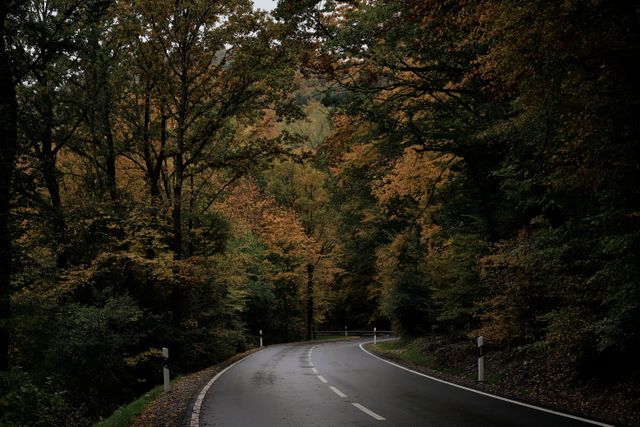
    Winding forest road with vibrant autumn foliage

    Photo by Christina & Peter on Pexels

    가을이 깊어지면 괜히 마음이 바빠집니다. 단풍이 절정이라는 소식을 들을 때마다 "올해는 꼭 가야지" 다짐하지만, 막상 떠나려니 무엇을 챙겨야 할지, 어디로 가야 할지 막막해지기 마련입니다. 사실 단풍 여행은 멀리, 거창하게 떠날 필요가 없습니다. 가까운 산과 공원, 드라이브 코스만 잘 골라도 충분히 가을을 만끽할 수 있습니다. 이 글에서는 미국 남부에 사는 분들을 위한 여유로운 단풍 나들이 준비법을 정리했습니다.

    1. 단풍 시기를 먼저 확인하세요

    남부의 단풍은 북부보다 늦게 찾아옵니다. 보통 10월 말부터 11월 중순까지가 절정인 경우가 많고, 고도가 높은 산악 지역일수록 조금 빨리 물듭니다. 떠나기 전에 해당 지역의 단풍 현황을 한 번만 검색해 보세요. "절정"이라는 말에 쫓기기보다, 조금 이른 시기라도 붉게 물들기 시작한 잎들을 보는 것만으로 충분히 아름답습니다. 주말 인파를 피하고 싶다면 평일 오전, 혹은 일요일 이른 아침을 노려보세요. 주차도 수월하고, 사진 찍기도 훨씬 여유롭습니다.

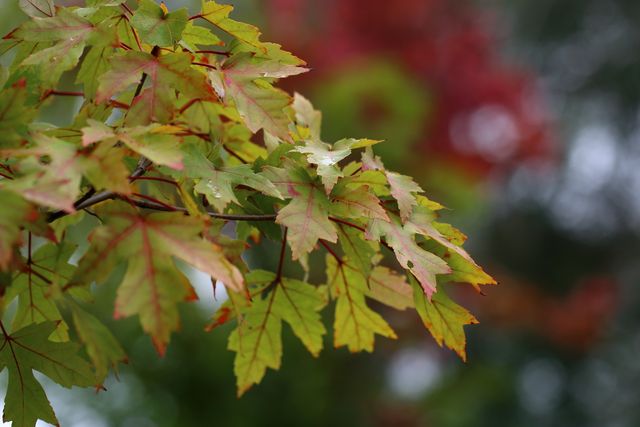
    Colorful autumn maple leaves close-up

    Photo by Zhifeng Fucha on Pexels

    2. 가볍게 걷기 좋은 곳을 고르세요

    단풍 여행의 목적은 정상 정복이 아니라, 가을을 천천히 눈에 담는 일입니다. 처음이라면 왕복 1~2시간 정도의 완만한 트레일이 좋습니다. 길이 잘 정비된 주립공원이나 호수 둘레길은 아이들과 함께 가기에도 부담이 없고, 중간중간 벤치에서 쉬어가며 간식을 먹기에도 좋습니다.

    길을 고를 때는 세 가지만 확인하세요. 첫째, 화장실과 주차장이 있는지. 둘째, 길이 흙길인지, 돌길인지. 셋째, 해가 지는 시간입니다. 가을 해는 생각보다 빨리 집니다. 오후 3시쯤부터는 돌아올 길을 계산하면서 걷는 것이 안전합니다.

    아이들과 함께 간다면, 아이들에게 작은 임무를 주면 걷는 시간이 훨씬 즐거워집니다. 가장 붉은 잎 찾기, 가장 큰 도토리 찾기, 새소리 세 가지 듣기 같은 놀이는 걷기를 게임으로 바꿔줍니다. 아이의 보폭에 맞추어 천천히 걷고, 20분마다 한 번씩 쉬어가는 것이 요령입니다. 아이가 지쳤다고 하면, 그 자리에서 간식을 먹고 돌아오는 용기도 필요합니다. 무리해서 끝까지 가는 것보다, 즐겁게 돌아오는 것이 다음 여행을 만듭니다.

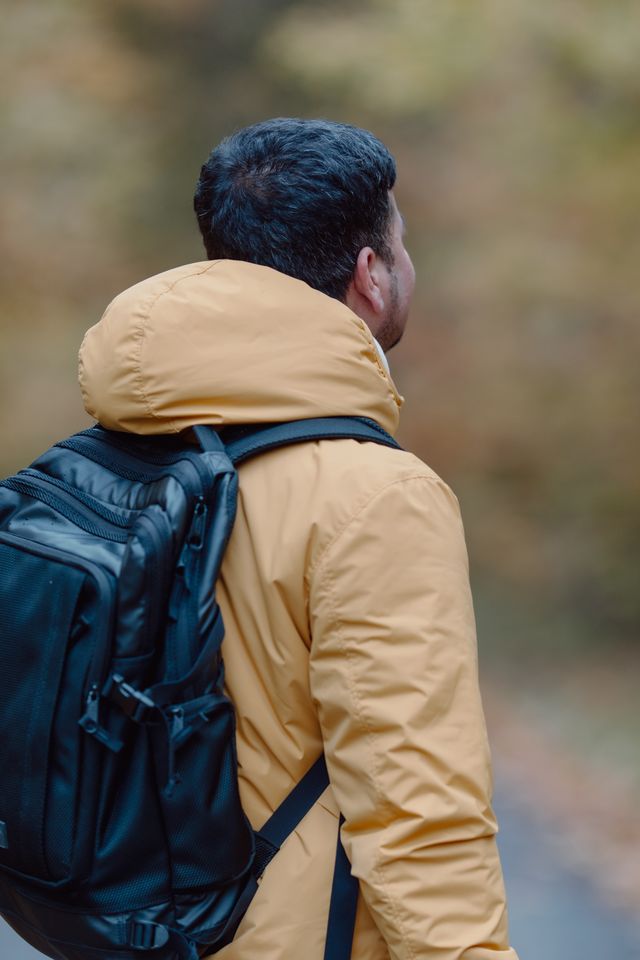
    Hiker with a backpack walking a forest trail in fall

    Photo by Masood Aslami on Pexels

    3. 옷차림: 겹쳐 입기가 정답입니다

    가을 산행에서 가장 중요한 것은 겹쳐 입기입니다. 아침에는 쌀쌀하고, 걷다 보면 금세 더워지고, 그늘에 들어서면 다시 추워집니다. 얇은 긴팔 위에 가벼운 플리스나 바람막이를 걸치는 식으로 조절할 수 있게 준비하세요.

    신발은 미끄럽지 않은 운동화나 가벼운 등산화가 좋습니다. 낙엽이 쌓인 길은 보기보다 미끄럽습니다. 모자와 선글라스도 챙기세요. 가을 햇살은 부드럽지만, 단풍을 올려다볼 때는 눈이 부시기 쉽습니다. 작은 배낭 하나면 충분합니다. 물, 간식, 휴지, 보조 배터리, 그리고 여분의 양말 한 켤레를 넣어두면 웬만한 상황은 다 해결됩니다.

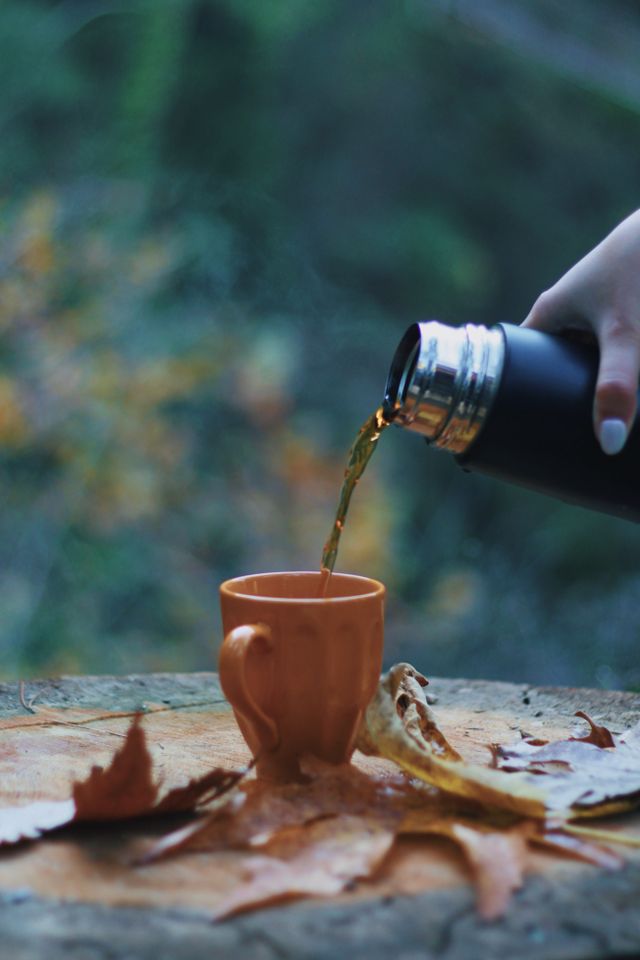
    Warm drink poured from a thermos outdoors among autumn leaves

    Photo by umranfilm on Pexels

    4. 배낭 속 단풍 여행 체크리스트

    떠나기 전날 밤, 배낭을 미리 꾸려두면 아침이 훨씬 여유롭습니다.

    • 물과 따뜻한 음료: 보온병에 따뜻한 차나 커피를 담아가면, 전망대에 앉아 마시는 한 모금이 여행의 하이라이트가 됩니다.
    • 간식: 견과류, 말린 과일, 작은 샌드위치가 좋습니다. 무겁지 않고, 쓰레기도 적게 나옵니다.
    • 방한 소품: 손난로 몇 개는 가볍고 든든합니다. 특히 손이 시린 분들에게는 작은 위로가 됩니다.
    • 비 대비: 가을 날씨는 변덕스럽습니다. 작게 접히는 우산 하나면 소나기에도 당황하지 않습니다.
    • 보는 재미: 작은 쌍안경이 있으면 멀리 있는 산 능선과 새들을 자세히 볼 수 있습니다. 아이들과 함께라면 더할 나위 없는 놀이 도구가 됩니다.

    5. 사진, 그리고 사진보다 중요한 것

    단풍 사진은 욕심을 버릴수록 잘 나옵니다. 파란 하늘을 배경으로 잎을 올려다보고 찍거나, 길 위에 쌓인 낙엽을 낮게 찍어보세요. 인물 사진은 역광을 피하고, 나무 그늘 아래에서 찍으면 얼굴이 훨씬 부드럽게 나옵니다.

    하지만 사진보다 중요한 것이 있습니다. 잠시 휴대폰을 내려놓고, 바람에 흔들리는 나뭇잎 소리를 들어보는 일입니다. 단풍은 매년 돌아오지만, 오늘의 빛과 공기는 오늘뿐입니다. 전망대에서 10분만 가만히 앉아 있어도, 여행은 충분히 값어치를 합니다.

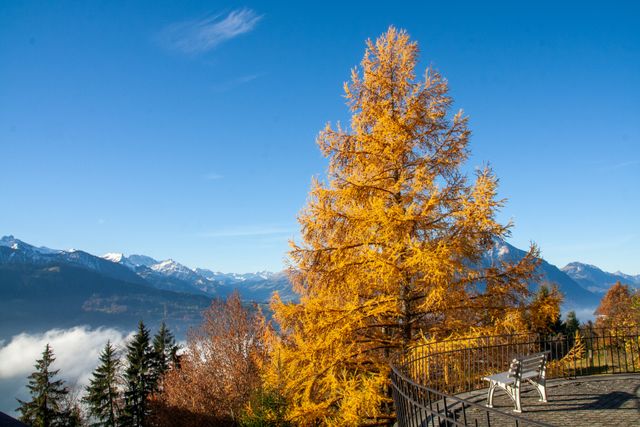
    Mountain overlook with golden autumn trees

    Photo by ILOVESwitzerland on Pexels

    6. 돌아오는 길까지 여행입니다

    단풍 여행은 돌아오는 길까지 포함입니다. 근처 작은 카페나 식당에 들러 따뜻한 음식을 먹는 것으로 하루를 마무리해 보세요. 차 안에서는 좋아하는 음악을 틀고, 오늘 본 풍경 중 가장 기억에 남는 장면을 서로 이야기해 보는 것도 좋습니다.

    집에 돌아오면 젖은 신발은 바람이 잘 통하는 곳에 말리고, 배낭 속 쓰레기는 바로 정리하세요. 다음 여행이 한결 가벼워집니다.

    마무리

    좋은 단풍 여행은 멀리 가는 것이 아니라, 잘 준비하고 천천히 즐기는 것입니다. 시기를 확인하고, 가벼운 길을 고르고, 겹쳐 입고, 작은 배낭 하나를 챙기세요. 그리고 무엇보다, 서두르지 마세요. 가을은 천천히 걷는 사람에게 가장 아름답게 물듭니다. 이번 주말, 가까운 단풍 길로 가벼운 나들이를 떠나보세요.

    이 글에서 소개한 준비물

  • Seville in Autumn: Why Spain’s Sunniest City Is Fall 2026’s Best Shoulder-Season Trip

    Disclosure: I participate in the Amazon Associates Program. If you purchase through our links, we earn a small commission at no extra cost to you. This helps us keep our content free and independent.

    Seville in summer is famous for one thing: heat. In autumn, the city finally relaxes. The light turns golden, the orange trees are heavy with fruit, restaurant terraces fill with locals again, and you can actually enjoy walking — which is the whole point of Seville. It is no surprise that fall 2026 travel data puts Seville at the top of the fastest-growing shoulder-season destinations, with searches up sharply on summer and fares well below peak prices.

    This is not a rushed checklist trip. Seville rewards the slow traveler: one neighborhood in the morning, a long lunch, a plaza in the late afternoon, and tapas when the city wakes up again in the evening. Here is a gentle three-day plan, plus the practical details that make it work.
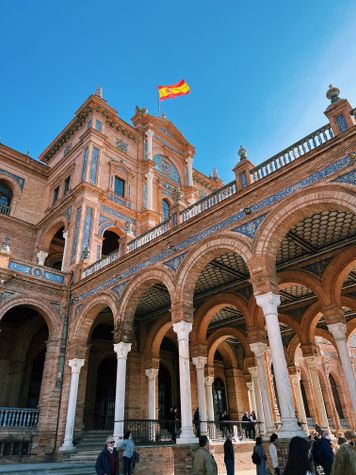
    Arched colonnade of Plaza de España in Seville, Spain, on a sunny autumn day

    Plaza de España in the morning light — go early, before the tour groups arrive. Photo by Michael Giugliano on Pexels.

    Why autumn is Seville’s best season

    First, the weather. October in Seville is usually warm enough for short sleeves in the afternoon, with cooler, comfortable evenings. You can sit outside without hunting for shade, walk the river path without wilting, and still enjoy a rooftop drink at sunset. Second, the crowds thin out. The Alcázar, the cathedral, and Plaza de España are still popular, but the lines and the crush feel manageable in a way they rarely do in June or July.

    Third, autumn is when Seville feels most like itself. Summer visitors are gone, students are back, flamenco tablaos are in full swing, and the city’s food calendar turns toward mushrooms, chestnuts, game, and hearty stews. If you want postcard weather and a city that is still living its normal life, this is the window.
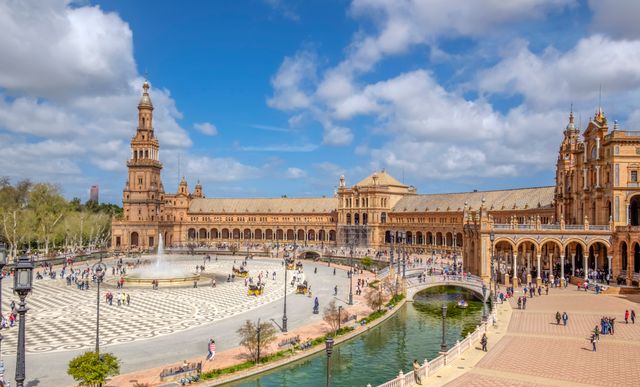
    Plaza de España in Seville under a blue sky with white clouds

    October skies in Seville are usually this blue — pack sunglasses, not just a jacket. Photo by Reinhard Bruckner on Pexels.

    Day 1: Plaza de España, María Luisa Park, and the river

    Start at Plaza de España, ideally before 10 a.m. Built for the 1929 Ibero-American Exposition, it is a vast semicircle of brick, tile, and bridges over a canal — and it is even more beautiful in person than in photos. Walk the full curve and look for the tiled alcoves: each one represents a different Spanish province, with a small painted scene and a map. Find yours, take the photo, and move on before the midday groups arrive.

    From there, wander into María Luisa Park next door. It is Seville’s green lung: wide paths, fountains, ducks, and benches under palm and jacaranda trees. This is a perfect picnic or coffee-stop park, and a good place to reset if you are jet-lagged. In the late afternoon, walk to the Guadalquivir River and follow the path toward the Torre del Oro, the 13th-century gold tower that once guarded the port. Sunset over the river, with the Triana neighborhood across the water, is one of the city’s simplest pleasures — and it costs nothing.

    Day 2: The old town — Santa Cruz, the cathedral, and the Alcázar

    Day two is for the historic center, and it is best done on foot. Start in Santa Cruz, the old Jewish quarter, where whitewashed houses, orange trees, and tiny plazas create a maze that is genuinely pleasant to get lost in. Do not try to follow a rigid route here; pick a direction, duck down a side street when something catches your eye, and trust that you will find your way back to a main square eventually.
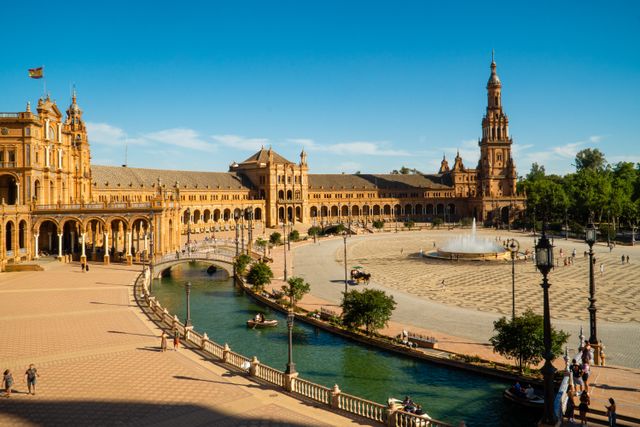
    Old building on Plaza de España in Seville, Spain

    The old town rewards slow walking — every narrow street seems to open onto a small plaza. Photo by Jose Rodriguez Ortega on Pexels.

    The Seville Cathedral is the largest Gothic cathedral in the world, and it earns that title. Give it at least an hour, and climb La Giralda, its bell tower, if you are comfortable with ramps rather than stairs — the tower was designed for horses, so the climb is a long slope, not a staircase. Next door, the Real Alcázar is a different world: Moorish courtyards, intricate tilework, carved ceilings, and gardens with fountains and peacocks. Book tickets for both in advance in autumn; same-day entry is possible, but timed entry saves a long wait.

    Practical tip: wear your most comfortable walking shoes for this day. Santa Cruz is cobblestones and uneven lanes, and you will walk farther than you expect without noticing — until your feet remind you.

    Day 3: Triana, flamenco, and a slow tapas evening

    Cross the Isabel II bridge into Triana, Seville’s riverside neighborhood, famous for ceramics, flamenco, and a fiercely local identity. Visit the Triana market in the morning, browse the ceramic shops along Calle Alfarería, and stop for coffee in a neighborhood café rather than a tourist square. Triana is where Seville feels least performed and most lived-in.

    In the evening, book a flamenco show — not a dinner-and-show package in a big hall if you can avoid it, but a smaller tablao where the singers, guitar, and dancers are close enough to feel. Flamenco is not background music; it is intense, emotional, and best experienced up close. Afterward, do tapas the local way: stand at the bar, order one or two small plates, finish your drink, and move to the next place. Three or four stops make a far better evening than one long, heavy restaurant meal.
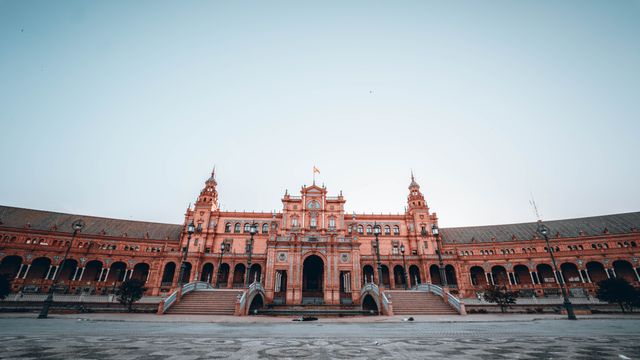
    Historic building on Plaza de España in Seville in warm evening light

    Evenings are for lingering — one small plate, one glass, then move on to the next bar. Photo by Jérémy Glineur on Pexels.

    Where to eat without overthinking it

    Seville’s food rule is simple: follow the locals, eat seasonally, and keep portions small. Try salmorejo (a thick, chilled tomato soup, richer than gazpacho), espinacas con garbanzos (spinach with chickpeas, a Seville classic), grilled prawns, and Iberian ham if your budget allows. For something sweet, look for torrijas — Spanish-style French toast, often served with honey — and, in autumn, chestnut desserts and warm churros with chocolate on a cool evening.

    Two habits will save you money and disappointment. First, avoid restaurants with large photo menus right on the main squares; walk one street back and the quality usually rises while the price falls. Second, lunch is the main meal in Spain, and many places offer a good-value menú del día at midday. Eat well at lunch, snack lightly in the evening, and you will feel better for the next day’s walking.

    Practical tips for an autumn trip

    Packing: Layers are the answer. A light jacket for mornings and evenings, breathable clothes for warm afternoons, and one pair of broken-in walking shoes you trust. A small crossbody bag keeps your hands free on crowded streets and in markets.

    Timing: Many shops and smaller sights close in the early afternoon for siesta, then reopen in the evening. Plan major sights for the morning, rest or linger over lunch in the middle of the day, and save neighborhoods and tapas for the evening — you will be moving with the city’s rhythm, not against it.

    Getting around: The historic center is walkable, and that is the best way to see it. For longer distances, Seville has trams, buses, and bike-share. If you stay outside the center, check that your hotel is near a tram or bus line, not just near a famous sight.
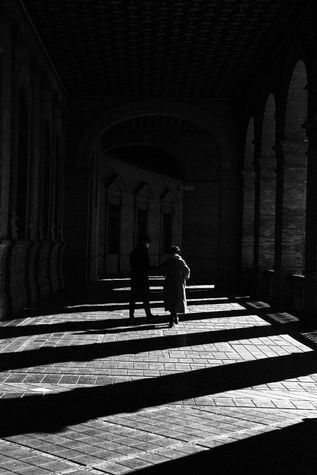
    Two people walking through a shaded arched corridor in Seville, Spain

    Seville’s shaded arcades and courtyards are made for unhurried exploring. Photo by Monica Mena Santos on Pexels.

    Day trips, if you have a fourth day: Córdoba, with its extraordinary Mezquita, is under two hours by train. Cádiz, one of Europe’s oldest cities, offers sea air and a completely different Andalusian mood. Ronda, perched above a gorge, is dramatic but deserves a full day, not a rushed half-day.

    The takeaway

    Seville in autumn is not about ticking off sights as fast as possible. It is about warm light, long lunches, orange-scented streets, and evenings that stretch out over small plates and good conversation. Come for three days, walk slowly, eat seasonally, and leave room in the plan for the plaza you stumble on by accident — that is usually the one you remember best.

    Have you been to Seville in autumn? Tell us in the comments which neighborhood you would start in — Santa Cruz, Triana, or Plaza de España first?

    Travel picks for Seville in autumn

    These are the pieces we would actually pack for this trip — comfortable, light, and useful on cobblestones and in markets.
  • 대만 여행의 모든 것

    Disclosure: This post contains affiliate links. If you buy through them, I may earn a small commission at no extra cost to you.

     🇹🇼 Taiwan Travel & Culture Guide

    🌺 Complete Travel & Culture Guide · 여행 및 문화 가이드

    Taiwan — The Heart of Asia

    대만 — 아시아의 심장

    숨막히는 산악지대, 활기찬 야시장, 고대 사원, 세계적 수준의 음식을 갖춘 섬 — 대만은 중국 문화유산, 일본 식민지 영향, 강렬한 독립적 현대 정체성을 하나의 잊을 수 없는 여행지로 융합합니다.

    📍 East Asia
    🏔️ Mountains & Sea
    🍜 Food Paradise
    🏯 Rich History
    🌐 Tech Hub
    📋

    Taiwan at a Glance 대만 한눈에 보기
    공식 명칭 중화민국 (대만)
    수도 타이베이 — 도시 인구 260만; 수도권 700만
    인구 약 2,350만 명
    언어 표준 중국어(공용어); 대만 민남어 광범위 사용; 하카어; 16개 원주민 언어
    통화 신대만달러 (NT$, TWD). 약 NT$32 = USD 1
    종교 불교, 도교, 민간신앙(종종 혼합); 기독교 약 6%; 깊은 혼합주의
    기후 북부 아열대; 남부 열대. 최적: 10~4월. 태풍 시즌: 7~9월
    시간대 UTC+8 (중국 표준시 — 일광 절약 없음)
    전압 110V / 60Hz — 미국식 플러그 (A타입). 유럽/한국에서 어댑터 필요
    인터넷 우수한 5G; MRT역, 공항, 세븐일레븐에서 무료 Wi-Fi; 방화벽 없음(중국 본토와 달리)
    📜

    History in Brief 역사 개요

    대만의 역사는 원주민, 식민 세력, 정치적 격변, 경제적 기적이 겹쳐진 이야기로, 아시아에서 역사적으로 가장 복잡한 곳 중 하나입니다.

    Pre-17th Century

    오스트로네시아 원주민

    대만은 적어도 25,000년 동안 오스트로네시아 민족이 거주해왔으며, 이들은 태평양 섬나라와 폴리네시아 민족의 조상입니다. 현재 아미스, 파이완, 아타얄을 포함한 16개 공식 인정 부족이 남아 있습니다.

    1624–1662

    네덜란드 및 스페인 식민지 시대

    네덜란드 동인도 회사(VOC)가 오늘날 타이난에 젤란디아 요새를 건설하고 대만을 무역 거점으로 활용했습니다. 스페인은 북부(지룽/단수이)를 잠시 점령했습니다.

    1662–1683

    정성공과 명나라 충신 왕국

    명나라 충신 장군 정성공(국성야)이 네덜란드를 축출하고 청나라로부터 중국 본토를 탈환하기 위한 기지로 대만을 확립했습니다. 그의 왕조는 1683년 청나라 수군 제독 시랑이 섬을 정복할 때까지 지속되었습니다.

    1683–1895

    청나라 통치

    대만은 청나라의 부(府)가 되었다가 완전한 성(省)이 되었습니다(1885). 한족 이민이 급증했습니다. 청일전쟁 후 일본에 할양되었습니다(1895 시모노세키 조약).

    1895–1945

    일본 식민지 시대

    일본이 50년간 대만을 통치하며 인프라(철도, 공중보건, 교육)를 현대화했지만 지역 정체성을 억압했습니다. 일본의 문화적 흔적은 오늘날도 강하게 남아 있습니다 — 음식(라멘, 덴푸라, 이자카야 문화), 건축, 그리고 많은 대만인이 일본에 대해 갖는 따뜻한 감정에서.

    1945–1949

    중국 복귀와 2·28 사건

    일본의 2차 세계대전 패전 후 장제스가 이끄는 국민당(KMT) 정부가 통제권을 가져갔습니다. 1947년 2월 28일 학살 — KMT 군대가 봉기에 대응해 약 1만 8천~3만 명의 대만 민간인을 살해 — 은 규정적 트라우마로 남아 있습니다.

    1949–1987

    망명 중화민국 정부와 계엄령

    공산주의자들에게 내전에서 패배한 후 장제스와 약 120만 명의 본토 피난민이 대만으로 후퇴하여 ROC가 중국 전체의 합법적 정부임을 선언했습니다. 계엄령은 1949년부터 1987년까지 지속되었습니다. “대만 경제 기적”으로 섬이 글로벌 제조 강국으로 산업화되었습니다.

    1987–2000

    민주화

    장징궈 총통이 1987년 계엄령을 해제했습니다. 대만은 빠르게 민주화되었습니다 — 야당 합법화, 자유 언론, 1996년 직선 대통령 선거. 2000년 민진당의 천수이볜이 대통령에 당선되어 대만 역사상 최초의 평화적 권력 이양이 이루어졌습니다.

    2000–Present

    글로벌 반도체 강국과 양안 관계 긴장

    TSMC(대만 적체 회로 제조)가 세계 최첨단 반도체의 90% 이상을 생산하여 대만을 세계에서 전략적으로 가장 중요한 섬으로 만들었습니다. 2019년 아시아 최초로 동성 결혼을 합법화했습니다.

    🎎

    Culture & Identity 문화와 정체성

    대만 문화는 살아있는 합성체입니다 — 중국 유교적 가치, 일본 미적 감수성, 원주민 전통, 그리고 동아시아를 형성한 활기찬 토착 대중문화.

    🏛️

    Confucian Roots 유교적 뿌리

    가족이 최우선입니다 — 효(孝), 어른에 대한 존경, 집단적 조화가 일상생활을 형성합니다. 체면(面子)이 매우 중요하며 다른 사람을 공개적으로 당혹시키는 것은 심각한 사회적 위반입니다.

    🌸

    Japanese Influence 일본의 영향

    50년간의 일본 통치가 깊은 문화적 흔적을 남겼습니다. 청결성, 서비스 품질, 시간 엄수에서 일본 수준의 기준을 가집니다. 일본 음식, 대중문화, 언어 차용어가 대만 일상생활에 녹아 있습니다.

    🪐

    Taiwanese Identity 대만 정체성

    “당신은 중국인입니까, 대만인입니까?”라는 질문은 매우 정치적입니다. 오늘날 대부분의 대만인은 중국인이 아닌 대만인으로 먼저 정체화합니다. 대만을 중국과 혼동하지 마세요 — 이 구분은 대부분의 사람들에게 매우 중요합니다.

    ⚠️ Critical sensitivity

    🎭

    Religion & Temples 종교와 사원

    대만은 세계에서 1인당 사원 밀도가 가장 높습니다 — 등록된 사원만 12,000개 이상. 불교, 도교, 조상 숭배가 매끄럽게 혼합되어 있습니다. 사원 축제는 거대하고 화려한 공공 행사입니다. 비신자도 정중하게 참관 가능합니다.

    📚

    Education Culture 교육 문화

    보습반(補習班)이 곳곳에 있으며 아이들은 종종 학교 후 밤 9시까지 추가 수업을 받습니다. 교육은 매우 경쟁적이고 학문적으로 엄격합니다. 한국의 교육열과 유사합니다.

    🌈

    Progressive & Open Society 진보적이고 개방적인 사회

    대만은 아시아에서 가장 LGBTQ+ 친화적인 사회입니다 — 아시아에서 동성 결혼을 합법화한 유일한 곳(2019). 타이베이 프라이드는 매년 10월 20만 명 이상이 참여합니다. 성별 역할, 여성 권리, 개인 자유에 대해 사회적으로 자유롭습니다.

    🤝

    Cultural Differences to Know 알아야 할 문화적 차이

    대만 문화는 서양인과 한국인 방문자 모두를 혼란스럽게 할 수 있는 암묵적 규칙으로 운영됩니다. 이를 이해하면 교류가 더 따뜻해지고 여행이 순조로워집니다.

    “대만 사람들은 낯선 이를 돕기 위해 굳이 돌아갑니다 — 하지만 처음에는 수줍어 보일 수 있습니다. 잠시 기다리면 따뜻함이 전해집니다.”

    Long-term foreign resident, Taipei

    😊

    Warmth & Hospitality 따뜻함과 환대

    대만인들은 아시아에서 가장 친절한 것으로 널리 알려져 있습니다. 낯선 사람이 길을 안내해주거나 음식을 권하거나 대화를 걸어올 수 있습니다. 이것은 침입이 아닌 진정한 배려입니다.

    🎁

    Gift-Giving 선물 문화

    선물은 흔하지만 규칙이 있습니다: 시계(장례 참석과 발음이 같음), 신발(떠나라는 의미), 배(이별과 발음이 같음)는 절대 주지 마세요. 선물을 준 사람 앞에서 바로 열지 마세요. 고향 음식은 항상 환영받습니다.

    ⚠️ No clocks or shoes

    🍽️

    Dining Etiquette 식사 예절

    주최자가 주문하고 계산합니다. 밥에 젓가락을 세로로 꽂지 마세요(장례 상징). 생선을 뒤집지 마세요(해양 미신). 차를 채워줄 때 테이블을 두 손가락으로 두 번 두드리는 것이 조용한 감사 표시입니다.

    👋

    Greetings 인사법

    가벼운 절이나 끄덕임이 표준 인사입니다. 서양인과는 악수도 괜찮습니다. “你好”(안녕하세요)와 “謝謝”(감사합니다)는 큰 효과가 있습니다. 나이, 월급, 체중을 물어보는 것은 일반적인 대화입니다 — 기분 나빠하지 마세요.

    🔢

    Numbers & Taboos 숫자와 금기

    4(四)는 “죽음”처럼 들립니다 — 병원과 호텔은 종종 4층을 건너뜁니다. 8(八)은 “번영/부”처럼 들립니다 — 가장 행운의 숫자. 붉은 봉투(紅包)에 현금을 넣는 것이 결혼식과 설날의 표준 선물입니다.

    😐

    Saving Face (面子) 체면(面子)

    절대 공개적으로 누군가를 당혹시키지 마세요 — 오류는 조용히 개인적으로 수정하세요. 누군가가 모른다는 것을 인정하기보다 잘못된 방향을 알려줄 수 있습니다 — 체면을 지키는 것입니다. 공개적인 좌절감이나 분노는 매우 당혹스럽습니다.

    Taiwan’s Food Culture — Night Market Nation 대만 음식 문화 — 야시장의 나라
    🧆

    Beef Noodle Soup (牛肉麵) 우육면

    대만의 비공식 국민 음식 — 풍부하고 양념된 육수에 졸인 소고기. 매 가정과 식당이 자체 레시피를 가지고 있습니다. 타이베이는 매년 우육면 축제를 개최합니다.

    🧇

    Scallion Pancake (蔥抓餅) 파전병

    파를 넣은 바삭한 겹겹이 쌓인 반죽 — 계란을 얹어 먹는 사랑받는 길거리 아침식사. 모든 아침 시장 노점에서 찾을 수 있습니다.

    🧃

    Bubble Tea (珍珠奶茶) 버블티

    1980년대 대만 타이중에서 발명되었습니다. 춘수이당(발명자) 같은 가게에서의 원조 버블티. 더 나은 맛을 위해 설탕을 줄여서(“少糖”) 주문하세요.

    🫁

    Stinky Tofu (臭豆腐) 취두부

    악명 높은 냄새의 발효 두부 — 겁먹지 마세요. 튀기거나 찐 후 절인 배추와 함께 제공됩니다. 현지인들이 사랑하는 야시장의 필수품. 냄새가 핵심이지만 맛은 의외로 훌륭합니다.

    🥟

    Din Tai Fung Dumplings (小籠包) 딘타이펑 샤오롱바오

    대만에서 가장 유명하게 수출된 식당. 타이베이에서 설립된 딘타이펑이 소롱포(수프 만두)를 세계적으로 유명하게 만들었습니다. 신이로 타이베이 본점에는 대기줄이 있지만 그럴 가치가 있습니다. 각 만두에는 정확히 18개의 주름이 있습니다.

    🌙

    Night Market Culture 야시장 문화

    야시장은 대만 사회생활의 영혼입니다. 스린(타이베이), 루이펑(가오슝), 펑자(타이중) — 각각 고유한 특성이 있습니다. 오후 5시부터 자정까지 영업합니다.

    Getting Around Taiwan 대만 교통 안내
    🚇

    Taipei MRT 타이베이 MRT

    아시아에서 가장 청결하고 효율적인 지하철 중 하나. 이지카드(悠遊卡)로 MRT, 버스, 자전거, 편의점에서 할인. MRT에서 절대 음식이나 음료 섭취 금지 — 최대 NT$7,500 벌금.

    🚄

    HSR Taiwan (高鐵) 고속철도

    대만 고속철도(THSR)가 타이베이에서 가오슝까지 90분이면 연결합니다. 남부 탐방에 필수적입니다. 바쁜 주말에는 좌석을 예약하세요. HSR 패스는 다도시 여행에 큰 가치가 있습니다.

    🛵

    Scooters 스쿠터

    대만은 세계에서 1인당 스쿠터가 가장 많습니다 — 2,300만 명에 1,400만 대 이상. 길을 건널 때 스쿠터 차선을 주의하세요. WeMo와 GoShare에서 전동 스쿠터 렌탈 가능(국제 면허 필요).

    🚌

    Intercity Buses 시외 버스

    유니스타 등 업체가 도시를 저렴하게 연결합니다. 타이베이에서 지우펀(영화 ‘센과 치히로의 행방불명’의 언덕 마을)까지 약 90분. 타로코 협곡, 르위에탄, 아리산 같이 고속철도가 닿지 않는 경치 좋은 노선에는 버스를 이용하세요.

    🗺️

    Places You Shouldn’t Miss 꼭 가야 할 곳
    🏙️

    Taipei 타이베이

    수도 — 스린 야시장, 타이베이 101, 룽산 사원, 시먼딩(청년 문화), 융캉 스트리트(음식 천국), 국립고궁박물관(세계 최고의 중국 예술 컬렉션).

    🏯 3–5 days

    🏔️

    Taroko Gorge (太魯閣) 타로코 협곡

    아시아에서 가장 장관적인 자연 경이 중 하나 — 대리석 협곡 벽, 청록색 강, 현수교, 아타얄 원주민 마을. 동쪽 해안의 화롄 근처. 기차+버스 또는 스쿠터로 접근 가능.

    🌿 2 days

    🎨

    Jiufen (九份) 지우펀

    미야자키 하야오의 ‘센과 치히로의 행방불명’에 영감을 준 언덕 위 찻집 마을(감독은 부정하지만). 붉은 등불, 구불구불한 돌 계단, 바다 전망. 저녁에 방문하면 분위기가 최고입니다.

    🌙 Evening trip

    💧

    Sun Moon Lake (日月潭) 르위에탄

    대만에서 가장 유명한 호수 — 호수 주위를 자전거로 도는 것이 클래식한 경험입니다. 고요한 사원, 원주민 문화(타오족), 안개 낀 산 전망. 가을 아침 안개 속이 최고입니다.

    🚴 Cycling paradise

    🌲

    Alishan (阿里山) 아리산

    성스러운 산 숲 — 구름 위의 일출, 고대 삼나무(일부 3,000년 수령), 좁은 게이지 산림 철도로 유명합니다. 여름에도 따뜻하게 입으세요 — 해발 2,200m 이상.

    🌅 Sunrise views

    🏖️

    Kaohsiung (高雄) 가오슝

    대만 제2도시 — 용호탑(로타스 연못), 피어 2 아트 지구, 불광산 불교 사원, 루이펑 야시장이 있는 항구 도시. 타이베이보다 여유롭고 덜 관광지적이며 따뜻합니다.

    ☀️ Southern warmth

    ✅

    Traveler’s Code 여행자 수칙
    ✓ 필수 사항
    • 현금 지참 — 많은 야시장 노점은 현금만 받습니다
    • 공항 MRT에서 이지카드(悠遊卡)를 구매하세요
    • 취두부를 먹어보세요 — 아마 좋아하게 될 겁니다
    • 노약자, 임산부, 장애인을 위해 MRT 좌석을 양보하세요
    • 謝謝(감사합니다)를 자주 말하세요 — 현지인들이 노력을 사랑합니다
    • 남부로 가는 주말 여행은 고속철도를 미리 예약하세요
    • 선크림을 바르세요 — 흐린 날에도 자외선 지수가 매우 높습니다
    • 사원 규칙을 존중하세요 — 신사에서는 단정하게 입으세요
    ✗ 이것은 피하세요
    • MRT에서 음식이나 음료 섭취 — 높은 벌금이 부과됩니다
    • 대만을 “중국의 성”이라고 부르지 마세요 — 매우 모욕적입니다
    • 시계, 신발, 배를 선물로 주지 마세요
    • 밥에 젓가락을 세워 꽂거나 생선을 뒤집지 마세요
    • 태풍 경보를 무시하지 마세요 — 진지하게 받아들이고 실내에 있으세요
    • 쓰레기를 버리지 마세요 — 대만은 공공장소를 완벽하게 깨끗하게 유지합니다
    • 현지인에게 양안 긴장을 “그냥 정치”로 일축하지 마세요
    • 허가 없이 사원 물건을 만지지 마세요
    💡

    Practical Tips 실용적인 팁
    💊

    Health & Safety 건강 및 안전

    대만은 아시아에서 가장 안전한 나라 중 하나입니다 — 강력 범죄는 매우 드뭅니다. 세계적 수준의 전민건강보험. 여름 남부에서 뎅기열 위험 — 모기 기피제 필수. 수돗물은 기술적으로 안전하지만 대부분의 현지인은 끓이거나 필터링합니다.

    📱

    SIM & Internet 유심 및 인터넷

    타오위안 공항(중화텔레콤, 대만모바일, 원이통)에서 선불 유심을 구매하세요 — 무제한 데이터 유심이 1주에 NT$300~500. VPN 불필요. 구글 지도와 구글 번역이 완벽하게 작동합니다(메뉴에는 카메라 번역 사용).

    💴

    Money & Tipping 돈과 팁

    대만에서는 팁을 주는 것이 관례가 아닙니다 — 현지 식당에서는 오히려 무례하게 보일 수 있습니다. 고급 국제 호텔은 10% 서비스 요금을 추가할 수 있습니다. 세븐일레븐 ATM에서 환전 가능(대부분의 국제 카드 허용).

    💡 No tipping needed

    🌧️

    Weather & Packing 날씨와 짐 싸기

    10~4월: 이상적 — 온화하고 건조. 5~6월: 덥고 점점 습해짐. 7~9월: 태풍 시즌. 준비물: 가벼운 통기성 옷, 작은 우산(세븐일레븐에서 저렴하게 구매 가능), 자외선 차단제 SPF50+, 사원 계단과 산길을 위한 편안한 운동화.

  • Taiwan: Complete Travel & Culture Guide

    Disclosure: This post contains affiliate links. If you buy through them, I may earn a small commission at no extra cost to you.

     🇹🇼 Taiwan Travel & Culture Guide

    nn
    🌺 Complete Travel & Culture Guide 

    Taiwan — The Heart of Asia

    A island of breathtaking mountains, bustling night markets, ancient temples, and world-class cuisine — Taiwan blends Chinese heritage, Japanese colonial influence, and a fiercely independent modern identity into one unforgettable destination.

    📍 East Asia
    🏔️ Mountains & Sea
    🍜 Food Paradise
    🏯 Rich History
    🌐 Tech Hub
    📋

    Taiwan at a Glance
    Official Name Republic of China (Taiwan) — ROC
    Capital Taipei (also spelled Taibei) — population 2.6 million city; 7 million metro
    Population ~23.5 million
    Language Mandarin Chinese (official); Taiwanese Hokkien widely spoken; Hakka; 16 indigenous languages
    Currency New Taiwan Dollar (NT$, TWD). ~NT$32 = USD 1
    Religion Buddhism, Taoism, folk religion (often blended); Christianity ~6%; deeply syncretic
    Climate Subtropical north; tropical south. Best: Oct–Apr. Typhoon season: Jul–Sep
    Time Zone UTC+8 (China Standard Time — no daylight saving)
    Voltage 110V / 60Hz — US-style plugs (Type A). Bring an adapter from Europe/Korea
    Internet Excellent 5G; free Wi-Fi at MRT stations, airports, 7-Eleven; no firewall (unlike mainland China)
    📜

    History in Brief

    Taiwan’s history is a layered story of indigenous peoples, colonial powers, political upheaval, and an economic miracle — making it one of the most historically complex places in Asia.

    Pre-17th Century

    Austronesian Indigenous Peoples

    Taiwan has been inhabited for at least 25,000 years by Austronesian peoples — ancestors of the Pacific Islands and Polynesian peoples. Today 16 officially recognized tribes remain, including the Amis, Paiwan, and Atayal. Their languages and traditions survive and are actively revitalized.

    1624–1662

    Dutch & Spanish Colonial Period

    The Dutch East India Company (VOC) established Fort Zeelandia in today’s Tainan, using Taiwan as a trading hub. Spain briefly occupied the north (Keelung/Danshui). Han Chinese migration from Fujian and Guangdong accelerated under Dutch rule.

    1662–1683

    Koxinga & the Ming Loyalist Kingdom

    Zheng Chenggong (Koxinga), a Ming loyalist general, expelled the Dutch and established Taiwan as a base to retake mainland China from the Qing. His dynasty lasted until 1683 when Qing forces under Admiral Shi Lang conquered the island.

    1683–1895

    Qing Dynasty Rule

    Taiwan became a prefecture, then a full province of the Qing Empire (1885). Han immigration surged, transforming the population. The island was ceded to Japan after the First Sino-Japanese War (1895 Treaty of Shimonoseki) — a trauma still referenced in Taiwan’s national consciousness.

    1895–1945

    Japanese Colonial Period

    Japan ruled Taiwan for 50 years, modernizing infrastructure (railways, public health, education) while suppressing local identity. Japanese cultural imprint remains strong today — in cuisine (ramen, tempura, izakaya culture), architecture (Taipei’s red-brick colonial buildings), and the warm regard many Taiwanese hold for Japan.

    1945–1949

    Return to China & the February 28 Incident

    After Japan’s defeat in WWII, the Nationalist (Kuomintang / KMT) government under Chiang Kai-shek took control. The February 28, 1947 massacre — where KMT troops killed an estimated 18,000–30,000 Taiwanese civilians in response to an uprising — remains a defining trauma and was suppressed from public discourse for decades.

    1949–1987

    ROC Government in Exile & Martial Law

    After losing the Civil War to the Communists, Chiang Kai-shek and ~1.2 million mainland refugees retreated to Taiwan, proclaiming the ROC the legitimate government of all China. Martial law lasted from 1949 to 1987 — one of the longest in history. The “Taiwan Economic Miracle” industrialized the island into a global manufacturing powerhouse.

    1987–2000

    Democratization

    President Chiang Ching-kuo (Chiang Kai-shek’s son) lifted martial law in 1987. Taiwan democratized rapidly — opposition parties legalized, free press, direct presidential elections in 1996. In 2000, the DPP’s Chen Shui-bian won the presidency, the first peaceful transfer of power away from the KMT in Taiwan’s history.

    2000–Present

    Global Semiconductor Power & Cross-Strait Tensions

    TSMC (Taiwan Semiconductor Manufacturing Company) makes over 90% of the world’s most advanced chips — making Taiwan arguably the most strategically important island on earth. Cross-strait relations with the PRC remain the central geopolitical tension. Taiwan has also become a model of LGBT rights in Asia, legalizing same-sex marriage in 2019.

    🎎

    Culture & Identity

    Taiwan’s culture is a living synthesis — Chinese Confucian values, Japanese aesthetic sensibilities, indigenous traditions, and a vibrant home-grown popular culture that has shaped East Asia.

    🏛️

    Confucian Roots

    Family is paramount — filial piety (孝, xiào), respect for elders, and collective harmony shape daily life. Decisions often involve the whole family. Saving face (面子, miànzi) is critical; public embarrassment of others is a serious social offense.

    🌸

    Japanese Influence

    50 years of Japanese rule left deep cultural marks. Taiwanese are often described as having Japan-like standards of cleanliness, service quality, and punctuality. Japanese food, pop culture (J-pop, anime), and even language loanwords are woven into daily Taiwanese life. Taiwan ranks among Japan’s most reliable international partners.

    🪐

    Taiwanese Identity

    The question “Are you Chinese or Taiwanese?” is deeply political. Most Taiwanese today identify as Taiwanese first, not Chinese. This is especially true among younger generations. Avoid conflating Taiwan with China — “Taiwanese” and “Chinese” are distinct identities, and the distinction matters enormously to most people here.

    ⚠️ Critical sensitivity

    🎭

    Religion & Temples

    Taiwan has the highest density of temples per capita in the world — over 12,000 registered temples. Taiwanese folk religion blends Buddhism, Taoism, and ancestor veneration seamlessly. Temple festivals (mazu pilgrimages, Lantern Festival) are massive, colorful public events. Non-believers are welcome to observe respectfully.

    📚

    Education Culture

    Cram schools (補習班 bǔxíbān) are everywhere — children often attend school plus extra classes until 9pm. Education is fiercely competitive and academically rigorous. University entrance exams are national events. Parents make enormous sacrifices for children’s education — similar to Korean 교육열 (education fever).

    🌈

    Progressive & Open Society

    Taiwan is the most LGBTQ+-friendly society in Asia — the only place in Asia to have legalized same-sex marriage (2019). Taipei Pride (held every October) draws 200,000+ participants. Socially liberal on gender roles, women’s rights, and personal freedoms. A genuinely safe destination for solo travelers of all backgrounds.

    🤝

    Cultural Differences to Know

    Taiwan culture operates on unspoken rules that can confuse Western and Korean visitors alike. Understanding these will make your interactions warmer and your trip smoother.

    “Taiwan people will go out of their way to help a stranger — but they may seem shy at first. Give it a moment and the warmth comes through.”

    Long-term foreign resident, Taipei

    😊

    Warmth & Hospitality

    Taiwanese people are widely regarded as among the most welcoming in Asia. Strangers may approach to help with directions, offer food, or strike up conversation. This isn’t intrusiveness — it’s genuine care. Reciprocate with warmth and a smile.

    🎁

    Gift-Giving

    Gifts are common but follow rules: never give clocks (送鐘 sòng zhōng — sounds like “attending a funeral”), shoes (implies “go away”), or pears (梨 lí — sounds like “parting”). Don’t open gifts immediately in front of the giver — it can seem greedy. Food from your home country is always welcomed.

    ⚠️ No clocks or shoes

    🍽️

    Dining Etiquette

    The host orders and pays — rarely split. Don’t stick chopsticks upright in rice (funeral symbolism). Don’t flip a fish at the table (maritime bad luck superstition). Serving others before yourself is polite. Tap the table twice with two fingers to thank someone for refilling your tea (a quiet “thank you” gesture).

    👋

    Greetings

    A slight bow or nod is the standard greeting. Handshakes are fine with Westerners. “你好” (nǐ hǎo — hello) and “謝謝” (xiè xiè — thank you) go a very long way. Physical contact (hugging, backslapping) between non-close friends is uncommon. Asking someone’s age, salary, or weight is normal conversation — don’t be offended.

    🔢

    Numbers & Taboos

    4 (四 sì) sounds like “death” — hospitals and hotels often skip the 4th floor, and gifts shouldn’t come in sets of 4. 8 (八 bā) sounds like “prosper/wealth” — the luckiest number. Red envelopes (紅包 hóng bāo) with cash are the standard gift for weddings and Lunar New Year; always an even amount.

    😐

    Saving Face (面子)

    Never embarrass someone in public — correct errors privately and gently. Don’t loudly refuse food or reject a host’s hospitality; find a polite way around it. If someone gives you a wrong direction rather than admit they don’t know — they’re saving face. Stay calm; frustration or anger in public is highly embarrassing for all involved.

    Taiwan’s Food Culture — Night Market Nation
    🧆

    Beef Noodle Soup (牛肉麵)

    Taiwan’s unofficial national dish — braised beef in a rich, spiced broth. Every family and restaurant has its own recipe. Taipei hosts an annual beef noodle festival. The best versions take 6+ hours to make.

    🧇

    Scallion Pancake (蔥抓餅)

    Layers of flaky, crispy dough with scallions — a beloved street breakfast, often topped with an egg. Found at every morning market stall. Costs NT$35–50.

    🧃

    Bubble Tea (珍珠奶茶)

    Invented in Taichung, Taiwan in the 1980s. The original is authentic here — pearl milk tea from shops like Chun Shui Tang (the inventor) or 50 Lan. Order with less sugar (“少糖 shǎo táng”) for a better-quality taste.

    🫁

    Stinky Tofu (臭豆腐)

    Fermented tofu with a notorious smell — don’t let it put you off. Deep-fried or braised, served with pickled cabbage. A night market staple that locals adore. The smell is the point; the taste is surprisingly good once you try it.

    🥟

    Din Tai Fung Dumplings (小籠包)

    Taiwan’s most famous restaurant export. Din Tai Fung (鼎泰豐), founded in Taipei, made xiao long bao (soup dumplings) world-famous. The Taipei original on Xinyi Road has a wait — worth every minute. Each dumpling has exactly 18 folds.

    🌙

    Night Market Culture

    Night markets are the soul of Taiwanese social life. Shilin (Taipei), Ruifeng (Kaohsiung), Fengjia (Taichung) — each has its own character. Open from ~5pm until midnight. Eat, browse, play games. Cash preferred, but WeChat/LINE Pay increasingly accepted.

    Getting Around Taiwan
    🚇

    Taipei MRT

    Among the cleanest, most efficient metros in Asia. Get an EasyCard (悠遊卡 — the Taipei equivalent of Oyster/T-money) for discounts on MRT, buses, bikes, and convenience stores. Absolutely no eating or drinking on the MRT — fines up to NT$7,500.

    🚄

    HSR Taiwan (高鐵)

    The Taiwan High Speed Rail (THSR) connects Taipei to Kaohsiung in 90 minutes. A must for exploring the south. Book the unreserved car for flexibility or reserve seats for busy weekends. The HSR Pass is great value for multi-city trips.

    🛵

    Scooters

    Taiwan has more scooters per capita than anywhere on earth — over 14 million for 23 million people. Crossing the street, be aware of the scooter lanes. WeMo and GoShare offer electric scooter rentals (international license required). The scooter swarms at red lights are a Taiwanese icon.

    🚌

    Intercity Buses

    Unistar and other operators link cities affordably. The bus to Jiufen (the Spirited Away hillside village) from Taipei takes about 90 minutes. Use the bus for scenic routes the HSR doesn’t reach: Taroko Gorge, Sun Moon Lake, Alishan.

    🗺️

    Places You Shouldn’t Miss
    🏙️

    Taipei

    The capital — Shilin Night Market, Taipei 101 (once the world’s tallest), Longshan Temple, Ximending (youth culture), Yongkang Street (food heaven), National Palace Museum (world’s greatest Chinese art collection).

    🏯 3–5 days

    🏔️

    Taroko Gorge (太魯閣)

    One of Asia’s most spectacular natural wonders — marble canyon walls, turquoise rivers, suspension bridges, and Atayal aboriginal villages. Near Hualien on the east coast. Accessible by train + bus or scooter rental.

    🌿 2 days

    🎨

    Jiufen (九份)

    The hilltop tea-house village that inspired Miyazaki’s Spirited Away (though he denies it). Red lanterns, winding stone staircases, sea views. Visit in the evening for the full atmosphere. 90 minutes from Taipei by bus.

    🌙 Evening trip

    💧

    Sun Moon Lake (日月潭)

    Taiwan’s most famous lake — cycling around the lake is the classic experience. Serene temples, aboriginal culture (Thao tribe), and misty mountain views. Near Nantou in central Taiwan. Best in autumn morning mist.

    🚴 Cycling paradise

    🌲

    Alishan (阿里山)

    Sacred mountain forest — famous for the sunrise above the cloud sea, ancient cypress trees (some 3,000 years old), and a narrow-gauge forest railway. Dress warmly even in summer — altitude 2,200m+.

    🌅 Sunrise views

    🏖️

    Kaohsiung (高雄)

    Taiwan’s second city — harbor city with the Dragon and Tiger Pagodas (Lotus Pond), Pier-2 Art District, Fo Guang Shan Buddhist monastery, and Ruifeng Night Market. More relaxed, less touristy, warmer than Taipei. 90 min from Taipei by HSR.

    ☀️ Southern warmth

    ✅

    Traveler’s Code
    ✓ Essentials
    • Carry cash — many night market stalls are cash-only
    • Get an EasyCard (悠遊卡) at the airport MRT
    • Try the stinky tofu — you’ll probably love it
    • Give up your MRT seat for elderly, pregnant, and disabled riders
    • Say 謝謝 (xiè xiè) liberally — locals adore the effort
    • Book HSR in advance for weekend travel south
    • Wear sunscreen — UV index is extreme even on cloudy days
    • Respect temple rules — dress modestly at shrines
    ✗ Avoid These
    • Eat or drink on the MRT — heavy fines apply
    • Refer to Taiwan as “a province of China” — deeply offensive
    • Give clocks, shoes, or pears as gifts
    • Stick chopsticks upright in rice or flip fish at the table
    • Ignore typhoon warnings — take them seriously and stay indoors
    • Litter — Taiwan keeps its public spaces impeccably clean
    • Dismiss the PRC-Taiwan tension as “just politics” to locals
    • Touch items in temples without permission
    💡

    Practical Tips
    💊

    Health & Safety

    Taiwan is one of the safest countries in Asia — violent crime is very rare. Universal healthcare is world-class; bring your health insurance card. Dengue fever risk in summer in the south — mosquito repellent essential. Tap water is technically safe but most locals boil or filter; drink bottled or convenience store water. For travel hygiene on the go, pack flushable wipes for freshening up between stops. To stay hydrated in Taiwan’s heat and humidity, carry electrolytes to replace what you lose through sweat.

    📱

    SIM & Internet

    Buy a prepaid SIM at Taoyuan Airport (Chunghwa Telecom, Taiwan Mobile, Far EasTone) — unlimited data SIMs from NT$300–500 for a week. No VPN needed — all sites accessible. Google Maps and Google Translate work perfectly (use camera-translate for menus). Keep your phone charged for Google Maps and Translate with a portable charger.

    💴

    Money & Tipping

    Tipping is not customary in Taiwan — it can even seem rude at local restaurants. High-end international hotels may add a 10% service charge. Exchange USD or KRW at airport counters or 7-Eleven ATMs (accepts most international cards). Night markets: NT$30–100 per dish.

    💡 No tipping needed

    🌧️

    Weather & Packing

    October–April: ideal — mild and dry. May–June: hot and increasingly humid. July–September: typhoon season — check forecasts daily. Pack: lightweight breathable clothes, a small umbrella (ubiquitous, cheap at 7-Eleven), sunscreen SPF50+, and comfortable walking shoes for temple stairs and mountain paths. A travel portable iron is also handy for keeping lightweight clothes wrinkle-free.

  • 여행자를 위한 생존일본어

    Disclosure: This post contains affiliate links. If you buy through them, I may earn a small commission at no extra cost to you.

     Survival Japanese

    Traveler’s Phrasebook · 여행자 구문집

    Survival Japanese
    for Travelers

    旅行者のための生存日本語
    여행자를 위한 생존 일본어

    첫 인사부터 긴급 상황까지, 여행자에게 꼭 필요한 일본어 핵심 표현들. 발음, 로마자 표기, 문화 팁을 함께 수록했습니다.

    💡가이드 활용법: 일본어는 히라가나(ひらがな), 가타카나(カタカナ), 한자(漢字) 세 가지 문자를 사용합니다. 로마자(로마지)는 발음을 표시합니다. 천천히 또렷하게 말하세요 — 대부분의 일본인은 완벽하지 않아도 노력 자체를 높이 평가합니다.
    01

    Pronunciation Basics발음 기초

    일본어 발음은 규칙이 일정합니다. 각 음절을 같은 길이와 강세로 발음하세요. 이 소리들을 익히면 충분히 의사소통이 가능합니다.

    あa“아”처럼 발음
    いi“이”처럼 발음
    うu입술을 살짝 열어 “우”
    えe“에”처럼 발음
    おo“오”처럼 발음
    んn콧소리 “은” — 독립 음절
    っdouble consonant다음 자음 앞에서 잠깐 멈춤
    長音long vowelsō / ū 표시 모음은 두 배 길게
    02

    Greetings & Politeness인사 및 예절
    おはようございますOhayō gozaimasu좋은 아침입니다
    こんにちはKonnichiwa안녕하세요 / 좋은 오후입니다
    こんばんはKonbanwa좋은 저녁입니다
    ありがとうございますArigatō gozaimasu감사합니다 (공식)
    すみませんSumimasen실례합니다 / 죄송합니다
    ごめんなさいGomen nasai정말 죄송합니다 (진심 사과)
    はい / いいえHai / Iie네 / 아니요
    よろしくお願いしますYoroshiku onegaishimasu잘 부탁드립니다
    おやすみなさいOyasumi nasai안녕히 주무세요
    いただきますItadakimasu식사 전 인사 (잘 먹겠습니다)
    ごちそうさまでしたGochisōsama deshita식사 후 인사 (잘 먹었습니다)
    03

    Getting Around이동 및 교통
    🚆
    Train & Subway 電車전철 · 지하철
    〜駅はどこですか?

    ~ eki wa doko desu ka? ~역은 어디에 있습니까?
    〜行きの切符を一枚

    ~ yuki no kippu wo ichimai ~행 표 한 장 주세요
    この電車は〜に止まりますか?

    Kono densha wa ~ ni tomarimasu ka? 이 전철은 ~에 섭니까?
    乗り換えはどこですか?

    Norikae wa doko desu ka? 환승은 어디서 합니까?
    🚕
    Taxi タクシー택시
    〜までお願いします

    ~ made onegaishimasu ~까지 부탁합니다
    ここで止めてください

    Koko de tomete kudasai 여기서 세워 주세요
    領収書をください

    Ryōshūsho wo kudasai 영수증 주세요
    🗺️
    Directions 道順길 찾기
    〜はどこですか?

    ~ wa doko desu ka? ~는 어디에 있습니까?
    まっすぐ / 右 / 左

    Massugu / Migi / Hidari 직진 / 오른쪽 / 왼쪽
    地図を書いてもらえますか?

    Chizu wo kaite moraemasu ka? 지도를 그려 주실 수 있습니까?
    04

    Accommodation숙박
    予約がありますYoyaku ga arimasu예약이 있습니다
    チェックインをお願いしますChekkuin wo onegaishimasu체크인 부탁드립니다
    部屋のカギをなくしましたHeya no kagi wo nakushimashita방 열쇠를 잃어버렸습니다
    〜が壊れています~ ga kowarete imasu~가 고장났습니다
    タオルをもっとくださいTaoru wo motto kudasai수건을 더 주세요
    チェックアウトは何時ですか?Chekkuauto wa nanji desu ka?체크아웃은 몇 시입니까?
    荷物を預かっていただけますか?Nimotsu wo azukatte itadakemasu ka?짐을 맡아 주실 수 있습니까?
    05

    Dining & Food식사 및 음식
    🍜
    Ordering 注文주문
    〜をください

    ~ wo kudasai ~를 주세요
    おすすめは何ですか?

    Osusume wa nan desu ka? 추천 메뉴가 무엇입니까?
    〜はアレルギーがあります

    ~ wa arerugī ga arimasu 저는 ~에 알레르기가 있습니다
    辛くしないでください

    Karakunai de kudasai 맵지 않게 해 주세요
    お会計をお願いします

    Okaikei wo onegaishimasu 계산서 주세요
    🍵
    Dietary Needs 食事制限식이 제한
    ベジタリアンです

    Bejitarian desu 저는 채식주의자입니다
    肉は食べません

    Niku wa tabemasen 저는 고기를 먹지 않습니다
    ハラール食はありますか?

    Harāru shoku wa arimasu ka? 할랄 음식이 있습니까?
    グルテンフリーですか?

    Guruten furī desu ka? 글루텐 프리입니까?
    💳
    Payment 支払い결제
    クレジットカードは使えますか?

    Kurejitto kādo wa tsukaemasu ka? 신용카드를 사용할 수 있습니까?
    別々にお願いします

    Betsubetsu ni onegaishimasu 따로 계산해 주세요
    領収書をください

    Ryōshūsho wo kudasai 영수증 주세요
    06

    Shopping쇼핑
    いくらですか?Ikura desu ka?얼마입니까?
    これをくださいKore wo kudasai이것으로 주세요
    もっと安いものはありますか?Motto yasui mono wa arimasu ka?더 저렴한 것이 있습니까?
    試着してもいいですか?Shichaku shite mo ii desu ka?입어봐도 됩니까?
    サイズはMですSaizu wa M desu사이즈는 M입니다
    袋に入れてくださいFukuro ni irete kudasai봉지에 넣어 주세요
    返品できますか?Henpin dekimasu ka?반품할 수 있습니까?
    免税できますか?Menzei dekimasu ka?세금 환급을 받을 수 있습니까?
    07

    Numbers & Time숫자 및 시간
    0Zero / Rei영/제로
    1Ichi일
    2Ni이
    3San삼
    4Shi / Yon사/넷
    5Go오
    6Roku육
    7Nana / Shichi칠/일곱
    8Hachi팔
    9Kyū / Ku구
    10Jū십
    100Hyaku백
    1,000Sen천
    10,000Man만
    〜時~ ji~시 (예: 三時 = 3시)
    〜分~ fun / pun~분 (예: 十五分 = 15분)
    今何時ですか?Ima nanji desu ka?지금 몇 시입니까?
    午前 / 午後Gozen / Gogo오전 / 오후
    今日 / 明日 / 昨日Kyō / Ashita / Kinō오늘 / 내일 / 어제
    08

    Health & Medical건강 및 의료
    〜が痛いです~ ga itai desu~가 아픕니다
    病院はどこですか?Byōin wa doko desu ka?병원은 어디에 있습니까?
    薬局はどこですか?Yakkyoku wa doko desu ka?약국은 어디에 있습니까?
    アレルギーがありますArerugī ga arimasu알레르기가 있습니다
    熱がありますNetsu ga arimasu열이 있습니다
    救急車を呼んでくださいKyūkyūsha wo yonde kudasai구급차를 불러 주세요
    英語を話せますか?Eigo wo hanasemasu ka?영어를 하십니까?
    保険がありますHoken ga arimasu보험이 있습니다

    신체 부위: 머리 頭 (아타마) · 위장 胃 (이) · 등 背中 (세나카) · 다리 足 (아시) · 가슴 胸 (무네) · 목 喉 (노도) · 눈 目 (메) · 이 歯 (하)

    Essential Culture Tips 필수 문화 팁
    🙇

    Bowing 인사하기

    허리를 굽히는 인사가 기본입니다. 15° 가볍게 고개를 끄덕이면 캐주얼, 30°는 존경, 45°는 깊은 사과나 경의를 나타냅니다.

    🚫

    No Tipping 팁 없음

    일본에서는 팁 문화가 없으며 오히려 실례가 될 수 있습니다. 최상의 서비스는 당연한 것이며 “ありがとうございました!”로 감사를 표현하세요.

    👟

    Remove Your Shoes 신발 벗기

    가정, 전통 식당(현관), 사찰, 여관에 들어갈 때는 반드시 신발을 벗으세요. 입구에 슬리퍼가 있으며 화장실 슬리퍼는 화장실 안에만 사용합니다!

    🗑️

    No Trash Bins 쓰레기통 없음

    일본은 공공 쓰레기통이 거의 없습니다. 작은 봉지를 가지고 다니며 호텔이나 편의점에서 버리세요. 이 문화 덕분에 거리가 놀랍도록 깨끗합니다.

    📱

    Quiet in Public 공공장소 에티켓

    전철에서는 통화를 짧게 하거나 문자를 보내세요. 우선석은 노약자, 임산부, 장애인 전용입니다. 대부분 지역에서 걸으면서 먹는 것은 실례입니다.

    💴

    Cash is King 현금 선호

    일본은 아직도 현금 사용이 많습니다. 7-Eleven과 우체국 ATM에서 해외 카드 사용이 가능합니다. 특히 대도시 외에서는 5,000~10,000엔 현금을 항상 갖고 다니세요.

    🆘 Emergency Phrases & Numbers긴급 표현 및 번호
    助けてください!Tasukete kudasai!도와주세요!
    泥棒!Dorobō!도둑이야!
    火事だ!Kaji da!불이야!
    警察を呼んでくださいKeisatsu wo yonde kudasai경찰을 불러 주세요
    迷子になりましたMaigo ni narimashita길을 잃었습니다
    パスポートをなくしましたPasupōto wo nakushimashita여권을 잃어버렸습니다
    🚨 警察 110Keisatsu경찰 — 110번
    🚒 消防・救急 119Shōbō / Kyūkyū소방/구급 — 119번
    09

    Quick Reference Card빠른 참조 카드
    わかりませんWakarimasen이해하지 못합니다
    もう一度言ってくださいMō ichido itte kudasai다시 한번 말씀해 주세요
    ゆっくり話してくださいYukkuri hanashite kudasai천천히 말씀해 주세요
    英語を話せますか?Eigo wo hanasemasu ka?영어를 하십니까?
    書いてもらえますか?Kaite moraemasu ka?써 주실 수 있습니까?
    トイレはどこですか?Toire wa doko desu ka?화장실은 어디에 있습니까?
    Wi-Fiはありますか?Wai-fai wa arimasu ka?와이파이가 있습니까?
    写真を撮ってもいいですか?Shashin wo totte mo ii desu ka?사진을 찍어도 됩니까?
    一緒に写真を撮ってくださいIssho ni shashin wo totte kudasai함께 사진 찍어 주세요
    素晴らしい!Subarashii!훌륭합니다! / 멋집니다!
    おいしい!Oishii!맛있어요!
    気をつけてKi wo tsukete조심하세요
  • Survival Japanese for Travelers

    Disclosure: This post contains affiliate links. If you buy through them, I may earn a small commission at no extra cost to you.

     Survival Japanese

    Traveler’s Phrasebook · 여행자 구문집

    Survival Japanese
    for Travelers

    旅行者のための生存日本語
    여행자를 위한 생존 일본어

    Essential Japanese phrases every traveler needs — from first greetings to emergency situations. Includes pronunciation, romaji, and cultural tips.

    💡How to use this guide: Japanese uses three scripts — Hiragana (ひらがな), Katakana (カタカナ), and Kanji (漢字). Romaji (Roman letters) shows pronunciation. Speak slowly and clearly — most Japanese people appreciate the effort even if your accent isn’t perfect.
    01

    Pronunciation Basics발음 기초

    Japanese pronunciation is remarkably consistent — each syllable is spoken with equal length and stress. Master these sounds and you’ll be understood.

    あalike “ah” in “father”
    いilike “ee” in “see”
    うulike “oo” but with lips barely open
    えelike “e” in “bed”
    おolike “o” in “go”
    んnnasal “n” — a syllable on its own
    っdouble consonantpause before the next consonant
    長音long vowelshold vowels marked ō / ū twice as long
    02

    Greetings & Politeness인사 및 예절
    おはようございますOhayō gozaimasuGood morning좋은 아침입니다
    こんにちはKonnichiwaHello / Good afternoon안녕하세요 / 좋은 오후입니다
    こんばんはKonbanwaGood evening좋은 저녁입니다
    ありがとうございますArigatō gozaimasuThank you (formal)감사합니다 (공식)
    すみませんSumimasenExcuse me / Sorry / Pardon실례합니다 / 죄송합니다
    ごめんなさいGomen nasaiI’m sorry (sincere apology)정말 죄송합니다 (진심 사과)
    はい / いいえHai / IieYes / No네 / 아니요
    よろしくお願いしますYoroshiku onegaishimasuPleased to meet you / Please잘 부탁드립니다
    おやすみなさいOyasumi nasaiGood night안녕히 주무세요
    いただきますItadakimasuSaid before eating (thank you for the meal)식사 전 인사 (잘 먹겠습니다)
    ごちそうさまでしたGochisōsama deshitaSaid after eating (it was a feast)식사 후 인사 (잘 먹었습니다)
    03

    Getting Around이동 및 교통
    🚆
    Train & Subway 電車
    〜駅はどこですか?

    ~ eki wa doko desu ka? Where is ~ station?
    〜行きの切符を一枚

    ~ yuki no kippu wo ichimai One ticket to ~
    この電車は〜に止まりますか?

    Kono densha wa ~ ni tomarimasu ka? Does this train stop at ~?
    乗り換えはどこですか?

    Norikae wa doko desu ka? Where do I transfer?
    🚕
    Taxi タクシー
    〜までお願いします

    ~ made onegaishimasu Please take me to ~
    ここで止めてください

    Koko de tomete kudasai Please stop here
    領収書をください

    Ryōshūsho wo kudasai Please give me a receipt
    🗺️
    Directions 道順
    〜はどこですか?

    ~ wa doko desu ka? Where is ~?
    まっすぐ / 右 / 左

    Massugu / Migi / Hidari Straight / Right / Left
    地図を書いてもらえますか?

    Chizu wo kaite moraemasu ka? Could you draw me a map?
    04

    Accommodation숙박
    予約がありますYoyaku ga arimasuI have a reservation예약이 있습니다
    チェックインをお願いしますChekkuin wo onegaishimasuI’d like to check in체크인 부탁드립니다
    部屋のカギをなくしましたHeya no kagi wo nakushimashitaI lost my room key방 열쇠를 잃어버렸습니다
    〜が壊れています~ ga kowarete imasu~ is broken~가 고장났습니다
    タオルをもっとくださいTaoru wo motto kudasaiPlease give me more towels수건을 더 주세요
    チェックアウトは何時ですか?Chekkuauto wa nanji desu ka?What time is check-out?체크아웃은 몇 시입니까?
    荷物を預かっていただけますか?Nimotsu wo azukatte itadakemasu ka?Can you keep my luggage?짐을 맡아 주실 수 있습니까?
    05

    Dining & Food식사 및 음식
    🍜
    Ordering 注文
    〜をください

    ~ wo kudasai Please give me ~
    おすすめは何ですか?

    Osusume wa nan desu ka? What do you recommend?
    〜はアレルギーがあります

    ~ wa arerugī ga arimasu I’m allergic to ~
    辛くしないでください

    Karakunai de kudasai Please make it not spicy
    お会計をお願いします

    Okaikei wo onegaishimasu The bill, please
    🍵
    Dietary Needs 食事制限
    ベジタリアンです

    Bejitarian desu I’m vegetarian
    肉は食べません

    Niku wa tabemasen I don’t eat meat
    ハラール食はありますか?

    Harāru shoku wa arimasu ka? Do you have halal food?
    グルテンフリーですか?

    Guruten furī desu ka? Is it gluten-free?
    💳
    Payment 支払い
    クレジットカードは使えますか?

    Kurejitto kādo wa tsukaemasu ka? Can I use a credit card?
    別々にお願いします

    Betsubetsu ni onegaishimasu Separate bills, please
    領収書をください

    Ryōshūsho wo kudasai Please give me a receipt
    06

    Shopping쇼핑
    いくらですか?Ikura desu ka?How much is it?얼마입니까?
    これをくださいKore wo kudasaiI’ll take this이것으로 주세요
    もっと安いものはありますか?Motto yasui mono wa arimasu ka?Do you have something cheaper?더 저렴한 것이 있습니까?
    試着してもいいですか?Shichaku shite mo ii desu ka?May I try it on?입어봐도 됩니까?
    サイズはMですSaizu wa M desuMy size is M사이즈는 M입니다
    袋に入れてくださいFukuro ni irete kudasaiPlease put it in a bag봉지에 넣어 주세요
    返品できますか?Henpin dekimasu ka?Can I return this?반품할 수 있습니까?
    免税できますか?Menzei dekimasu ka?Can I get a tax refund?세금 환급을 받을 수 있습니까?
    07

    Numbers & Time숫자 및 시간
    0Zero / Reizero
    1Ichione
    2Nitwo
    3Santhree
    4Shi / Yonfour
    5Gofive
    6Rokusix
    7Nana / Shichiseven
    8Hachieight
    9Kyū / Kunine
    10Jūten
    100Hyakuone hundred
    1,000Senone thousand
    10,000Manten thousand
    〜時~ ji~ o’clock (e.g. 三時 = 3 o’clock)~시 (예: 三時 = 3시)
    〜分~ fun / pun~ minutes (e.g. 十五分 = 15 min)~분 (예: 十五分 = 15분)
    今何時ですか?Ima nanji desu ka?What time is it now?지금 몇 시입니까?
    午前 / 午後Gozen / GogoAM / PM오전 / 오후
    今日 / 明日 / 昨日Kyō / Ashita / KinōToday / Tomorrow / Yesterday오늘 / 내일 / 어제
    08

    Health & Medical건강 및 의료
    〜が痛いです~ ga itai desuMy ~ hurts~가 아픕니다
    病院はどこですか?Byōin wa doko desu ka?Where is the hospital?병원은 어디에 있습니까?
    薬局はどこですか?Yakkyoku wa doko desu ka?Where is the pharmacy?약국은 어디에 있습니까?
    アレルギーがありますArerugī ga arimasuI have an allergy알레르기가 있습니다
    熱がありますNetsu ga arimasuI have a fever열이 있습니다
    救急車を呼んでくださいKyūkyūsha wo yonde kudasaiPlease call an ambulance구급차를 불러 주세요
    英語を話せますか?Eigo wo hanasemasu ka?Do you speak English?영어를 하십니까?
    保険がありますHoken ga arimasuI have insurance보험이 있습니다

    Body parts: head 頭 (atama) · stomach 胃 (i) · back 背中 (senaka) · leg 足 (ashi) · chest 胸 (mune) · throat 喉 (nodo) · eye 目 (me) · tooth 歯 (ha)

    Essential Culture Tips필수 문화 팁
    🙇

    Bowing

    Bowing is the standard greeting. A slight nod (15°) is casual; a 30° bow shows respect; 45° is for deep apology or reverence. Never force a handshake on a Japanese person.

    🚫

    No Tipping

    Tipping is not a custom in Japan and can even be considered rude. Excellent service is simply standard — express appreciation verbally with “Arigatō gozaimashita!”

    👟

    Remove Your Shoes

    Always remove shoes when entering homes, traditional restaurants (genkan), temples, and ryokan. Look for slippers provided at the entrance — and remember bathroom slippers stay in the bathroom!

    🗑️

    No Trash Bins

    Public trash cans are rare in Japan. Carry a small bag for your trash and dispose of it at your hotel or convenience store. Streets are impressively clean because of this culture.

    📱

    Quiet in Public

    Keep phone calls short or text instead on trains. Priority seats are for elderly, pregnant, or disabled passengers. Eating while walking is frowned upon in most areas.

    💴

    Cash is King

    Japan is still largely cash-based. ATMs at 7-Eleven and Japan Post accept international cards. Always carry ¥5,000–10,000 in cash, especially outside major cities.

    🆘 Emergency Phrases & Numbers긴급 표현 및 번호
    助けてください!Tasukete kudasai!Help me!
    泥棒!Dorobō!Thief!
    火事だ!Kaji da!Fire!
    警察を呼んでくださいKeisatsu wo yonde kudasaiPlease call the police
    迷子になりましたMaigo ni narimashitaI am lost
    パスポートをなくしましたPasupōto wo nakushimashitaI lost my passport
    🚨 警察 110KeisatsuPolice — dial 110
    🚒 消防・救急 119Shōbō / KyūkyūFire / Ambulance — dial 119
    09

    Quick Reference Card빠른 참조 카드
    わかりませんWakarimasenI don’t understand이해하지 못합니다
    もう一度言ってくださいMō ichido itte kudasaiPlease say that again다시 한번 말씀해 주세요
    ゆっくり話してくださいYukkuri hanashite kudasaiPlease speak slowly천천히 말씀해 주세요
    英語を話せますか?Eigo wo hanasemasu ka?Do you speak English?영어를 하십니까?
    書いてもらえますか?Kaite moraemasu ka?Could you write it down?써 주실 수 있습니까?
    トイレはどこですか?Toire wa doko desu ka?Where is the restroom?화장실은 어디에 있습니까?
    Wi-Fiはありますか?Wai-fai wa arimasu ka?Is there Wi-Fi?와이파이가 있습니까?
    写真を撮ってもいいですか?Shashin wo totte mo ii desu ka?May I take a photo?사진을 찍어도 됩니까?
    一緒に写真を撮ってくださいIssho ni shashin wo totte kudasaiPlease take a photo with me함께 사진 찍어 주세요
    素晴らしい!Subarashii!Wonderful! / Amazing!훌륭합니다! / 멋집니다!
    おいしい!Oishii!Delicious!맛있어요!
    気をつけてKi wo tsuketeTake care / Be careful조심하세요
  • Complete Travel Guide to Japan

    Disclosure: This post contains affiliate links. If you buy through them, I may earn a small commission at no extra cost to you.

     🇯🇵 Japan Travel Guide

    日本へようこそ

    The Complete Travel Guide

    Japan

    Where ancient temples stand beside neon towers, cherry blossoms carpet city parks, and every meal is an act of devotion. Japan is unlike anywhere else on Earth.

    🌸 Cherry Blossoms⛩️ Temples & Shrines🍜 World-Class Food🏔️ Mt. Fuji🚄 Bullet Trains🦌 Nara Deer
    Why Japan

    A Nation of Contrasts & Perfection

    Japan rewards the curious traveler at every turn. A country that gave the world both the tea ceremony and the bullet train; a place where convenience stores serve extraordinary food, robots bow at hotel lobbies, and five-star sushi is eaten standing at a counter. Japan’s 47 prefectures each carry their own identity — a lifetime of travel wouldn’t exhaust them.

    “To travel in Japan is to realize that perfection isn’t a destination — it’s a daily practice.”

    From the electric chaos of Tokyo’s Shibuya crossing to the meditative silence of Kyoto’s bamboo groves, from the atomic memorial of Hiroshima to the subtropical beaches of Okinawa — Japan is a country that insists on doing everything beautifully, whether that’s a garden raked at dawn or a bowl of ramen perfected over forty years.

    Destinations

    Japan’s Great Cities & Regions

    Kantō Region

    Tokyo

    The world’s largest metropolis defies every expectation. Hyper-modern and deeply traditional at once, Tokyo’s neighbourhoods each have a distinct character — Harajuku for fashion, Akihabara for electronics, Yanaka for old Edo.

    ShibuyaShinjukuAsakusaHarajukuUeno
    Kansai Region

    Kyoto

    Japan’s ancient capital for over a millennium, Kyoto holds 1,600 Buddhist temples and 400 Shinto shrines. The Geisha districts of Gion, the golden and silver pavilions, and the vermillion gates of Fushimi Inari are unmissable.

    Fushimi InariArashiyamaGionKinkakuji
    Kansai Region

    Osaka

    Japan’s kitchen and comedy capital. Osaka’s people are famously brash, funny, and obsessed with food — “kuidaore” means to eat yourself bankrupt, and Osaka takes it seriously. Don’t miss Dotonbori’s neon-lit riverfront.

    DotonboriOsaka CastleNambaKuromon Market
    Chūgoku Region

    Hiroshima & Miyajima

    A city that transformed from tragedy to a powerful testament to peace, Hiroshima’s Peace Memorial Park is one of the most moving experiences in Japan. Miyajima Island’s floating torii gate is an iconic image of the country.

    Peace ParkItsukushima ShrineFloating Torii
    Kinki Region

    Nara

    Japan’s first permanent capital is home to nearly 1,200 free-roaming deer, considered sacred messengers of the gods. Tōdai-ji’s Great Buddha — the world’s largest bronze statue — sits in a hall so vast it has its own weather.

    Tōdai-jiDeer ParkKasuga Shrine
    Hokkaidō

    Hokkaidō

    Japan’s northernmost island is a wilderness of volcanic mountains, lavender fields, ski resorts, and seafood unmatched anywhere in the country. Sapporo hosts the famous Snow Festival; summer brings fields of blooming flowers.

    SapporoNiseko SkiFurano Lavender
    Fushimi Inari Taisha — 10,000 vermillion torii gates wind up the sacred mountain
    When to Go

    Japan Through the Four Seasons

    Japan transforms dramatically with the seasons — each one offers a completely different experience. There is no truly “bad” time to visit, only different Japans.

    Spring
    March – May

    Cherry blossom (sakura) season is Japan’s most beloved — a two-week window where parks and temple grounds erupt in pink. Book accommodation months ahead. Golden Week (late April–early May) brings domestic crowds.

    Summer
    June – August

    Hot, humid, and alive with energy. June brings the rainy season (tsuyu). July and August mean fireworks festivals (hanabi), matsuri street festivals, and Okinawa’s perfect beaches. Mountain hiking at its finest. For June’s rainy season, pack a compact travel umbrella. You will walk a lot in Japan, so wear waterproof comfy shoes for comfort in any weather.

    Autumn
    Sept – November

    Many seasoned travelers call autumn Japan’s finest season. Momiji (red maple) season rivals cherry blossoms for sheer beauty. Cool temperatures, clear skies, and abundant harvest foods. Peak crowds at Kyoto’s temples.

    Winter
    December – February

    Underrated and magical. Ski in Hokkaidō or Nagano, soak in outdoor onsen while snow falls, visit Kyoto’s snow-dusted temples without summer crowds. Sapporo’s Snow Festival (February) is spectacular.

    Must-See

    Japan’s 12 Iconic Sights

    01

    Mount Fuji

    Japan’s sacred peak rises to 3,776m. Visible from Tokyo on clear days; best climbed July–September.

    02

    Fushimi Inari

    Ten thousand vermillion torii gates winding up a forested mountain in Kyoto. Go at dawn for solitude.

    03

    Shibuya Crossing

    The world’s busiest pedestrian crossing — up to 3,000 people cross simultaneously. Best seen from a coffee shop above.

    04

    Arashiyama Bamboo

    A cathedral of towering bamboo stalks in Kyoto’s western hills. The wind through the grove is a UNESCO Soundscape.

    05

    Kinkakuji

    The Golden Pavilion’s reflection shimmering on a mirror pond in Kyoto. A World Heritage Site covered in gold leaf.

    06

    Senso-ji Temple

    Tokyo’s oldest temple in Asakusa, with its iconic Thunder Gate (Kaminarimon) lantern. Free entry, always open.

    07

    Nara Deer Park

    Nearly 1,200 wild deer roam freely, bowing their heads for deer crackers. Utterly surreal and delightful.

    08

    Miyajima Torii Gate

    The “floating” torii gate at Itsukushima Shrine appears to stand on water at high tide. One of Japan’s Three Views.

    09

    Hiroshima Peace Park

    A profoundly moving memorial to the atomic bombing of 1945 and a powerful call for a world without nuclear weapons.

    10

    Onsen (Hot Springs)

    Japan has over 3,000 hot spring towns. Hakone, Beppu, and Kinosaki are legendary; a ryokan stay with onsen is essential.

    11

    Dotonbori, Osaka

    Neon rivers, giant mechanical crabs, street takoyaki, and the energy of Japan’s most exuberant city at full voltage.

    12

    Hakone & Fuji Views

    An outdoor museum, volcanic hot springs, and the most classic views of Mt. Fuji reflected in Lake Ashi.

    Arashiyama Bamboo Grove, Kyoto — best experienced at dawn before the crowds arrive
    Japanese Cuisine

    Essential Japanese Foods

    Japan has more Michelin-starred restaurants than any other country in the world — and some of its best food costs less than ¥1,000 at a noodle counter. The gulf between everyday food and extraordinary food in Japan is narrower than anywhere else.

    Ramen

    ラーメン

    Each region has its own style — Tokyo shoyu, Hakata tonkotsu, Sapporo miso, Kitakata clear broth. An entire religion of noodles.

    Sushi & Sashimi

    寿司 · 刺身

    From Tsukiji’s world-class tuna auctions to ¥100 kaiten conveyor-belt sushi, Japan has sushi at every price and every level of artistry.

    Ramen & Gyoza

    餃子

    Crispy-bottomed pan-fried dumplings, best in Utsunomiya (the “gyoza capital”) but excellent everywhere. Order with ramen.

    Wagyu Beef

    和牛

    Kobe, Matsusaka, and Ōmi are Japan’s great beef regions. The marbling on top-grade wagyu is almost impossible to believe. A splurge worth every yen.

    Tempura

    天ぷら

    Light, impossibly crisp batter around seasonal vegetables and seafood. At a tempura counter, each piece is fried and placed before you individually.

    Kaiseki

    懐石料理

    Japan’s haute cuisine — a procession of exquisitely crafted seasonal courses that is as much art as it is dinner. Peak expression in Kyoto.

    “In Japan, the act of preparing food is inseparable from the act of respecting the person who will eat it.”
    Sample Itinerary

    The Classic Japan: 10 Days

    This Golden Route covers Tokyo → Hakone → Kyoto → Nara → Osaka — Japan’s most rewarding journey, perfect for first-time visitors. For this 10-day route, a versatile carry-on luggage makes train travel between cities much easier. For the long flight, wear comfortable clothes for airplane travel so you arrive rested for day one.

    1–3
    Tokyo
    • Shibuya crossing & Harajuku’s Takeshita Street
    • 시부야 스크램블 & 하라주쿠 다케시타 거리
    • Asakusa’s Senso-ji Temple & traditional craft shops
    • 아사쿠사 센소지 사원 & 전통 공예품 가게
    • Shinjuku by night — izakayas & Golden Gai bars
    • 밤의 신주쿠 — 이자카야와 골든 가이 바
    • Tokyo National Museum & Ueno Park
    • 도쿄 국립 박물관 & 우에노 공원
    4
    Hakone
    • Ryokan check-in with Mt. Fuji views
    • 후지산 전망 료칸 체크인
    • Hakone Open Air Museum sculptures
    • 하코네 야외 박물관 조각품
    • Outdoor onsen with mountain backdrop
    • 산을 배경으로 한 노천 온천
    • Lake Ashi cruise at sunset
    • 석양 아시 호수 크루즈
    5–7
    Kyoto
    • Fushimi Inari at dawn (beat the crowds)
    • 새벽 후시미 이나리 (군중보다 먼저)
    • Arashiyama bamboo & Tenryu-ji temple garden
    • 아라시야마 대나무 & 덴류지 사원 정원
    • Kinkakuji & Ginkakuji (Golden & Silver Pavilions)
    • 금각사 & 은각사
    • Gion district at dusk — spot geisha
    • 해질녘 기온 지구 — 게이샤 만나기
    • Nishiki Market “Kitchen of Kyoto”
    • 니시키 시장 “교토의 부엌”
    8
    Nara Day Trip
    • Feed deer in Nara Park (buy shika senbei)
    • 나라 공원에서 사슴 먹이 주기 (사슴 센베이 구매)
    • Tōdai-ji: bow through the wooden pillar’s hole
    • 도다이지: 나무 기둥의 구멍을 통과하기
    • Kasuga Taisha lantern-lined pathways
    • 가스가 대사 등불로 늘어선 오솔길
    • Return to Kyoto or head to Osaka
    • 교토로 돌아가거나 오사카로 이동
    9–10
    Osaka
    • Dotonbori: takoyaki, okonomiyaki, street food feast
    • 도톤보리: 타코야키, 오코노미야키, 길거리 음식 향연
    • Osaka Castle & Nishinomaru Garden
    • 오사카 성 & 니시노마루 정원
    • Kuromon Ichiba Market for fresh seafood
    • 구로몬 이치바 시장에서 신선한 해산물
    • Namba & Shinsekai at night
    • 밤의 난바 & 신세카이
    Language

    Essential Japanese Phrases

    Japanese people are unfailingly kind to travelers who make any effort with the language. Even a stumbling “sumimasen” (excuse me) transforms a transaction into a warm exchange.

    English / Korean Japanese Pronunciation
    Hello / Good day こんにちは Konnichiwa
    Good morning おはようございます Ohayō gozaimasu
    Good evening こんばんは Konbanwa
    Thank you (very much) ありがとうございます Arigatō gozaimasu
    Excuse me / Sorry すみません Sumimasen
    Yes / No はい / いいえ Hai / Iie
    I don’t understand わかりません Wakarimasen
    Do you speak English? 英語を話しますか? Eigo wo hanashimasu ka?
    Where is…? …はどこですか? …wa doko desu ka?
    How much is this? これはいくらですか? Kore wa ikura desu ka?
    The check, please お会計をお願いします Okaikei wo onegaishimasu
    Delicious! おいしい! Oishii!
    I’ll take this これをください Kore wo kudasai
    Cheers! 乾杯! Kanpai!
    Goodbye さようなら Sayōnara
    Let’s go! / Quickly 行きましょう! Ikimasho!
    Travel Tips

    Practical Information

    🚄

    JR Pass — Buy Before You Go

    The Japan Rail Pass covers Shinkansen (bullet trains) nationwide. Buy before arriving in Japan — it’s not available inside Japan. Essential if you plan to travel between cities.

    💴

    Cash Is Still King

    Japan is still largely cash-based. Many restaurants, shrines, and smaller shops don’t accept cards. 7-Eleven and Japan Post ATMs accept foreign cards. Carry ¥10,000–20,000 daily.

    📱

    Pocket WiFi or SIM Card

    Pocket WiFi (rented at the airport) or a tourist SIM is essential for navigation. Google Maps works excellently for trains and walking. Get a Suica IC card for public transport. To keep your phone charged for Google Maps and navigation, carry a portable charger.

    ⛩️

    Temple & Shrine Etiquette

    Bow at the torii gate before entering a shrine. At a temizuya (water basin), purify hands before approaching. No photography inside many temple interiors. Remove shoes when marked.

    🚇

    Subway Rules

    Don’t eat, drink, or talk loudly on trains. Queue in marked lines on platforms. Give up priority seats. Phones on silent. Japanese trains run to the second — never miss a connection.

    ♨️

    Onsen Rules

    Shower thoroughly before entering the communal bath. No swimwear — onsens are entered naked. Tattoos are prohibited at most onsens (look for tattoo-friendly options). Towels stay out of the water.

    🗑️

    Almost No Public Bins

    Japan’s streets are immaculate, yet public bins are almost non-existent (since the 1995 Sarin attacks). Carry a small bag for your trash and dispose of it at convenience stores or your hotel.

    🏥

    Travel Insurance

    Japan’s healthcare is excellent but expensive for uninsured visitors. Travel insurance is strongly recommended. Pharmacies (yakkyoku) are well-stocked — 7-Eleven also carries basic medications.

    Tokyo at night — 13 million people in one electric, endlessly fascinating city
    Japan Complete Travel Guide
    47 Prefectures · 1,600 Temples · Infinite Bowls of Ramen
    Content prepared as a general travel guide — verify opening hours, admission fees, and current requirements before travel.

  • 일본여행의 모든 것

    Disclosure: This post contains affiliate links. If you buy through them, I may earn a small commission at no extra cost to you.

     🇯🇵 일본 여행 가이드N

    日本へようこそ

    완벽한 여행 가이드

    일본

    고대 사원이 형광 빛 타워 옆에 서 있고, 벚꽃이 도시 공원을 뒤덮으며, 모든 식사가 헌신의 행위가 되는 곳. 일본은 지구 상 그 어디와도 다릅니다.

    🌸 벚꽃⛩️ 사원 & 신사🍜 세계 최고의 음식🏔️ 후지산🚄 신칸센🦌 나라 사슴
    왜 일본인가

    대조와 완벽의 나라

    일본은 호기심 많은 여행자에게 매 순간 보답합니다. 다도와 신칸센 모두를 세상에 선물한 나라, 편의점에서 뛰어난 음식을 팔고, 로봇이 호텔 로비에서 인사하며, 5성급 스시를 카운터에 서서 먹는 곳. 일본의 47개 현은 각각 고유한 정체성을 가지고 있어 — 평생 여행해도 다 볼 수 없습니다.

    “일본을 여행하는 것은 완벽함이 목적지가 아니라 매일의 실천임을 깨닫는 것입니다.”

    도쿄 시부야의 전기적인 혼잡함에서 교토 대나무 숲의 명상적인 고요함까지, 히로시마의 원자폭탄 기념관에서 오키나와의 아열대 해변까지 — 일본은 새벽에 갈퀴질한 정원이든 40년에 걸쳐 완성된 라멘 한 그릇이든 모든 것을 아름답게 해야 한다고 고집하는 나라입니다.

    목적지

    일본의 주요 도시 & 지역

    간토 지방

    도쿄

    세계 최대 도시는 모든 기대를 뛰어넘습니다. 초현대적이면서도 깊이 전통적인 도쿄의 동네들은 각자 개성이 뚜렷합니다 — 패션의 하라주쿠, 전자제품의 아키하바라, 옛 에도의 야나카.

    ShibuyaShinjukuAsakusaHarajukuUeno
    간사이 지방

    교토

    천 년 이상 일본의 고도였던 교토에는 불교 사원 1,600개와 신도 신사 400개가 있습니다. 기온의 게이샤 구역, 금각사와 은각사, 후시미 이나리의 주홍색 도리이는 놓치면 안 됩니다.

    Fushimi InariArashiyamaGionKinkakuji
    간사이 지방

    오사카

    일본의 부엌이자 코미디의 수도. 오사카 사람들은 거침없고, 재미있고, 음식에 집착하는 것으로 유명합니다 — “쿠이다오레”는 먹다가 파산한다는 뜻이며, 오사카는 이를 진지하게 받아들입니다. 도톤보리의 네온 강변을 꼭 가보세요.

    DotonboriOsaka CastleNambaKuromon Market
    주고쿠 지방

    히로시마 & 미야지마

    비극에서 평화의 강력한 증거로 변모한 도시, 히로시마의 평화기념공원은 일본에서 가장 감동적인 경험 중 하나입니다. 미야지마 섬의 물 위에 떠 있는 도리이는 일본의 상징적인 이미지입니다.

    Peace ParkItsukushima ShrineFloating Torii
    긴키 지방

    나라

    일본 최초의 영구 수도에는 신의 신성한 사자로 여겨지는 약 1,200마리의 자유로운 사슴이 살고 있습니다. 도다이지의 대불 — 세계 최대의 청동 불상 — 은 자체적인 날씨를 가진 거대한 전당에 모셔져 있습니다.

    Tōdai-jiDeer ParkKasuga Shrine
    홋카이도

    홋카이도

    일본 최북단 섬은 화산 산맥, 라벤더 밭, 스키 리조트, 그리고 일본 어디에서도 따라올 수 없는 해산물의 야생지대입니다. 삿포로는 유명한 눈 축제를 개최하며, 여름에는 꽃이 만발합니다.

    SapporoNiseko SkiFurano Lavender
    후시미 이나리 타이샤 — 1만 개의 주홍색 도리이가 신성한 산을 따라 이어집니다
    언제 가야 할까

    사계절의 일본

    일본은 계절에 따라 극적으로 변합니다 — 각 계절은 완전히 다른 경험을 선사합니다. 방문하기 나쁜 시기는 없고, 다른 일본이 있을 뿐입니다.

    봄
    3월 – 5월

    벚꽃(사쿠라) 시즌은 일본의 가장 사랑받는 계절입니다 — 공원과 사원 경내가 분홍빛으로 폭발하는 2주간의 창. 숙소는 몇 달 전에 예약하세요. 골든위크(4월 말~5월 초)에는 국내 여행객들이 몰립니다.

    여름
    6월 – 8월

    덥고, 습하며, 에너지로 가득합니다. 6월에는 우기(쓰유)가 찾아옵니다. 7, 8월에는 불꽃놀이 축제(하나비), 마쓰리 거리 축제, 오키나와의 완벽한 해변을 즐길 수 있습니다. 산 하이킹의 절정기.

    가을
    9월 – 11월

    많은 베테랑 여행자들이 가을을 일본 최고의 계절로 꼽습니다. 단풍(모미지) 시즌은 아름다움에서 벚꽃에 견줍니다. 선선한 기온, 맑은 하늘, 풍부한 계절 음식. 교토 사원들의 최성수기.

    겨울
    12월 – 2월

    저평가되어 있지만 마법 같은 계절. 홋카이도나 나가노에서 스키를 타거나, 눈이 내리는 동안 노천 온천을 즐기거나, 여름 군중 없이 눈 쌓인 교토 사원을 방문하세요. 삿포로 눈 축제(2월)는 장관입니다.

    꼭 봐야 할 곳

    일본의 상징적인 명소 12곳

    01

    후지산

    일본의 신성한 봉우리가 3,776m까지 솟아 있습니다. 맑은 날 도쿄에서 보이며, 등반 최적 시기는 7~9월.

    02

    후시미 이나리

    교토의 숲으로 덮인 산을 따라 이어지는 1만 개의 주홍색 도리이. 고독을 원하면 새벽에 가세요.

    03

    시부야 스크램블

    세계에서 가장 바쁜 횡단보도 — 동시에 최대 3,000명이 건넙니다. 위층 카페에서 보는 것이 가장 좋습니다.

    04

    아라시야마 대나무 숲

    교토 서쪽 언덕의 높은 대나무 줄기로 이루어진 성당. 숲을 통과하는 바람은 유네스코 음향 경관입니다.

    05

    금각사

    거울 같은 연못에 반사되는 교토 금각사. 금박으로 덮인 세계 문화유산.

    06

    센소지

    도쿄에서 가장 오래된 아사쿠사의 사원, 상징적인 뇌문(카미나리몬) 등불이 있습니다. 무료 입장, 항상 개방.

    07

    나라 사슴 공원

    약 1,200마리의 야생 사슴이 자유롭게 돌아다니며 사슴 과자를 받으려 고개를 숙입니다. 완전히 초현실적이고 즐겁습니다.

    08

    미야지마 도리이

    이쓰쿠시마 신사의 “물 위에 떠 있는” 도리이는 만조 때 물 위에 서 있는 것처럼 보입니다. 일본 3대 절경 중 하나.

    09

    히로시마 평화 공원

    1945년 원자폭탄 투하에 대한 깊이 감동적인 기념관이자 핵무기 없는 세상을 향한 강력한 외침.

    10

    온천

    일본에는 3,000개 이상의 온천 마을이 있습니다. 하코네, 벳푸, 기노사키는 전설적이며, 온천이 있는 료칸 숙박은 필수입니다.

    11

    도톤보리, 오사카

    네온 강, 거대한 기계 게, 길거리 타코야키, 그리고 일본에서 가장 생동감 있는 도시의 에너지가 최대치로.

    12

    하코네 & 후지 조망

    야외 박물관, 화산 온천, 아시 호수에 반영된 후지산의 가장 클래식한 전망.

    교토 아라시야마 대나무 숲 — 군중이 오기 전 새벽에 경험하는 것이 가장 좋습니다
    일본 음식

    꼭 먹어봐야 할 일본 음식

    일본은 세계 어느 나라보다 미슐랭 스타 레스토랑이 많습니다 — 그리고 최고의 음식 중 일부는 라멘 가게에서 1,000엔 이하입니다. 일본에서 일상 음식과 특별한 음식 사이의 차이는 어느 곳보다 좁습니다.

    라멘

    ラーメン

    각 지역마다 스타일이 다릅니다 — 도쿄 쇼유, 하카타 돈코쓰, 삿포로 미소, 기타카타 맑은 국물. 국수의 종교라 할 수 있습니다.

    스시 & 사시미

    寿司 · 刺身

    쓰키지의 세계 최고 참치 경매부터 100엔 회전 초밥까지, 일본에는 모든 가격대와 모든 수준의 예술성을 가진 스시가 있습니다.

    교자 (군만두)

    餃子

    바삭한 밑면을 가진 팬프라이 만두, “교자 수도” 우쓰노미야에서 최고지만 어디서나 훌륭합니다. 라멘과 함께 주문하세요.

    와규 소고기

    和牛

    고베, 마쓰사카, 오미는 일본의 위대한 소고기 산지입니다. 최상급 와규의 마블링은 거의 믿기 힘들 정도입니다. 모든 엔을 쓸 가치가 있는 사치.

    텐푸라

    天ぷら

    계절 채소와 해산물을 감싼 가볍고 믿기 힘들 정도로 바삭한 반죽. 텐푸라 카운터에서는 각 조각을 튀겨서 하나씩 앞에 놓아줍니다.

    가이세키

    懐石料理

    일본의 고급 요리 — 예술인 동시에 저녁 식사인 정교하게 제작된 계절 코스의 행렬. 교토에서 최고의 표현.

    “일본에서 음식을 준비하는 행위는 먹을 사람을 존중하는 행위와 분리될 수 없습니다.”
    추천 여행 일정

    클래식 일본: 10일 일정

    이 황금 루트는 도쿄 → 하코네 → 교토 → 나라 → 오사카를 커버합니다 — 일본에서 가장 보람 있는 여정으로, 처음 방문하는 분들에게 완벽합니다.

    1–3
    도쿄
    • 시부야 스크램블 & 하라주쿠 다케시타 거리
    • 아사쿠사 센소지 사원 & 전통 공예품 가게
    • 밤의 신주쿠 — 이자카야와 골든 가이 바
    • 도쿄 국립 박물관 & 우에노 공원
    4
    하코네
    • 후지산 전망 료칸 체크인
    • 하코네 야외 박물관 조각품
    • 산을 배경으로 한 노천 온천
    • 석양 아시 호수 크루즈
    5–7
    교토
    • 새벽 후시미 이나리 (군중보다 먼저)
    • 아라시야마 대나무 & 덴류지 사원 정원
    • 금각사 & 은각사
    • 해질녘 기온 지구 — 게이샤 만나기
    • 니시키 시장 “교토의 부엌”
    8
    나라 당일치기
    • 나라 공원에서 사슴 먹이 주기 (사슴 센베이 구매)
    • 도다이지: 나무 기둥의 구멍을 통과하기
    • 가스가 대사 등불로 늘어선 오솔길
    • 교토로 돌아가거나 오사카로 이동
    9–10
    오사카
    • 도톤보리: 타코야키, 오코노미야키, 길거리 음식 향연
    • 오사카 성 & 니시노마루 정원
    • 구로몬 이치바 시장에서 신선한 해산물
    • 밤의 난바 & 신세카이
    언어

    필수 일본어 표현

    일본인들은 언어에 어떤 노력이든 기울이는 여행자들에게 한결같이 친절합니다. 어설픈 “스미마센”(실례합니다) 한 마디도 거래를 따뜻한 교류로 바꿔줍니다.

    영어 / 한국어 일본어 발음
    안녕하세요 こんにちは Konnichiwa
    좋은 아침 おはようございます Ohayō gozaimasu
    좋은 저녁 こんばんは Konbanwa
    감사합니다 ありがとうございます Arigatō gozaimasu
    실례합니다 すみません Sumimasen
    네 / 아니오 はい / いいえ Hai / Iie
    이해 못 했어요 わかりません Wakarimasen
    영어 하세요? 英語を話しますか? Eigo wo hanashimasu ka?
    …가 어디에 있나요? …はどこですか? …wa doko desu ka?
    얼마예요? これはいくらですか? Kore wa ikura desu ka?
    계산서 주세요 お会計をお願いします Okaikei wo onegaishimasu
    맛있어요! おいしい! Oishii!
    이걸로 할게요 これをください Kore wo kudasai
    건배! 乾杯! Kanpai!
    안녕히 가세요 さようなら Sayōnara
    가자! / 빨리 行きましょう! Ikimasho!
    여행 팁

    실용적인 정보

    🚄

    JR 패스 — 출발 전 구매

    Japan Rail 패스는 전국 신칸센(고속열차)을 포함합니다. 일본에 도착하기 전에 구매하세요 — 일본 내에서는 구매할 수 없습니다. 도시 간 이동 계획이 있다면 필수입니다.

    💴

    현금이 여전히 왕

    일본은 여전히 현금 기반이 강합니다. 많은 음식점, 신사, 소형 가게들이 카드를 받지 않습니다. 세븐일레번과 일본 우체국 ATM은 외국 카드를 사용할 수 있습니다. 하루에 1만~2만 엔을 소지하세요.

    📱

    포켓 와이파이 또는 SIM 카드

    길 안내를 위해 포켓 와이파이(공항에서 대여) 또는 여행자용 SIM이 필수입니다. 구글 맵은 기차와 도보에 훌륭하게 작동합니다. 대중교통을 위해 스이카 IC 카드를 받으세요.

    ⛩️

    사원 & 신사 예절

    신사에 들어가기 전에 도리이 앞에서 절하세요. 데미즈야(물 대야)에서 다가가기 전에 손을 정화하세요. 많은 사원 내부에서는 사진 촬영이 금지되어 있습니다. 표시가 있으면 신발을 벗으세요.

    🚇

    지하철 규칙

    기차 안에서 먹거나 마시거나 크게 말하지 마세요. 플랫폼의 표시된 줄에서 줄을 서세요. 우선석은 양보하세요. 폰은 무음으로. 일본 기차는 초 단위로 운행합니다 — 환승을 놓치지 마세요.

    ♨️

    온천 규칙

    공동 욕탕에 들어가기 전에 철저히 샤워하세요. 수영복 없이 — 온천은 나체로 입욕합니다. 문신은 대부분의 온천에서 금지됩니다 (문신 허용 옵션 찾기). 수건은 물 밖에 두세요.

    🗑️

    공공 쓰레기통 거의 없음

    일본의 거리는 흠잡을 데 없이 깨끗하지만 공공 쓰레기통은 거의 없습니다 (1995년 사린 공격 이후). 쓰레기를 위한 작은 가방을 들고 다니며 편의점이나 호텔에서 버리세요.

    🏥

    여행자 보험

    일본의 의료는 훌륭하지만 보험이 없는 방문자에게는 비쌉니다. 여행자 보험을 강력히 권장합니다. 약국(약쿄쿠)은 잘 갖춰져 있습니다 — 세븐일레번에도 기본 약품이 있습니다.

    밤의 도쿄 — 하나의 전기적이고 끝없이 매혹적인 도시에 1,300만 명
    일본 완벽 여행 가이드
    47개 현 · 사원 1,600개 · 무한한 라멘 한 그릇
    일반 여행 가이드로 준비된 콘텐츠 — 여행 전 영업시간, 입장료, 현재 요건을 확인하세요.

  • 여행자 생존 아랍어

    Disclosure: This post contains affiliate links. If you buy through them, I may earn a small commission at no extra cost to you.

     여행 아랍어

    مرحباً بكم في العالم العربي
    완벽한 여행자 아랍어 가이드

    여행 아랍어

    아랍어권 22개국을 자신감 있게 여행하기 위한 필수 표현, 실제 발음, 그리고 문화 팁.

    🇸🇦 Saudi Arabia🇦🇪 UAE🇪🇬 Egypt🇲🇦 Morocco🇯🇴 Jordan🇱🇧 Lebanon🇹🇳 Tunisia+ 15 more
    시작하기 전에

    아랍어는 대서양 연안의 모로코부터 아라비아해의 오만까지 22개국 4억 2천만 명 이상이 사용하는 언어입니다. 이슬람의 종교 언어이자 유엔 6개 공식 언어 중 하나이지만, 많은 여행자들이 낯선 문자와 발음에 겁을 먹습니다. 하지만 사실은: 몇 가지 표현만으로도 놀라운 효과를 발휘합니다. 아랍인들은 외국인이 기본 인사라도 시도하면 진심으로 환해집니다. 시장에서도, 식당에서도, 사막 캠프에서도 당신의 노력은 따뜻함과 할인, 그리고 차 한 잔의 초대로 돌아옵니다.

    “아랍어 표현 열 개를 배우면 문이 열립니다. 스무 개를 배우면 당신은 거의 가족이 됩니다.”

    현대 표준 아랍어(MSA)는 뉴스와 공식적인 상황에서 사용되는 표준 문어체 언어입니다. 구어 아랍어는 나라마다 다르며, 이집트 영화와 TV 덕분에 이집트 아랍어가 가장 폭넓게 이해됩니다. 이 가이드는 지역을 초월해 통하는 표현에 초점을 맞추고, 중요한 차이점이 있는 곳에 설명을 덧붙였습니다.

    발음 가이드

    꼭 알아야 할 아랍어 소리

    아랍어에는 영어에 없는 발음이 몇 가지 있습니다. 여행자에게 필수적인 핵심 발음들입니다 — 이것들을 익히면 나머지가 훨씬 자연스러워집니다.

    아랍어 고유의 발음들

    خ

    kh
    스코틀랜드어 “loch”의 “ch”처럼 — 목 안쪽에서 나는 거친 소리
    غ

    gh
    프랑스어 “r”처럼 — 목 안쪽에서 가글하는 듯한 소리
    ع

    ‘
    목 깊은 곳에서 조이는 소리 — 목을 조이면서 “아” 하는 느낌
    ق

    q
    “K” 발음이지만 입 앞이 아닌 목 안쪽 깊은 곳에서
    ح

    H
    목 깊은 곳에서 나오는 강한 “h” — 차가운 안경에 입김 불듯이
    ء

    ‘
    성문 파열음 — 영어 “uh-oh”의 중간 끊김처럼

    💡 팁: 이 발음들을 완벽하게 내려고 스트레스 받지 마세요. 대략 비슷하게 내도 문맥이 보완해줍니다. 아랍어 화자들은 외국인 학습자에게 한없이 인내심이 강합니다.

    숫자

    숫자와 세기

    아랍 숫자는 실제로 서양 “아라비아 숫자”의 기원입니다 — 하지만 동부 아랍어에서는 모양이 다릅니다. 관광지의 대부분의 가격표에는 서양 숫자(1, 2, 3)도 함께 표기합니다.

    ٠

    0
    sifr / صفر
    ١

    1
    wahed / واحد
    ٢

    2
    itnen / اثنان
    ٣

    3
    talata / ثلاثة
    ٤

    4
    arba’a / أربعة
    ٥

    5
    khamsa / خمسة
    ٦

    6
    sitta / ستة
    ٧

    7
    sab’a / سبعة
    ٨

    8
    tamania / ثمانية
    ٩

    9
    tis’a / تسعة
    ١٠

    10
    ashra / عشرة
    ١٠٠

    100
    mia / مائة
    기본 필수 표현

    인사 & 예의 표현

    이 표현들이 당신의 가장 강력한 여행 도구입니다. 이슬람식 인사 “앗살라무 알라이쿰”은 아랍어권 모든 나라에서 거의 모든 상호작용을 여는 열쇠입니다 — 자유롭게 사용하세요.

    السلام عليكمAs-salamu alaykum
    당신에게 평화가 함께하기를 (범용 인사)
    대답: “와 알라이쿰 앗살람”
    مرحباMarhaba
    안녕하세요 (일상적, 비종교적)
    언제 어디서나 사용 가능
    صباح الخيرSabah al-khayr
    좋은 아침입니다
    대답: “사바흐 안-누르” (빛의 아침)
    مساء الخيرMasa’ al-khayr
    좋은 저녁입니다
    대답: “마사’ 안-누르”
    كيف حالك؟Kayfa halak? (m) / Kayfa halik? (f)
    어떻게 지내세요?
    (m) = 남성에게, (f) = 여성에게
    بخير، شكراًBikhayr, shukran
    잘 지냅니다, 감사합니다
    표준적인 긍정 대답
    شكراً / شكراً جزيلاًShukran / Shukran jazeelan
    감사합니다 / 정말 감사합니다
    배울 가장 유용한 단어 하나
    عفواً / من فضلكAfwan / Min fadlak (m) / Min fadlik (f)
    천만에요 / 제발 (실례합니다)
    “민 파들락”은 누군가의 주의를 끌 때도 사용
    آسف / أنا آسفAsif / Ana asif
    죄송합니다 / 미안합니다
    여성 화자: “아스파 / 아나 아스파”
    نعم / لاNa’am / La
    네 / 아니오
    구어: 이집트/레반트에서 “아이와” (네)
    إن شاء اللهInshallah
    신의 뜻대로 (신이 원한다면)
    미래 계획이나 희망에 자주 사용 — 매우 흔한 표현!
    ما شاء اللهMashallah
    신의 뜻 (감탄이나 칭찬 표현)
    누군가의 아기, 집, 업적을 칭찬할 때 사용
    مع السلامةMa’ as-salama
    안녕히 가세요 (안전하게 가세요)
    일상적으로 “바이 바이”도 널리 사용됨
    اسمي… / أنا من كورياIsmi… / Ana min Koriya
    제 이름은…입니다 / 저는 한국에서 왔습니다
    언제나 좋은 대화 시작점
    📍 실전 대화: 현지인과 만남
    나
    السلام عليكم

    As-salamu alaykum
    당신에게 평화가 함께하기를
    현지인
    وعليكم السلام! أهلاً وسهلاً!

    Wa alaykum as-salam! Ahlan wa sahlan!
    당신에게도 평화가! 환영합니다!
    나
    أنا من كوريا. تشرفنا

    Ana min Koriya. Tasharrafna.
    저는 한국에서 왔습니다. 만나서 반갑습니다.
    현지인
    كوريا! رائع! تفضل، اشرب شاياً معنا

    Koriya! Ra’i’! Tafaddal, ishrab shaayan ma’ana.
    한국이요! 훌륭해요! 어서오세요, 우리와 차 한 잔 하세요.
    카이로의 칸 엘-칼릴리 — 모든 거래가 인사로 시작되는 곳
    길찾기 & 이동

    방향, 교통, 숙소

    أين…؟Ayna…?
    …가 어디에 있나요?
    가장 유용한 방향 단어
    أين الفندق / المطار / المحطة؟Ayna al-funduq / al-matar / al-mahatta?
    호텔 / 공항 / 역이 어디에 있나요?
    발음이 어려우면 지도를 가리키세요
    يساراً / يميناً / مباشرةYasaran / Yameenan / Mubashara
    왼쪽 / 오른쪽 / 직진
    현지인이 방향을 알려줄 때 알아들을 수 있는 단어
    قريب / بعيدQareeb / Ba’eed
    가깝다 / 멀다
    “바이드”라고 하면 — 택시를 타세요!
    كم المسافة؟Kam al-masafa?
    얼마나 멀어요?
    지도에서 목적지를 가리키세요
    أنا ضائع / ضائعةAna da’i’ (m) / da’i’a (f)
    저 길을 잃었어요
    이 말을 하면 보통 즉시 도움이 나타납니다
    إلى… من فضلكIla… min fadlak
    …로 가주세요 (택시에서)
    잘 모르면 폰에 주소를 보여주세요
    بكم؟ / الحساب من فضلكBikam? / Al-hisab min fadlak
    얼마예요? / 계산서 주세요
    택시 타기 전에 반드시 가격 합의하세요
    قف هنا من فضلكQif huna min fadlak
    여기서 멈춰주세요
    모든 아랍 국가 택시에서 통함
    هل يوجد عداد؟Hal yujad ‘addad?
    미터기 있나요?
    꼭 물어보세요 — 특히 이집트와 모로코에서
    عندي حجز باسم…‘Indi hajz bi-ism…
    …이름으로 예약했습니다
    폰에 예약 확인서를 보여주세요
    هل الإفطار مشمول؟Hal al-iftar mashmul?
    조식이 포함되어 있나요?
    아랍 호텔에서 중요한 질문!
    هل يوجد واي فاي؟Hal yujad wifi?
    와이파이 있나요?
    “와이파이”는 세계 공통어!
    음식 & 식당

    음식과 음료 주문하기

    아랍 환대는 음식을 중심으로 돌아갑니다. 주인은 계획보다 더 많이 드시라고 권할 겁니다 — “타파달”(어서오세요, 드세요)이 여러 번 반복될 것입니다.

    طاولة لـ… شخص من فضلكTaawila li… shakh min fadlak
    …명 자리 부탁합니다
    손가락으로 숫자를 보여주세요
    القائمة / المنيو من فضلكAl-qa’ima / Al-miniu min fadlak
    메뉴판 주세요
    “미니우”(메뉴)는 어디서나 통함
    أريد هذا من فضلكUrid hada min fadlak
    이것 주세요
    메뉴를 가리키면 완벽하게 통함
    لذيذ جداً!Ladhidh jiddan!
    정말 맛있어요!
    요리사를 기쁘게 합니다 — 자주 말하세요!
    بدون لحم / أنا نباتيBidun lahm / Ana nabati (m) / nabatiya (f)
    고기 없이 / 저는 채식주의자입니다
    채식주의는 드물어요 — 피하는 것을 구체적으로 말하세요
    ماء / شاي / قهوةMa’ / Shay / Qahwa
    물 / 차 / 커피
    차는 아랍 세계의 사회적 윤활유입니다
    الحساب من فضلكAl-hisab min fadlak
    계산서 주세요
    또는 허공에 쓰는 제스처를 해도 됨
    بالهنا والشفاBil-hana wa sh-shifa
    맛있게 드세요 (건강과 행복과 함께)
    다른 사람이 먹기 전에 말해주면 매우 고마워합니다
    🍽️ 실전 대화: 식당에서
    나
    مساء الخير! طاولة لشخصين من فضلك

    Masa’ al-khayr! Taawila li-shakhsayn min fadlak.
    좋은 저녁입니다! 두 명 자리 부탁합니다.
    직원
    تفضل! المنيو

    Tafaddal! Al-miniu.
    어서오세요! 메뉴입니다.
    나
    أريد هذا وهذا من فضلك. وماء باردة

    Urid hada wa hada min fadlak. Wa ma’ barida.
    이것과 이것 주세요. 그리고 차가운 물도요.
    나
    لذيذ جداً! الحساب من فضلك

    Ladhidh jiddan! Al-hisab min fadlak.
    정말 맛있었어요! 계산서 주세요.
    쇼핑 & 흥정

    시장, 수크, 가격 흥정

    아랍 바자르와 수크에서 가격 흥정은 당연한 것입니다 — 갈등이 아닌 문화적 교류입니다. 제시 가격의 40~50%에서 시작하고, 내내 미소를 유지하며, 언제든 떠날 준비를 하세요.

    بكم هذا؟Bikam hada?
    이것은 얼마예요?
    물건을 가리키며 물어보세요
    غالي جداً!Ghali jiddan!
    너무 비싸요!
    흥정의 핵심 시작 표현 — 미소와 함께
    هل يمكن تخفيض السعر؟Hal yumkin takhfid as-si’r?
    가격을 낮춰줄 수 있나요?
    협상을 시작하는 정중한 방법
    سأعطيك…Sa’utika…
    …을 드리겠습니다 (자신의 가격 제시)
    폰이나 손가락으로 숫자를 보여주세요
    سأفكر في الأمرSa’ufakkir fil-amr
    생각해볼게요
    마법의 말 — 즉시 더 좋은 가격으로 이어질 때가 많음
    سأشتريه / لا شكراًSa’ashtarih / La, shukran
    살게요 / 괜찮습니다
    “라, 슈크란”으로 대부분의 호객꾼을 정중하게 마무리할 수 있음
    “수크에서 첫 번째 가격은 당신의 순진함에 대한 경의입니다. 최종 가격은 우정의 행위입니다.”
    긴급 상황 & 건강

    도움, 긴급 상황, 건강 표현

    النجدة! / ساعدني!An-najda! / Sa’idni!
    도와주세요! / 도와줘요!
    크게 외치세요 — 주변 사람들이 반응할 겁니다
    اتصل بالشرطة / الإسعافIttasil bish-shurta / al-is’af
    경찰 / 구급차를 불러주세요
    발음이 어려우면 전화 제스처를 보여주세요
    سُرق محفظتي / جواز سفريSariqa mahfazati / jawaz safari
    지갑 / 여권을 도난당했어요
    신고서 발급을 위해 경찰서로 직접 가세요
    أنا بخيرAna bikhayr
    저는 괜찮습니다
    걱정하는 주변 사람들을 안심시키는 표현
    أنا مريض / مريضةAna marid (m) / marida (f)
    저는 아파요
    아픈 신체 부위를 가리키세요
    أين أقرب مستشفى / صيدلية؟Ayna aqrab mustashfa / saydaliya?
    가장 가까운 병원 / 약국이 어디예요?
    아랍 국가의 약사들은 매우 도움이 됩니다
    لدي حساسية من…Ladayya hassasiya min…
    저는 …에 알레르기가 있어요
    심각한 알레르기가 있다면 메모를 적어 가지고 다니세요
    أحتاج طبيباًAhtaj tabiban
    의사가 필요합니다
    특히 도시에서 많은 아랍 의사들이 영어를 구사합니다
    모로코 수크 — 흥정이 예술이고, 차는 언제나 권해지는 곳
    빠른 참조

    포켓 치트시트 — 필수 표현 40가지

    여행 전에 이 표를 스크린샷해서 카메라 롤에 저장하세요.

    영어 / 한국어 발음 아랍어
    당신에게 평화가 As-salamu alaykum السلام عليكم
    안녕하세요 Marhaba مرحبا
    좋은 아침 Sabah al-khayr صباح الخير
    좋은 저녁 Masa’ al-khayr مساء الخير
    감사합니다 Shukran شكراً
    정말 감사합니다 Shukran jazeelan شكراً جزيلاً
    제발 / 부탁합니다 Min fadlak (m) / fadlik (f) من فضلك
    천만에요 Afwan عفواً
    죄송합니다 Asif / Afwan آسف / عفواً
    네 / 아니오 Na’am / La نعم / لا
    신의 뜻대로 Inshallah إن شاء الله
    안녕히 가세요 Ma’ as-salama مع السلامة
    제 이름은…입니다 Ismi… اسمي…
    한국에서 왔습니다 Ana min Koriya أنا من كوريا
    이해 못 했어요 La afham لا أفهم
    영어 하세요? Hal tatakallam ingleezi? هل تتكلم إنجليزي؟
    …가 어디에 있나요? Ayna…? أين…؟
    왼쪽 / 오른쪽 / 직진 Yasaran / Yameenan / Mubashara يساراً / يميناً / مباشرة
    가깝다 / 멀다 Qareeb / Ba’eed قريب / بعيد
    길을 잃었어요 Ana da’i’ أنا ضائع
    여기서 멈춰주세요 Qif huna قف هنا
    얼마예요? Bikam? بكم؟
    너무 비싸요 Ghali jiddan غالي جداً
    살게요 Sa’ashtarih سأشتريه
    괜찮습니다 La, shukran لا شكراً
    물 Ma’ ماء
    차 / 커피 Shay / Qahwa شاي / قهوة
    맛있어요! Ladhidh! لذيذ!
    계산서 주세요 Al-hisab min fadlak الحساب من فضلك
    저는 아파요 Ana marid أنا مريض
    도와주세요! An-najda! النجدة!
    경찰을 불러주세요 Ittasil bish-shurta اتصل بالشرطة
    병원 / 약국 Mustashfa / Saydaliya مستشفى / صيدلية
    화장실 Toilet / Hammam مرحاض / حمّام
    호텔 Funduq فندق
    공항 Matar مطار
    여권 Jawaz safar جواز سفر
    아랍어를 못 합니다 La atakallam ‘arabi لا أتكلم عربي
    적어주세요 Iktubha min fadlak اكتبها من فضلك
    여기가 너무 좋아요! Ana uhibb hada al-makan! أنا أحب هذا المكان!
    국가별 가이드

    주요 국가별 방언 포인트

    MSA 표현은 어디서나 통하지만, 현지 단어 몇 가지를 아는 것이 엄청난 친밀감을 만들어냅니다.

    🇸🇦

    걸프 방언

    사우디아라비아 & 걸프

    매우 격식적인 문화. “아흘란” = 안녕. “할라 왈라” = 와우/환영. 도시에서 영어 널리 사용. 보수적인 복장 엄격히 요구.

    🇦🇪

    에미라티 / 걸프

    UAE & 두바이

    두바이에서는 영어가 주도적. “야라”(가자)가 자주 사용됨. 에미라티는 소수 — 대부분의 주민이 외국인. 매우 개방적인 분위기.

    🇪🇬

    이집트 방언

    이집트

    가장 널리 이해되는 방언 (TV/영화). “에이와” = 네. “이자약?” = 어떻게 지내요? 이집트인들은 따뜻하기로 유명하며 끊임없이 도와줍니다.

    🇯🇴

    레반트 방언

    요르단 & 레바논

    “슈” = 뭐. “키팍?” = 어떻게 지내요? 매우 국제적. 레바논: 프랑스어가 자주 섞임. 페트라와 와디 럼 가이드들은 영어를 훌륭하게 구사.

    🇲🇦

    다리자 (모로코)

    모로코

    다리자는 매우 다름 — 프랑스어와 베르베르어가 많이 섞임. “라바스?” = 어떻게 지내요? 도시에서는 프랑스어가 잘 통함. “왈루” = 아무것도/괜찮아.

    🇹🇳

    튀니지 방언

    튀니지

    프랑스어 매우 일반적. “아슬레마” = 안녕하세요. “바르샤” = 많이/매우. 가장 자유로운 아랍 국가 중 하나 — 여행자에게 편안한 분위기.

    🇴🇲

    오만 방언

    오만

    매우 친절한 사람들. MSA에 가장 가까운 방언, 이해하기 쉬움. “하이야크” = 환영합니다. 안전성과 환대로 유명.

    🇮🇶

    이라크 방언

    이라크

    “슐로낙?” = 어떻게 지내요? 쿠르디스탄 지역이 여행자들 사이에서 점점 인기. 방문한 이들 사이에서 바그다드의 환대는 전설적.

    문화 예절

    아랍 세계의 해야 할 것 & 하지 말아야 할 것

    🤝

    모든 것보다 인사 먼저

    질문하거나 요청하기 전에 항상 인사를 하세요. “어디에…?” 하며 곧바로 물어보는 것은 무례합니다. 먼저 “마르하바”나 “살람” 하나가 모든 것을 바꿉니다.

    ✋

    오른손이 중요합니다

    항상 오른손으로 먹고, 물건을 주고받으며, 인사하세요. 이슬람 문화에서 왼손은 불결하다고 여깁니다. 왼손잡이여도 마찬가지입니다.

    👟

    집에 들어갈 때 신발 벗기

    개인 집이나 모스크에 들어가기 전에 항상 신발을 벗으세요. 입구의 신발을 단서로 삼으세요. 모르겠으면 물어보세요: “아슐라’우 알-아흐디야?” (신발을 벗을까요?)

    📸

    사진 찍기 전 항상 물어보기

    사람들, 특히 보수적인 지역의 여성들을 찍기 전에 허락을 구하세요. “무킨 아쿠드 수라크?” (사진 찍어도 될까요?)가 올바른 표현입니다. 거절도 우아하게 받아들이세요.

    ☕

    차를 거절하지 마세요

    차 한 잔을 권하는 것은 환대와 우정의 제스처입니다. 거절하는 것은 무례하다고 여깁니다. 차를 좋아하지 않더라도 작은 컵을 받아 조금씩 마시세요. 두 번째 잔은 거절할 수 있습니다.

    💪

    인내심이 전부입니다

    “인샬라”는 시간에 대한 철학적인 관계를 반영합니다. 일이 늦어지거나 계획이 바뀔 수 있습니다 — 좌절감은 절대 도움이 안 됩니다. 지연을 우아하게 받아들이면 경험이 더 풍부해집니다.

    بالتوفيق في رحلتك!여행 아랍어 · 여행자 표현집
    아랍어 사용 22개국 커버 · 모든 주요 방언에서 통하는 표현
    일반 언어 가이드로 여행자를 위해 준비된 콘텐츠 — 문화적 세부 사항은 항상 현지 자료를 참고하세요.

  • Survival Arabic for Travelers

    Disclosure: This post contains affiliate links. If you buy through them, I may earn a small commission at no extra cost to you.

     Survival Arabic

    مرحباً بكم في العالم العربي
    The Complete Traveler’s Phrasebook

    Survival Arabic

    Essential phrases, real pronunciations, and cultural tips to navigate 22 Arabic-speaking countries with confidence.

    🇸🇦 Saudi Arabia🇦🇪 UAE🇪🇬 Egypt🇲🇦 Morocco🇯🇴 Jordan🇱🇧 Lebanon🇹🇳 Tunisia+ 15 more
    Introduction

    Arabic is spoken by over 420 million people across 22 countries, from Morocco on the Atlantic coast to Oman on the Arabian Sea. It’s the liturgical language of Islam and one of the six official UN languages — yet many travelers feel intimidated by its unfamiliar script and sounds. The truth is: a handful of phrases goes an extraordinarily long way. Arabic speakers genuinely light up when a foreigner attempts even basic greetings. In markets, restaurants, and desert camps alike, your effort is reciprocated with warmth, discounts, and an invitation for tea.

    “Learn ten Arabic phrases and a door opens. Learn twenty and you’re practically family.”

    Modern Standard Arabic (MSA) is the formal written language used in news and official settings. Colloquial Arabic varies by country — Egyptian Arabic is the most widely understood thanks to Egyptian films and TV. This guide focuses on phrases that work across regions, with notes on key differences where they matter.

    Pronunciation Guide

    Key Sounds to Know

    Arabic has a few sounds that don’t exist in English. These are the essential ones for a traveler — master these and the rest becomes much more natural.

    Sounds unique to Arabic

    خ

    kh
    Like “ch” in Scottish “loch” — a raspy, throaty sound
    غ

    gh
    Like a French “r” — a gargled sound from the back of the throat
    ع

    ‘
    A constriction deep in the throat — like saying “ah” while tightening the throat
    ق

    q
    “K” but made at the very back of the throat, not the front
    ح

    H
    A strong “h” from deep in the throat — like breathing on cold glasses
    ء

    ‘
    Glottal stop — the break between “uh-oh” in English

    💡 Tip: Don’t stress about perfecting these sounds. Approximate them and context will carry you. Arabic speakers are endlessly patient with foreign learners.

    Numbers

    Numbers & Counting

    Arabic numerals are actually the origin of Western “Arabic numerals” — but the shapes differ in Eastern Arabic. Most price tags in tourist areas show Western numerals (1, 2, 3) too.

    ٠

    0
    sifr / صفر
    ١

    1
    wahed / واحد
    ٢

    2
    itnen / اثنان
    ٣

    3
    talata / ثلاثة
    ٤

    4
    arba’a / أربعة
    ٥

    5
    khamsa / خمسة
    ٦

    6
    sitta / ستة
    ٧

    7
    sab’a / سبعة
    ٨

    8
    tamania / ثمانية
    ٩

    9
    tis’a / تسعة
    ١٠

    10
    ashra / عشرة
    ١٠٠

    100
    mia / مائة
    Essential Phrases

    Greetings & Politeness

    These phrases are your most powerful travel tools. The Islamic greeting “As-salamu alaykum” opens virtually every interaction across all Arabic-speaking countries — use it freely.

    السلام عليكمAs-salamu alaykum
    Peace be upon you (universal greeting)
    Response: “Wa alaykum as-salam”
    مرحباMarhaba
    Hello (casual, secular)
    Works everywhere, any time of day
    صباح الخيرSabah al-khayr
    Good morning
    Response: “Sabah an-nur” (Morning of light)
    مساء الخيرMasa’ al-khayr
    Good evening
    Response: “Masa’ an-nur”
    كيف حالك؟Kayfa halak? (m) / Kayfa halik? (f)
    How are you?
    (m) = to a man, (f) = to a woman
    بخير، شكراًBikhayr, shukran
    Fine, thank you
    The standard positive response
    شكراً / شكراً جزيلاًShukran / Shukran jazeelan
    Thank you / Thank you very much
    The single most useful word you’ll learn
    عفواً / من فضلكAfwan / Min fadlak (m) / Min fadlik (f)
    You’re welcome / Please (excuse me)
    “Min fadlak” also gets someone’s attention
    آسف / أنا آسفAsif / Ana asif
    Sorry / I’m sorry
    Female speaker: “Asfa / Ana asfa”
    نعم / لاNa’am / La
    Yes / No
    Colloquially: “aywa” (yes) in Egypt/Levant
    إن شاء اللهInshallah
    God willing (if God wills it)
    Used for any future plan or hope — very common!
    ما شاء اللهMashallah
    What God has willed (expressing admiration)
    Say this when complimenting someone’s baby, home, or achievement
    مع السلامةMa’ as-salama
    Goodbye (Go in safety)
    Casual: “bye bye” is also widely used
    اسمي… / أنا من كورياIsmi… / Ana min Koriya
    My name is… / I am from Korea
    Always a great conversation starter
    📍 Sample Conversation: Meeting a Local
    You
    السلام عليكم

    As-salamu alaykum
    Peace be upon you
    Local
    وعليكم السلام! أهلاً وسهلاً!

    Wa alaykum as-salam! Ahlan wa sahlan!
    And peace be upon you! Welcome!
    You
    أنا من كوريا. تشرفنا

    Ana min Koriya. Tasharrafna.
    I’m from Korea. Pleased to meet you.
    Local
    كوريا! رائع! تفضل، اشرب شاياً معنا

    Koriya! Ra’i’! Tafaddal, ishrab shaayan ma’ana.
    Korea! Wonderful! Please, have tea with us.
    Cairo’s Khan el-Khalili — where every transaction begins with a greeting
    Getting Around

    Directions, Transport & Hotels

    أين…؟Ayna…?
    Where is…?
    Your most useful direction word
    أين الفندق / المطار / المحطة؟Ayna al-funduq / al-matar / al-mahatta?
    Where is the hotel / airport / station?
    Point to a map if pronunciation is tricky
    يساراً / يميناً / مباشرةYasaran / Yameenan / Mubashara
    Left / Right / Straight ahead
    Recognize these when locals give directions
    قريب / بعيدQareeb / Ba’eed
    Near / Far
    If they say “ba’eed” — get a taxi!
    كم المسافة؟Kam al-masafa?
    How far is it?
    Point at your destination on a map
    أنا ضائع / ضائعةAna da’i’ (m) / da’i’a (f)
    I am lost
    Say this and help will usually appear instantly
    إلى… من فضلكIla… min fadlak
    To… please (in taxi)
    Show the address on your phone if unsure
    بكم؟ / الحساب من فضلكBikam? / Al-hisab min fadlak
    How much? / The bill, please
    Always agree on price BEFORE getting in a taxi
    قف هنا من فضلكQif huna min fadlak
    Stop here, please
    Works in any Arab country’s taxi
    هل يوجد عداد؟Hal yujad ‘addad?
    Is there a meter?
    Important to ask — especially in Egypt and Morocco
    عندي حجز باسم…‘Indi hajz bi-ism…
    I have a reservation under the name…
    Show your booking confirmation on your phone
    هل الإفطار مشمول؟Hal al-iftar mashmul?
    Is breakfast included?
    Critical question in Arab hotels!
    هل يوجد واي فاي؟Hal yujad wifi?
    Is there WiFi?
    “WiFi” is universally understood!
    Food & Restaurants

    Ordering Food & Drinks

    Arab hospitality revolves around food. Your host will likely insist you eat more than you planned — “tafaddal” (please, go ahead) will be said many times.

    طاولة لـ… شخص من فضلكTaawila li… shakh min fadlak
    A table for… people, please
    Hold up fingers for the number
    القائمة / المنيو من فضلكAl-qa’ima / Al-miniu min fadlak
    The menu, please
    “Miniu” (menu) widely understood everywhere
    أريد هذا من فضلكUrid hada min fadlak
    I want this, please
    Point at the menu item — works perfectly
    لذيذ جداً!Ladhidh jiddan!
    Very delicious!
    Will make any cook’s day — say it often!
    بدون لحم / أنا نباتيBidun lahm / Ana nabati (m) / nabatiya (f)
    Without meat / I am vegetarian
    Vegetarianism is uncommon — be specific about what you avoid
    ماء / شاي / قهوةMa’ / Shay / Qahwa
    Water / Tea / Coffee
    Tea is the social lubricant of the Arab world
    الحساب من فضلكAl-hisab min fadlak
    The check/bill, please
    Or make a “writing in air” gesture
    بالهنا والشفاBil-hana wa sh-shifa
    Bon appétit (with health and wellness)
    Say this to others before they eat — very appreciated
    🍽️ Sample Conversation: At a Restaurant
    You
    مساء الخير! طاولة لشخصين من فضلك

    Masa’ al-khayr! Taawila li-shakhsayn min fadlak.
    Good evening! A table for two, please.
    Waiter
    تفضل! المنيو

    Tafaddal! Al-miniu.
    Welcome! Here is the menu.
    You
    أريد هذا وهذا من فضلك. وماء باردة

    Urid hada wa hada min fadlak. Wa ma’ barida.
    I want this and this, please. And cold water.
    You
    لذيذ جداً! الحساب من فضلك

    Ladhidh jiddan! Al-hisab min fadlak.
    Very delicious! The bill, please.
    Shopping & Bargaining

    Markets, Souks & Bargaining

    Bargaining is expected in Arab bazaars and souks — it’s a cultural exchange, not a conflict. Start at 40–50% of the asking price, smile throughout, and always be ready to walk away.

    بكم هذا؟Bikam hada?
    How much is this?
    Point at the item and ask
    غالي جداً!Ghali jiddan!
    Too expensive!
    Essential bargaining opener — say with a smile
    هل يمكن تخفيض السعر؟Hal yumkin takhfid as-si’r?
    Can you lower the price?
    Polite way to begin negotiation
    سأعطيك…Sa’utika…
    I’ll give you… (offer your price)
    Show the number on your phone or fingers
    سأفكر في الأمرSa’ufakkir fil-amr
    I’ll think about it
    Magic words — often triggers a better price instantly
    سأشتريه / لا شكراًSa’ashtarih / La, shukran
    I’ll take it / No, thank you
    “La, shukran” ends most hawkers’ approaches politely
    “In the souk, the first price is a compliment to your gullibility. The final price is an act of friendship.”
    Emergency & Health

    Help, Emergency & Health Phrases

    النجدة! / ساعدني!An-najda! / Sa’idni!
    Help! / Help me!
    Shout loudly — bystanders will respond
    اتصل بالشرطة / الإسعافIttasil bish-shurta / al-is’af
    Call the police / ambulance
    Show phone-call gesture if pronunciation is hard
    سُرق محفظتي / جواز سفريSariqa mahfazati / jawaz safari
    My wallet / passport was stolen
    Go directly to police station for a report
    أنا بخيرAna bikhayr
    I am okay / I’m fine
    Reassure concerned bystanders
    أنا مريض / مريضةAna marid (m) / marida (f)
    I am sick
    Point to the part of the body that hurts
    أين أقرب مستشفى / صيدلية؟Ayna aqrab mustashfa / saydaliya?
    Where is the nearest hospital / pharmacy?
    Pharmacists in Arab countries are very helpful
    لدي حساسية من…Ladayya hassasiya min…
    I am allergic to…
    Carry a written note if you have serious allergies
    أحتاج طبيباًAhtaj tabiban
    I need a doctor
    Many Arab doctors speak English, especially in cities
    Moroccan souks — where bargaining is art, and tea is always offered
    Quick Reference

    Pocket Cheat Sheet — 40 Essential Phrases

    Screenshot this table and save it to your camera roll before you travel.

    English / Korean Transliteration Arabic
    Peace be upon you As-salamu alaykum السلام عليكم
    Hello Marhaba مرحبا
    Good morning Sabah al-khayr صباح الخير
    Good evening Masa’ al-khayr مساء الخير
    Thank you Shukran شكراً
    Thank you very much Shukran jazeelan شكراً جزيلاً
    Please Min fadlak (m) / fadlik (f) من فضلك
    You’re welcome Afwan عفواً
    Sorry / Excuse me Asif / Afwan آسف / عفواً
    Yes / No Na’am / La نعم / لا
    God willing Inshallah إن شاء الله
    Goodbye Ma’ as-salama مع السلامة
    My name is… Ismi… اسمي…
    I’m from Korea Ana min Koriya أنا من كوريا
    I don’t understand La afham لا أفهم
    Do you speak English? Hal tatakallam ingleezi? هل تتكلم إنجليزي؟
    Where is…? Ayna…? أين…؟
    Left / Right / Straight Yasaran / Yameenan / Mubashara يساراً / يميناً / مباشرة
    Near / Far Qareeb / Ba’eed قريب / بعيد
    I am lost Ana da’i’ أنا ضائع
    Stop here Qif huna قف هنا
    How much? Bikam? بكم؟
    Too expensive Ghali jiddan غالي جداً
    I’ll take it Sa’ashtarih سأشتريه
    No thank you La, shukran لا شكراً
    Water Ma’ ماء
    Tea / Coffee Shay / Qahwa شاي / قهوة
    Delicious! Ladhidh! لذيذ!
    The bill please Al-hisab min fadlak الحساب من فضلك
    I am sick Ana marid أنا مريض
    Help! An-najda! النجدة!
    Call the police Ittasil bish-shurta اتصل بالشرطة
    Hospital / Pharmacy Mustashfa / Saydaliya مستشفى / صيدلية
    Toilet / Bathroom Toilet / Hammam مرحاض / حمّام
    Hotel Funduq فندق
    Airport Matar مطار
    Passport Jawaz safar جواز سفر
    I don’t speak Arabic La atakallam ‘arabi لا أتكلم عربي
    Please write it down Iktubha min fadlak اكتبها من فضلك
    I love it here! Ana uhibb hada al-makan! أنا أحب هذا المكان!
    Country by Country

    Dialect Notes for Key Countries

    MSA phrases work everywhere as a fallback, but knowing a few local words earns enormous goodwill.

    🇸🇦

    Gulf Arabic

    Saudi Arabia & Gulf

    Very formal culture. “Ahlan” = hi. “Hala wallah” = wow/welcome. English widely used in cities. Conservative dress strictly required.

    🇦🇪

    Emirati / Gulf

    UAE & Dubai

    English dominant in Dubai. “Yalla” (let’s go) used constantly. Emiratis are a minority — most residents are expats. Very open atmosphere.

    🇪🇬

    Egyptian Arabic

    Egypt

    Most widely understood dialect (TV/film). “Eywa” = yes. “Izzayak?” = how are you? Egyptians are famously warm and will help endlessly.

    🇯🇴

    Levantine Arabic

    Jordan & Lebanon

    “Shu” = what. “Kifak?” = how are you? Very cosmopolitan. Lebanon: French often mixed in. Petra and Wadi Rum guides speak excellent English.

    🇲🇦

    Darija (Moroccan)

    Morocco

    Darija is very different — heavily mixed with French and Berber. “Labas?” = how are you? French works well in cities. “Walu” = nothing/no problem.

    🇹🇳

    Tunisian Arabic

    Tunisia

    French very common. “Aslema” = hello. “Barsha” = a lot/very. One of the most liberal Arab countries — relaxed atmosphere for tourists.

    🇴🇲

    Omani Arabic

    Oman

    Exceptionally friendly people. Closest dialect to MSA, easy to understand. “Hayyak” = welcome. Known for its safety and hospitality.

    🇮🇶

    Iraqi Arabic

    Iraq

    “Shlonak?” = how are you? Kurdistan region increasingly popular for tourists. Baghdad’s hospitality is legendary among those who have visited.

    Cultural Etiquette

    Do’s & Don’ts Across the Arab World

    🤝

    Greet before anything else

    Always greet before asking questions or making requests. Jumping straight to “where is…?” without a greeting is considered rude. A “marhaba” or “salam” first changes everything.

    ✋

    Right hand matters

    Always use the right hand to eat, give or receive items, and greet. The left hand is considered unclean in Islamic culture. This applies even if you’re left-handed.

    👟

    Remove shoes when entering homes

    Always remove shoes before entering a private home or mosque. Look for shoes at the entrance as a cue. When in doubt, ask: “Ashlaa’u al-ahdhiya?” (Shall I remove my shoes?)

    📸

    Always ask before photographing

    Ask permission before photographing people, especially women in conservative regions. “Mumkin aakhud surak?” (May I take your photo?) is the right phrase. Accept “no” gracefully.

    ☕

    Never refuse tea

    Being offered tea is a gesture of hospitality and friendship. Refusing is considered impolite. Even if you don’t like tea, accept a small cup and take tiny sips. You can decline a second cup.

    💪

    Patience is everything

    “Inshallah” reflects a philosophical relationship with time. Things may run late, plans may change — frustration never helps. Accept delays with grace, and the experience will be richer.

    بالتوفيق في رحلتك!Survival Arabic · Traveler’s Phrasebook
    Covering 22 Arabic-speaking countries · Phrases valid across all major dialects
    Content prepared for travelers as a general language guide — always consult local sources for cultural specifics.