Blog

  • 겨울이 오기 전에, 집을 따뜻하게: 11월 겨울 준비 루틴 가이드

    공개: 본 포스트는 아마존 어소시에이츠 프로그램에 참여하고 있습니다. 링크를 통해 구매하시면 추가 비용 없이 소정의 수수료가 발생하며, 이는 콘텐츠를 무료로 계속 만드는 데 도움이 됩니다.

    11월이 되면 공기가 달라집니다. 아침에 창문에 김이 서리고, 저녁이면 집에 들어와 가장 먼저 따뜻한 무언가를 찾게 되지요. 겨울 준비라고 해서 대단한 공사가 필요한 것은 아닙니다. 난방을 세게 올리기 전에, 몸이 닿는 것부터 하나씩 바꾸는 것만으로도 집은 훨씬 포근해집니다. 오늘은 11월에 해두면 겨울 내내 편한, 작고 확실한 겨울 준비 루틴을 정리했습니다.

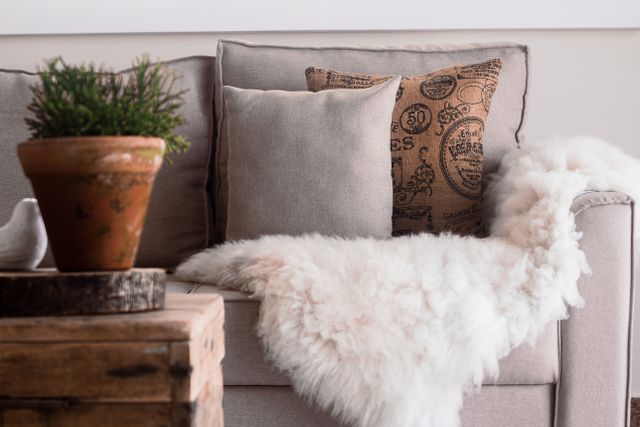
    따뜻한 담요가 있는 포근한 거실 소파

    Photo by Luke de Moura on Pexels

    1. 온도는 난방보다 ‘닿는 것’부터

    추위를 가장 먼저 느끼는 곳은 발과 어깨, 그리고 잠자리입니다. 거실 소파에 전기 담요 하나를 두면 난방 온도를 무리하게 올리지 않아도 저녁 시간이 따뜻해집니다. 고를 때는 자동 전원 차단 기능과 온도 단계, 세탁 가능 여부를 확인하세요. 잠들 때는 전기 담요를 켠 채로 자기보다, 잠자리에 들기 전에 침대를 데워두고 끄는 쪽이 안전하고 숙면에도 좋습니다.

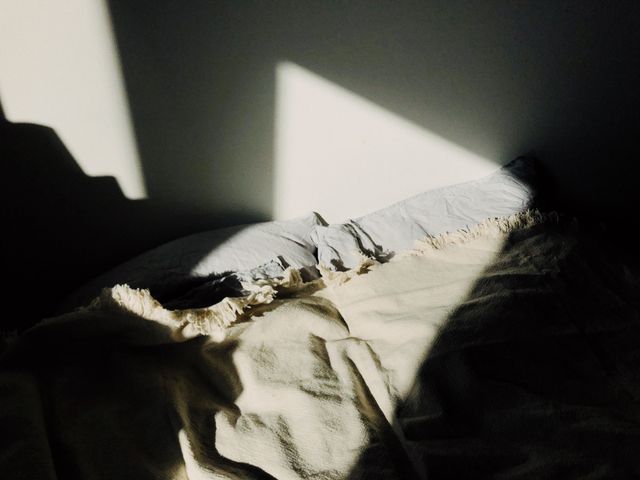
    침구 교체도 11월이 적기입니다. 차갑게 느껴지는 여름 이불을 치우고, 기모나 플란넬 소재의 시트와 이불로 바꾸면 같은 난방 온도에서도 체감 온도가 올라갑니다. 침구는 한 번에 다 사기보다, 시트부터 바꾸고 부족한 부분을 채우는 순서가 부담이 적습니다.

    겨울 햇살이 드는 침실의 포근한 침구

    Photo by ready made on Pexels

    2. 건조한 공기는 가습기로 잡으세요

    난방을 시작하면 실내 습도는 빠르게 떨어집니다. 아침에 목이 칼칼하고 피부가 당긴다면 공기가 건조하다는 신호입니다. 겨울철 실내 습도는 40~60% 정도가 쾌적하게 느껴집니다. 가습기는 침실 머리맡보다 조금 떨어진 곳에 두고, 매일 물을 갈고 주 1~2회는 내부를 세척하는 것이 중요합니다. 따뜻한 가습과 차가운 가습을 바꿔 쓸 수 있는 제품은 계절과 컨디션에 따라 조절하기 편합니다.

    가습기가 없다면 젖은 수건을 널거나, 물을 담은 그릇을 두는 방법도 도움이 됩니다. 다만 효과는 제한적이니, 겨울마다 건조함으로 고생한다면 가습기 하나를 제대로 갖추는 편이 낫습니다.

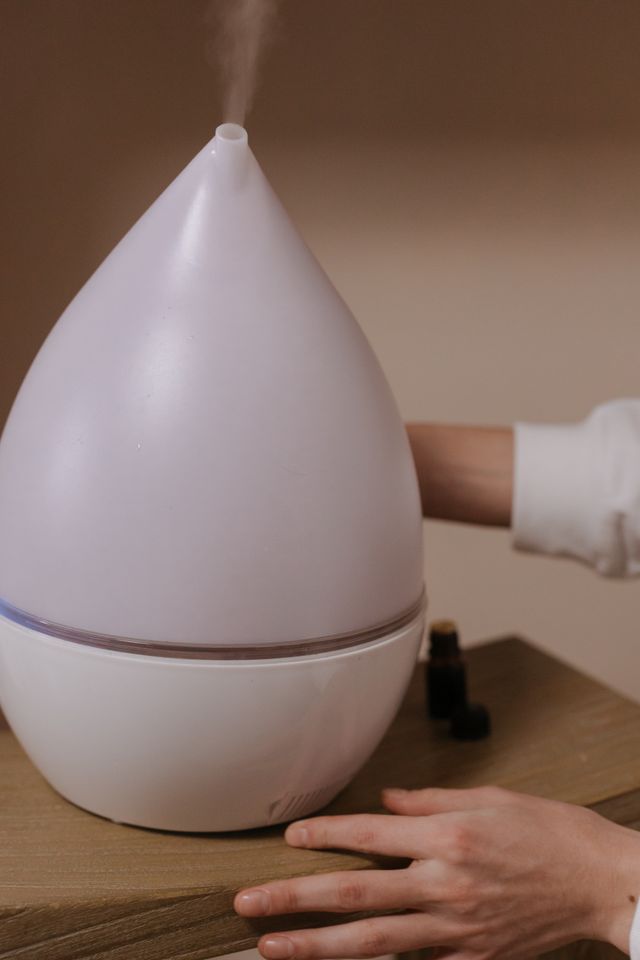
    미스트를 내뿜는 가습기

    Photo by cottonbro studio on Pexels

    3. 따뜻한 차 한 잔이 만드는 저녁 루틴

    겨울 준비에서 빼놓을 수 없는 것이 따뜻한 음료입니다. 한국 겨울의 대표 차는 단연 유자차입니다. 유자청 두세 스푼에 따뜻한 물을 부으면 향긋하고 달콤한 차가 완성되고, 목이 칼칼한 날에는 생강이 들어간 유자생강차가 몸을 데워줍니다. 카페인이 없어 저녁에도 부담이 없습니다.

    전기 포트는 이 루틴을 쉽게 만듭니다. 물이 빨리 끓어 차는 물론 컵라면, 죽, 핫초코까지 겨울 간식이 빨라집니다. 유리 소재 포트는 물때가 눈에 보여 관리하기도 쉽습니다. 저녁에 차 한 잔을 마시는 시간을 정해두면, 그 자체가 하루를 마무리하는 작은 의식이 됩니다.

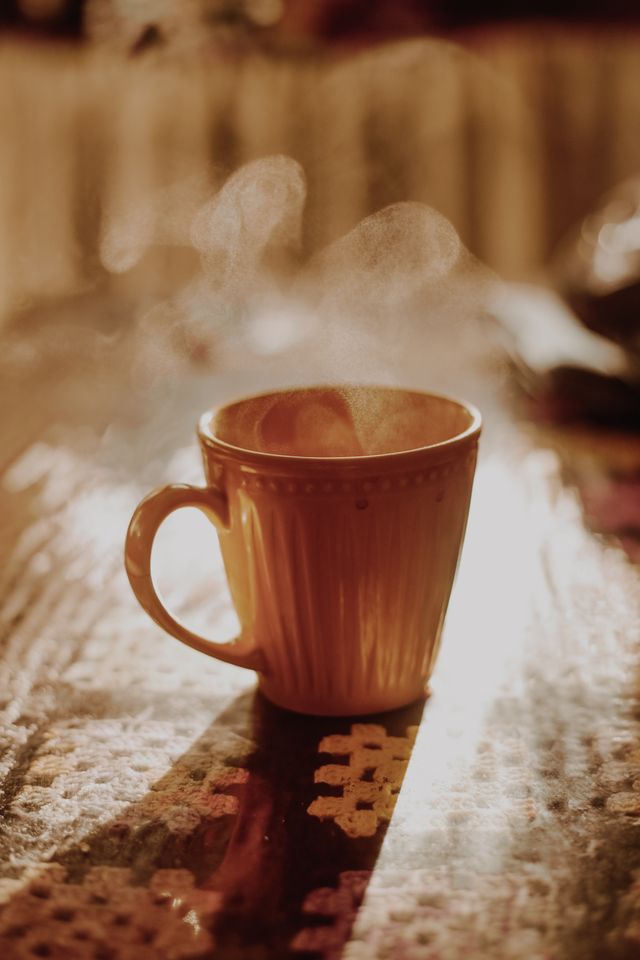
    김이 나는 따뜻한 차 한 잔

    Photo by Edward Eyer on Pexels

    4. 집 안에서 새는 온기 막기

    아무리 데워도 바람이 새면 소용이 없습니다. 창문 틈과 현관문 아래, 오래된 문풍지 상태를 11월에 한 번 점검하세요. 문풍지를 새로 붙이고, 두꺼운 커튼으로 바꾸는 것만으로도 밤 체감 온도가 달라집니다. 낮에는 커튼을 열어 햇볕을 들이고, 해가 지면 바로 닫는 습관도 도움이 됩니다.

    바닥에는 러그나 카펫을 깔아 발의 냉기를 막고, 슬리퍼는 겨울용으로 바꾸세요. 작은 것 같지만, 발이 따뜻하면 온몸이 덜 춥게 느껴집니다.

    5. 옷장과 몸의 겨울 준비

    집만이 아니라 몸도 준비가 필요합니다. 옷장에서는 겨울 외투와 목도리, 장갑을 앞쪽으로 꺼내두고, 보풀이 심한 니트는 정리해두세요. 외출 시에는 얇은 옷을 여러 겹 겹쳐 입는 편이 두꺼운 한 벌보다 따뜻하고, 실내에서 조절하기도 쉽습니다.

    식탁에는 제철 재료를 올리세요. 귤과 고구마, 따뜻한 국물 요리가 겨울 몸을 지탱합니다. 무리한 계획보다 ‘저녁 국물 요리 한 번 더’처럼 작은 변화가 오래갑니다. 그리고 겨울일수록 햇볕을 쬐는 짧은 산책이 기분과 수면에 큰 도움이 됩니다.

    나무 테이블 위의 귤과 오렌지

    Photo by Breakingpic on Pexels

    마무리

    겨울 준비는 하루에 끝내는 숙제가 아니라, 11월 한 달에 걸쳐 집과 몸을 조금씩 겨울 쪽으로 옮기는 일입니다. 닿는 것을 따뜻하게, 공기는 촉촉하게, 저녁에는 차 한 잔. 이 세 가지만 갖춰도 올겨울 집은 훨씬 포근해질 것입니다. 따뜻한 11월 보내세요.

    이 글에서 소개한 준비물

  • Thanksgiving Without the Rush: A Calm 3-Week Countdown to a Cozy Holiday

    Disclosure: I participate in the Amazon Associates Program. If you purchase through our links, we earn a small commission at no extra cost to you. This helps us keep our content free and independent.

    Thanksgiving falls on Thursday, November 26 this year, and that date is closer than it feels. The good news: starting in the first week of November turns the holiday from a frantic final week into a calm countdown. You do not need to do everything early – you just need to do the right few things each week, so Thanksgiving Day itself is mostly cooking, welcoming people, and sitting down at your own table.

    This is a gentle three-week plan: decide and order in week one, shop and prep in week two, and thaw, cook, and host with breathing room in week three. It works for a big family table, a small Friendsgiving, or a quiet two-person holiday.

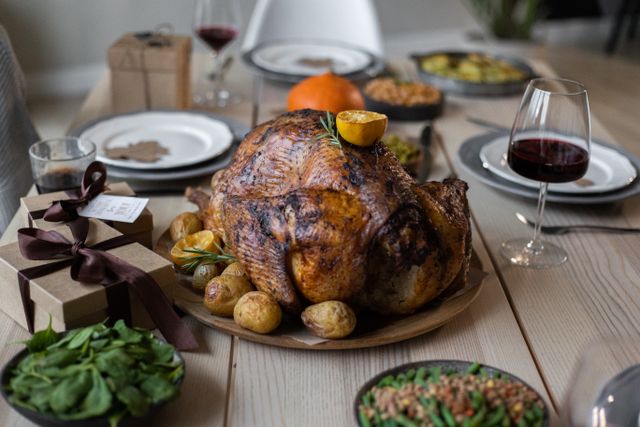
    Roasted turkey on a Thanksgiving dinner table

    Photo by Monstera Production on Pexels

    Week 1 (now to Nov. 8): Decide, count, and reserve

    Start with people, not recipes. Confirm who is coming, ask about allergies and must-have dishes, and write the menu down – one main, three or four sides, one or two desserts, and drinks. A written menu stops the slow creep of “one more dish” that makes Thanksgiving exhausting.

    Order or reserve the turkey this week. As a guide, plan about 1 to 1.5 pounds of whole turkey per person if you want leftovers. If you are buying frozen, note its weight now, because thawing time in week three depends on it.

    Take stock of gear before you buy anything: a roasting pan that actually fits your bird, a reliable meat thermometer, oven bags if you use them, storage containers for leftovers, and enough chairs and serving spoons. A sturdy roasting pan with a rack and baster earns its space – it lifts the turkey so heat circulates, catches the drippings for gravy, and goes back in the cupboard for every Sunday roast after the holiday. Check what you own first, then fill only the real gaps.

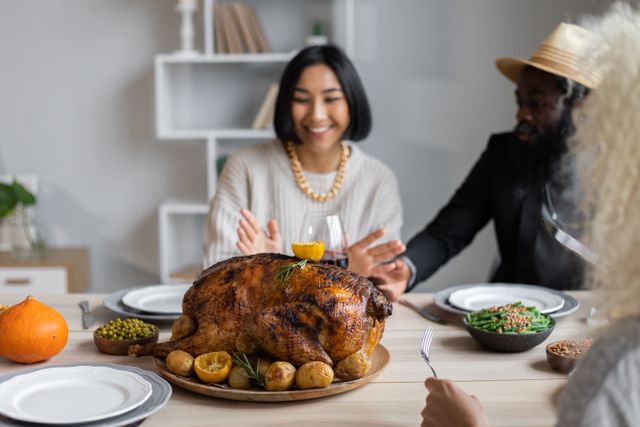
    Friends sharing a Thanksgiving dinner together

    Photo by Monstera Production on Pexels

    Week 2 (Nov. 9-15): Shop in two trips, set the table early

    Split shopping into two trips. This week, buy everything shelf-stable and freezable: broth, flour, sugar, spices, canned pumpkin, cranberries, butter for the freezer, and drinks. Next week is only for fresh food, which keeps the final shop short.

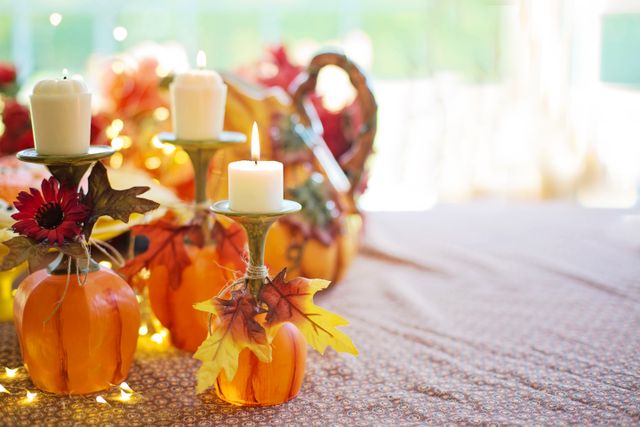
    Do the small home jobs now too. Clear one fridge shelf completely for the turkey and one for finished dishes. Wash the serving platters that live at the back of the cupboard. If you are decorating, keep it simple and in the style this year is leaning toward – natural textures, warm amber and cream tones, low arrangements you can see over. Real pumpkins left from Halloween (the uncarved ones), a linen runner, and candles will carry a table further than a cart of new decor.

    Set the table a full week early if you can spare the room. It sounds excessive until you have done it once: on Thanksgiving Day, a table that is already set makes the whole house feel calm, and it shows you early if you are short a plate, a glass, or a chair.

    Autumn table decor with pumpkins and candles

    Photo by Jill Wellington on Pexels

    Week 3 (Nov. 16-25): Thaw, prep, and protect your time

    Thawing is the step that decides whether the week feels easy. In the fridge, allow roughly 24 hours for every 4 to 5 pounds of turkey – a 16-pound bird needs about four days, so it should move to the fridge by Sunday, November 22 at the latest. Put it on a tray on the lowest shelf, and write the start date on a sticky note so there is no guessing.

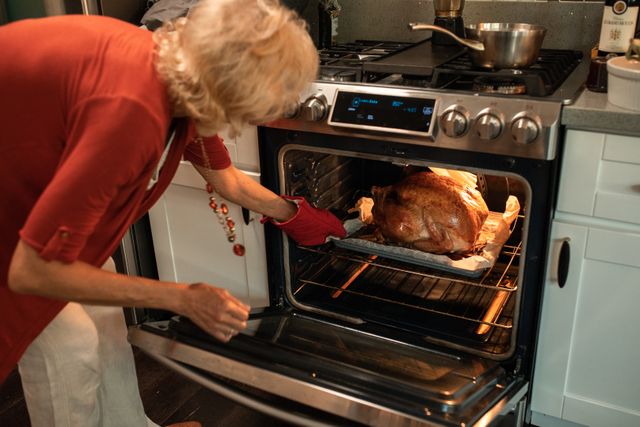
    Prep in layers during this week: pie dough and cranberry sauce on Monday or Tuesday (both improve with rest), chopped sturdy vegetables and assembled casseroles on Wednesday, and only the delicate things – salad, whipped cream, reheating – on Thursday. Oven bags are a forgiving option for a first turkey or a dry oven: they keep the bird moist and make cleanup remarkably easy, which matters when the sink is already full.

    Keep a simple hot drink ready for helpers and early arrivals: an electric kettle heats water fast for tea, cider packets, or instant gravy insurance, and it keeps people gathered in the living room instead of crowding the cook.

    Checking a roasted turkey in a home oven

    Photo by RDNE Stock project on Pexels

    Thanksgiving Day: a short, kind schedule

    Work backward from when you want to eat. If dinner is at 3 p.m., the turkey rests while sides reheat – resting is not optional; 30 to 45 minutes under foil makes carving easier and the meat juicier. Use a digital meat thermometer and trust it over the clock: 165°F in the thickest part of the thigh, without touching bone, is your finish line.

    Assign the last-hour jobs before the day arrives: one person on drinks and ice, one on reheating, one on the table, and you on carving. And build in your own pause – five minutes outside with a warm cup before guests arrive or after they sit down is a legitimate part of hosting.

    After the meal, leftovers go into clear glass containers within two hours, labeled with the date. Future you, opening the fridge on Friday, will be grateful for portions that are visible, stackable, and ready for sandwiches, soup, and the easiest dinner of the year.

    Pumpkin pie with pumpkins

    Photo by Christina Voinova on Pexels

    The takeaway

    Thanksgiving does not reward the host who does the most; it rewards the one who starts a little early. Decide this week, shop in two calm trips, thaw on schedule, and let the table be set before the cooking begins. The holiday is a meal with people you like – keep it that size, and it will feel like one.

    Shop this post

  • 김장, 올해는 가볍게 시작하세요: 2026 김장 시기와 소량 김장 준비 가이드

    공개: 본 포스트는 아마존 어소시에이츠 프로그램에 참여하고 있습니다. 링크를 통해 구매하시면 추가 비용 없이 소정의 수수료가 발생하며, 이는 콘텐츠를 무료로 계속 만드는 데 도움이 됩니다.

    Napa cabbages stacked at an outdoor market

    Photo by L. Lum on Pexels

    김장 이야기를 꺼내면 많은 분들이 먼저 한숨부터 쉽니다. 배추 수십 포기, 하루 종일 이어지는 노동, 허리 통증까지. 그런데 요즘 김장은 달라지고 있습니다. 절임배추를 주문하고, 양은 줄이고, 가족이 먹을 만큼만 담그는 ‘소량 김장’이 자리 잡고 있습니다. 올해 김장은 거창한 행사가 아니라, 주말 반나절의 가벼운 일로 시작해 보세요. 시기를 잘 고르고, 준비를 나누고, 양을 줄이면 김장은 생각보다 훨씬 만만해집니다.

    1. 2026년 김장, 언제가 적기일까요

    김장 시기는 달력보다 기온이 정합니다. 하루 평균기온이 4도 아래로 내려가고, 아침 최저기온이 0도 아래로 머무는 때가 적기입니다. 너무 일찍 담그면 김치가 빨리 시어지고, 너무 늦으면 배추와 무가 얼어 아삭한 맛이 떨어집니다.

    지역별로는 북쪽에서 남쪽으로 갈수록 늦어집니다. 서울과 수도권, 충청은 11월 말에서 12월 초가 무난하고, 서울은 11월 28~29일이나 12월 5~6일 주말이 추천됩니다. 남부는 12월 상순에서 중순, 남해안은 12월 하순 이후까지 늦어집니다. 올해는 겨울 기온이 평년보다 조금 높을 수 있다는 전망도 있으니, 서두르기보다 일기예보를 보며 한 주 정도 늦춰 잡는 여유도 좋습니다. 미국에 사는 분들이라면, 한국 적기를 기준으로 삼되 사는 지역의 첫서리와 추위가 본격적으로 시작되는 시점에 맞춰 담그면 됩니다.

    2. 소량 김장의 기준: 우리 집이 먹는 만큼만

    소량 김장의 출발점은 욕심을 줄이는 것입니다. 4인 가족도 요즘은 배추 20포기보다 10포기 안팎으로 시작하는 집이 늘고 있고, 1~2인 가구는 3~5포기만으로도 겨울 한 철이 든든합니다. 김치냉장고 용량과 평소 김치 소비량을 먼저 떠올려 보세요. 찌개용, 반찬용으로 얼마나 자주 꺼내는지가 기준입니다.

    부족하면 봄에 겉절이나 열무김치로 채우면 됩니다. 김장은 한 번에 겨울 전체를 책임지는 일이 아니라, 계절의 시작을 알리는 일이라고 생각하면 마음이 훨씬 가벼워집니다.

    Fresh red kimchi in a dark ceramic bowl

    Photo by makafood on Pexels

    3. 절임배추를 쓰면 일이 절반으로 줍니다

    소량 김장을 가능하게 한 일등 공신은 절임배추입니다. 배추를 사서 다듬고 절이고 헹구는 과정이 김장에서 가장 힘든 부분인데, 절임배추를 주문하면 양념을 버무리는 일부터 시작할 수 있습니다. 주문할 때는 김장 날짜에 맞춰 도착일을 지정하고, 받으면 바로 상태를 확인하세요. 절임 상태가 짜면 물에 살짝 헹구고, 싱거우면 양념 간으로 조절하면 됩니다.

    양념 비율은 절임배추 10kg 기준으로 고춧가루 700g 안팎, 다진 마늘과 생강, 새우젓과 멸치액젓, 찹쌀풀을 기본으로 잡으면 실패가 적습니다. 매운맛과 짠맛은 집집마다 다르니, 양념을 한 번에 다 넣지 말고 버무리며 맛을 보세요.

    Gloved hand mixing kimchi seasoning with vegetables in a steel bowl

    Photo by Sherine on Pexels

    4. 준비물은 적게, 그러나 제대로

    소량이라도 준비물이 갖춰지면 일이 훨씬 수월해집니다.

    • 버무릴 큰 볼: 배추와 양념이 넉넉히 돌아가는 큰 스테인리스 볼이 있으면 양념이 튀지 않고 고루 섞입니다.
    • 고무장갑: 고춧가루 양념은 손에 물이 들고 자극도 있습니다. 팔목까지 오는 김장용 고무장갑을 꼭 준비하세요.
    • 고춧가루: 김장 맛의 절반은 고춧가루입니다. 색이 곱고 입자가 고른 것을 고르고, 개봉 후에는 밀폐해 냉동 보관하면 색과 향이 오래갑니다.
    • 김치통: 진공 뚜껑이 있는 김치 전용 용기는 냄새를 줄이고 발효를 고르게 도와줍니다. 소량 김장이라면 큰 통 하나보다 작은 통 여러 개가 꺼내 먹기도, 보관하기도 편합니다.

    Fresh vegetables at a Seoul street market

    Photo by Theodore Nguyen on Pexels

    5. 당일 순서는 이렇게 나누세요

    전날에는 양념 재료와 찹쌀풀을 준비하고, 당일 아침에 절임배추의 물기를 빼둡니다. 물기가 충분히 빠져야 양념이 묽어지지 않습니다. 무채와 쪽파, 갓 같은 부재료를 썰어 양념과 먼저 섞고, 마지막에 배추에 버무리는 순서가 좋습니다.

    버무린 김치는 통에 꾹꾹 눌러 담아 공기 접촉을 줄이고, 하루 정도 실온에 두었다가 김치냉장고나 냉장고로 옮기세요. 처음 며칠은 맛이 겉돌 수 있습니다. 일주일쯤 지나면 양념과 배추가 어우러져 제맛이 납니다. 조급해하지 말고 기다리는 것도 김장의 일부입니다.

    Row of traditional Korean onggi jars for storing kimchi

    Photo by Jungsik Kwak on Pexels

    6. 미국에서 담그는 분들을 위한 작은 팁

    재료 수급이 다르면 조금씩 바꾸면 됩니다. 배추는 단단하고 속이 노란 것을 고르고, 고춧가루와 젓갈은 한인 마트나 온라인으로 미리 주문해 두세요. 김치냉장고가 없으면 냉장고 가장 온도가 일정한 안쪽에 보관하고, 작은 용기에 나눠 담아 여닫는 횟수를 줄이면 맛이 오래갑니다.

    마무리

    좋은 김장은 많이 담그는 것이 아니라, 우리 집에 맞게 담그는 것입니다. 기온을 보고 시기를 고르고, 절임배추로 일을 줄이고, 먹는 만큼만 담그세요. 올해는 가볍게 시작한 김장이 겨울 식탁을 가장 든든하게 채워줄지도 모릅니다. 따뜻한 김장철 보내세요.

    이 글에서 소개한 준비물

  • Fall Back This Weekend: A Gentle Guide to Daylight Saving Time Ending on Sunday

    Disclosure: I participate in the Amazon Associates Program. If you purchase through our links, we earn a small commission at no extra cost to you. This helps us keep our content free and independent.

    Alarm clock on a bedside table in morning light

    Photo by Ron Lach on Pexels

    Tonight, after the Halloween costumes come off, most of the United States gets a small gift: an extra hour. Daylight saving time ends at 2 a.m. on Sunday, November 1, 2026, when clocks move back one hour to 1 a.m. — so 1 a.m. happens twice. It is the earliest date the fall-back can fall, and it arrives right after Halloween, which makes this weekend feel longer in the best way — if you handle it gently.

    An extra hour sounds simple, but our bodies notice the shift. Evenings get dark earlier, mornings get brighter sooner, and for a few days sleep, hunger, and energy can feel slightly out of step. This guide is a calm, practical plan for the weekend and the week after: what to do tonight, how to sleep well, how to use morning light, and how to make earlier evenings feel cozy instead of gloomy.

    1. Tonight: set it up before you are tired

    Do the small jobs on Saturday evening, not at 2 a.m. Most phones and computers update themselves, but ovens, microwaves, wall clocks, car clocks, and some alarm clocks do not. Walk through the house once, set those back one hour before bed, and you will wake up on Sunday with no second-guessing.

    Tonight is also a good moment for two quick safety checks that many fire departments recommend at every clock change: test smoke and carbon monoxide alarms, and replace batteries if needed. It takes ten minutes, and tying it to the clock change means you never have to remember a separate date.

    If you celebrated Halloween, keep tonight simple: sort the candy, put a portion away for later in the week, and let the evening wind down earlier than usual. Your body will thank you tomorrow.

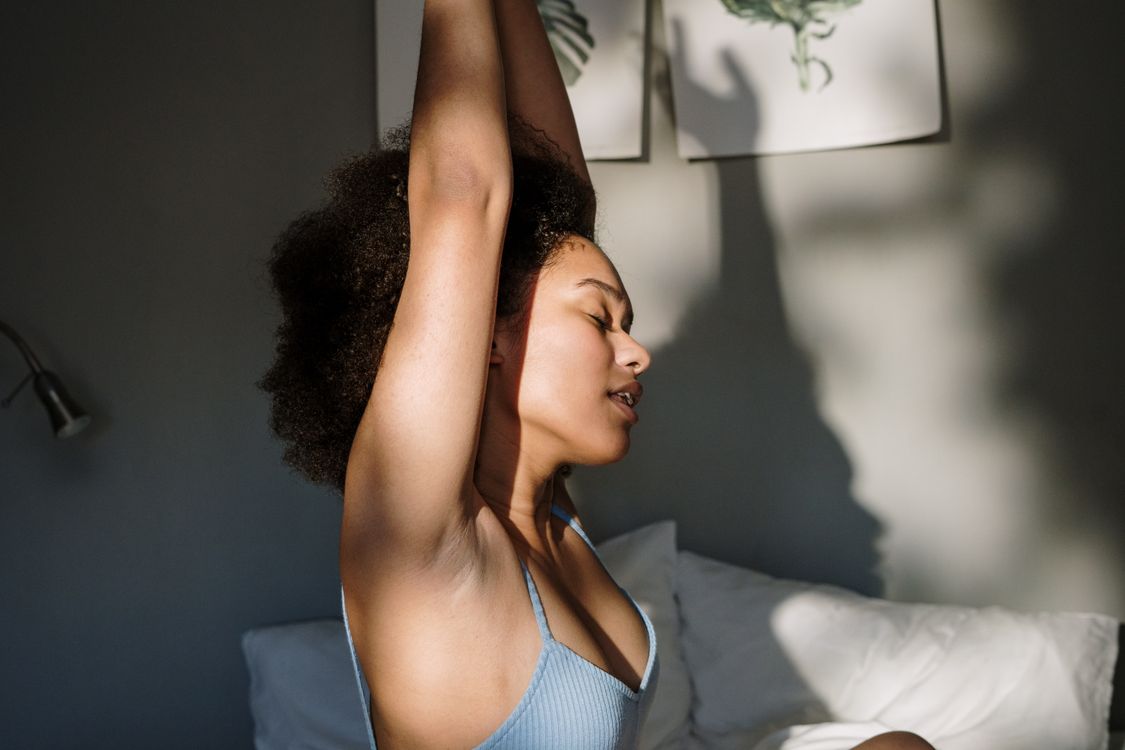
    Person waking and stretching in bed with sunlight

    Photo by cottonbro studio on Pexels

    2. Sleep: use the extra hour, do not spend it all at once

    The kindest way to use the extra hour is to split it. Go to bed close to your normal time, let yourself sleep a little longer in the morning, and avoid one very late night followed by a crash. A consistent wake time — even on Sunday — helps your body settle into standard time within a few days.

    Make the bedroom work for you this week. Earlier darkness can make us sleepy too early in the evening and then wide awake at 3 a.m. Keep the bedroom dark and cool for the actual sleep hours: blackout curtains help block street light and early dawn, and a comfortable sleep mask is useful if you share the room or nap during the day. Keep screens dim in the last hour before bed, and if you wake in the night, keep lights low so your body does not think morning has arrived at 1 a.m. — the first 1 a.m., or the second one.

    3. Morning light is the reset button

    Light is the strongest signal for your body clock, and fall-back week is when to use it on purpose. Get outside or sit by a bright window within an hour of waking, even for 15 to 30 minutes. A morning walk is ideal: it combines light, gentle movement, and fresh air, and it makes the earlier sunset feel less abrupt.

    Morning walk in autumn light in a sunlit park

    Photo by Filip Marcus Adam on Pexels

    Cloudy week or an early work start? A bright light therapy lamp at breakfast can help you feel more awake on dark mornings, and a sunrise alarm clock makes waking before dawn gentler by gradually brightening the room instead of starting the day with a harsh beep in the dark. Neither replaces daylight, but both make November mornings noticeably easier.

    4. Make earlier evenings a feature, not a flaw

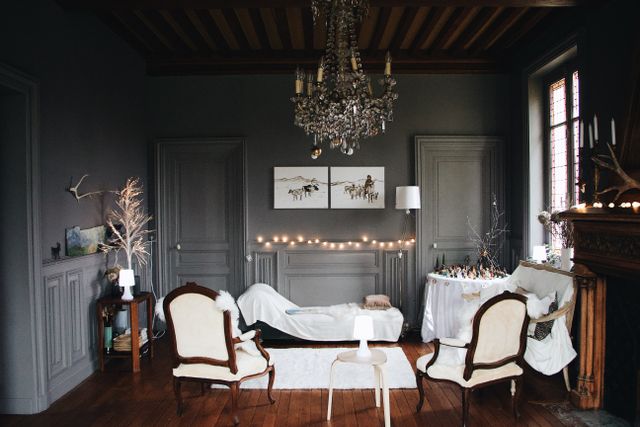
    Cozy evening at home with warm lamp light and armchairs

    Photo by Tasso Mitsarakis on Pexels

    Sunset will suddenly arrive an hour earlier, and the first few evenings can feel surprisingly long. Plan for that instead of fighting it. Move walks and errands earlier when you can, and make the indoor hours deliberate: a real dinner at the table, a board game, a film, a chapter of a book, a warm drink.

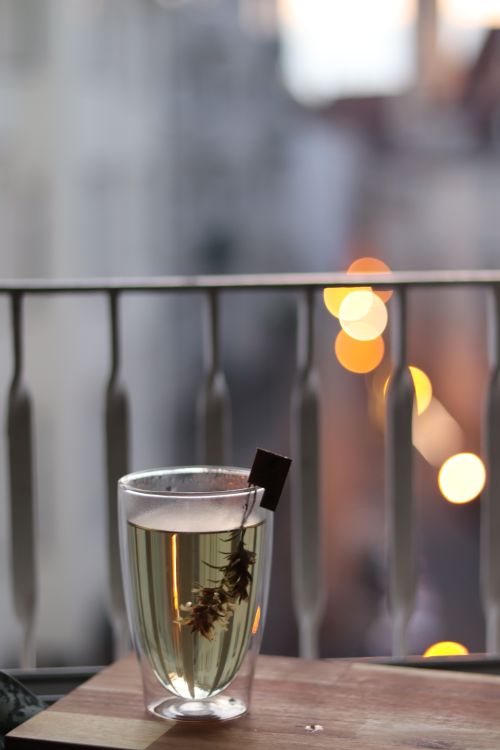
    A caffeine-free herbal tea in the evening is a small ritual that marks the end of the day without keeping you up. Keep caffeinated drinks to the morning this week, especially if you are sensitive — a coffee at 4 p.m. feels very different when your body thinks it is 5 p.m. and bedtime is still hours away.

    Cup of herbal tea in the evening on a balcony

    Photo by Nuray on Pexels

    For children, shift in small steps: keep the same routine in the same order, just watch the clock a little less for two or three days. For pets, feeding times may need a gradual move — animals notice the hour even if they cannot read the clock.

    5. A gentle plan for the first week

    • Sunday: Enjoy the slower morning. Get morning light, keep naps short and early, and eat meals at the new times.
    • Monday and Tuesday: Hold your wake time steady, even if sleep was patchy. Get outside at lunch if mornings are dark.
    • Midweek: Most people feel normal again. If you are still wide awake too early, keep evenings dim and avoid bright light late at night.
    • All week: Drive carefully at dusk. Earlier darkness means more people walking and cycling in low light during the evening commute.

    The takeaway

    Fall-back is the gentler of the two clock changes, but it still deserves a plan. Set the manual clocks tonight, check the alarms, use the extra hour kindly, chase morning light, and make the earlier evenings cozy on purpose. By next weekend, standard time will simply feel like time. Sleep well — you have an extra hour to practice.

    Shop this post

  • 가을 단풍 여행 준비: 남부에서 즐기는 여유로운 단풍 나들이 가이드

    공개: 본 포스트는 아마존 어소시에이츠 프로그램에 참여하고 있습니다. 링크를 통해 구매하시면 추가 비용 없이 소정의 수수료가 발생하며, 이는 콘텐츠를 무료로 계속 만드는 데 도움이 됩니다.

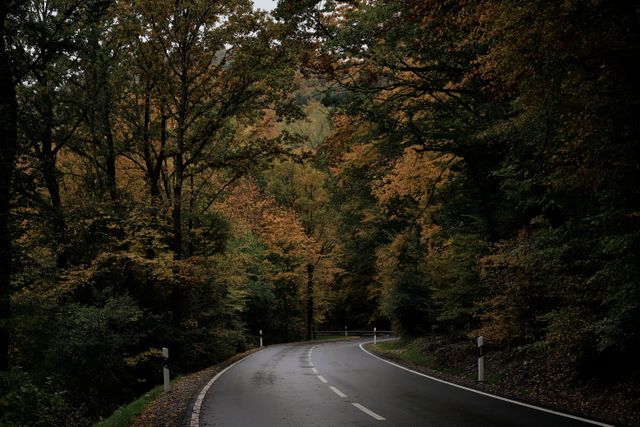
    Winding forest road with vibrant autumn foliage

    Photo by Christina & Peter on Pexels

    가을이 깊어지면 괜히 마음이 바빠집니다. 단풍이 절정이라는 소식을 들을 때마다 "올해는 꼭 가야지" 다짐하지만, 막상 떠나려니 무엇을 챙겨야 할지, 어디로 가야 할지 막막해지기 마련입니다. 사실 단풍 여행은 멀리, 거창하게 떠날 필요가 없습니다. 가까운 산과 공원, 드라이브 코스만 잘 골라도 충분히 가을을 만끽할 수 있습니다. 이 글에서는 미국 남부에 사는 분들을 위한 여유로운 단풍 나들이 준비법을 정리했습니다.

    1. 단풍 시기를 먼저 확인하세요

    남부의 단풍은 북부보다 늦게 찾아옵니다. 보통 10월 말부터 11월 중순까지가 절정인 경우가 많고, 고도가 높은 산악 지역일수록 조금 빨리 물듭니다. 떠나기 전에 해당 지역의 단풍 현황을 한 번만 검색해 보세요. "절정"이라는 말에 쫓기기보다, 조금 이른 시기라도 붉게 물들기 시작한 잎들을 보는 것만으로 충분히 아름답습니다. 주말 인파를 피하고 싶다면 평일 오전, 혹은 일요일 이른 아침을 노려보세요. 주차도 수월하고, 사진 찍기도 훨씬 여유롭습니다.

    Colorful autumn maple leaves close-up

    Photo by Zhifeng Fucha on Pexels

    2. 가볍게 걷기 좋은 곳을 고르세요

    단풍 여행의 목적은 정상 정복이 아니라, 가을을 천천히 눈에 담는 일입니다. 처음이라면 왕복 1~2시간 정도의 완만한 트레일이 좋습니다. 길이 잘 정비된 주립공원이나 호수 둘레길은 아이들과 함께 가기에도 부담이 없고, 중간중간 벤치에서 쉬어가며 간식을 먹기에도 좋습니다.

    길을 고를 때는 세 가지만 확인하세요. 첫째, 화장실과 주차장이 있는지. 둘째, 길이 흙길인지, 돌길인지. 셋째, 해가 지는 시간입니다. 가을 해는 생각보다 빨리 집니다. 오후 3시쯤부터는 돌아올 길을 계산하면서 걷는 것이 안전합니다.

    아이들과 함께 간다면, 아이들에게 작은 임무를 주면 걷는 시간이 훨씬 즐거워집니다. 가장 붉은 잎 찾기, 가장 큰 도토리 찾기, 새소리 세 가지 듣기 같은 놀이는 걷기를 게임으로 바꿔줍니다. 아이의 보폭에 맞추어 천천히 걷고, 20분마다 한 번씩 쉬어가는 것이 요령입니다. 아이가 지쳤다고 하면, 그 자리에서 간식을 먹고 돌아오는 용기도 필요합니다. 무리해서 끝까지 가는 것보다, 즐겁게 돌아오는 것이 다음 여행을 만듭니다.

    Hiker with a backpack walking a forest trail in fall

    Photo by Masood Aslami on Pexels

    3. 옷차림: 겹쳐 입기가 정답입니다

    가을 산행에서 가장 중요한 것은 겹쳐 입기입니다. 아침에는 쌀쌀하고, 걷다 보면 금세 더워지고, 그늘에 들어서면 다시 추워집니다. 얇은 긴팔 위에 가벼운 플리스나 바람막이를 걸치는 식으로 조절할 수 있게 준비하세요.

    신발은 미끄럽지 않은 운동화나 가벼운 등산화가 좋습니다. 낙엽이 쌓인 길은 보기보다 미끄럽습니다. 모자와 선글라스도 챙기세요. 가을 햇살은 부드럽지만, 단풍을 올려다볼 때는 눈이 부시기 쉽습니다. 작은 배낭 하나면 충분합니다. 물, 간식, 휴지, 보조 배터리, 그리고 여분의 양말 한 켤레를 넣어두면 웬만한 상황은 다 해결됩니다.

    Warm drink poured from a thermos outdoors among autumn leaves

    Photo by umranfilm on Pexels

    4. 배낭 속 단풍 여행 체크리스트

    떠나기 전날 밤, 배낭을 미리 꾸려두면 아침이 훨씬 여유롭습니다.

    • 물과 따뜻한 음료: 보온병에 따뜻한 차나 커피를 담아가면, 전망대에 앉아 마시는 한 모금이 여행의 하이라이트가 됩니다.
    • 간식: 견과류, 말린 과일, 작은 샌드위치가 좋습니다. 무겁지 않고, 쓰레기도 적게 나옵니다.
    • 방한 소품: 손난로 몇 개는 가볍고 든든합니다. 특히 손이 시린 분들에게는 작은 위로가 됩니다.
    • 비 대비: 가을 날씨는 변덕스럽습니다. 작게 접히는 우산 하나면 소나기에도 당황하지 않습니다.
    • 보는 재미: 작은 쌍안경이 있으면 멀리 있는 산 능선과 새들을 자세히 볼 수 있습니다. 아이들과 함께라면 더할 나위 없는 놀이 도구가 됩니다.

    5. 사진, 그리고 사진보다 중요한 것

    단풍 사진은 욕심을 버릴수록 잘 나옵니다. 파란 하늘을 배경으로 잎을 올려다보고 찍거나, 길 위에 쌓인 낙엽을 낮게 찍어보세요. 인물 사진은 역광을 피하고, 나무 그늘 아래에서 찍으면 얼굴이 훨씬 부드럽게 나옵니다.

    하지만 사진보다 중요한 것이 있습니다. 잠시 휴대폰을 내려놓고, 바람에 흔들리는 나뭇잎 소리를 들어보는 일입니다. 단풍은 매년 돌아오지만, 오늘의 빛과 공기는 오늘뿐입니다. 전망대에서 10분만 가만히 앉아 있어도, 여행은 충분히 값어치를 합니다.

    Mountain overlook with golden autumn trees

    Photo by ILOVESwitzerland on Pexels

    6. 돌아오는 길까지 여행입니다

    단풍 여행은 돌아오는 길까지 포함입니다. 근처 작은 카페나 식당에 들러 따뜻한 음식을 먹는 것으로 하루를 마무리해 보세요. 차 안에서는 좋아하는 음악을 틀고, 오늘 본 풍경 중 가장 기억에 남는 장면을 서로 이야기해 보는 것도 좋습니다.

    집에 돌아오면 젖은 신발은 바람이 잘 통하는 곳에 말리고, 배낭 속 쓰레기는 바로 정리하세요. 다음 여행이 한결 가벼워집니다.

    마무리

    좋은 단풍 여행은 멀리 가는 것이 아니라, 잘 준비하고 천천히 즐기는 것입니다. 시기를 확인하고, 가벼운 길을 고르고, 겹쳐 입고, 작은 배낭 하나를 챙기세요. 그리고 무엇보다, 서두르지 마세요. 가을은 천천히 걷는 사람에게 가장 아름답게 물듭니다. 이번 주말, 가까운 단풍 길로 가벼운 나들이를 떠나보세요.

    이 글에서 소개한 준비물

  • Halloween Movie Night at Home: A Cozy, Low-Stress Plan for the Whole Family

    Disclosure: I participate in the Amazon Associates Program. If you purchase through our links, we earn a small commission at no extra cost to you. This helps us keep our content free and independent.

    Glowing jack-o'-lantern among fallen leaves

    Photo by Alfredo Marco Pradil on Pexels

    Halloween does not have to mean a big party, a crowded event, or a long night out. Some of the best Halloween memories happen on the couch, in pajamas, with a bowl of popcorn and people you love. A Halloween movie night at home is simple, budget-friendly, and easy to shape around your family — whether you have toddlers who love friendly ghosts or teenagers who want something genuinely spooky.

    This guide gives you a complete, low-stress plan: how to pick the film, set the room, feed everyone without spending the evening in the kitchen, and add a few small touches that make the night feel special.

    1. Pick the movie first — for the youngest person in the room

    The fastest way to ruin a movie night is to choose a film for the loudest person instead of the youngest or most easily scared guest. Decide the tone first: cute, spooky-but-safe, or genuinely tense. Then pick one film and one backup, so nobody spends 40 minutes scrolling.

    • Younger children: Hotel Transylvania, Coco, The Nightmare Before Christmas, Room on the Broom.
    • Tweens: Hocus Pocus, Halloweentown, Coraline, Ghostbusters (1984).
    • Teens and adults: Beetlejuice, The Addams Family (1991), A Quiet Place.

    Check the rating and runtime before you invite anyone, and write both on the invitation or group message. Parents appreciate knowing what to expect, and it avoids an awkward mid-movie switch.

    Bowl of popcorn on a sofa ready for movie night

    Photo by Srattha Nualsate on Pexels

    2. Set the room in 30 minutes

    You do not need a full Halloween transformation. Three layers do the work: screen, light, and seating.

    Start with the screen. A TV works perfectly well, and a small projector can turn a blank wall into a theater if you want a bigger feel. Dim the overhead lights and add warm, low light instead — pumpkin string lights along a shelf or mantel give instant atmosphere without any effort.

    Then build the seating. Pull out every blanket and cushion you own, and let everyone claim a spot. A soft throw for each person keeps the couch cozy and stops the nightly blanket tug-of-war. If kids are joining, a blanket fort on the floor is both seating and entertainment.

    Finally, clear the coffee table. Everything for the night — snacks, drinks, napkins, a small trash bowl — should live within arm's reach, so nobody has to pause the movie to hunt for things.

    Cozy living room with blankets and string lights

    Photo by Maël BALLAND on Pexels

    3. Snacks that make themselves (almost)

    The best movie-night food is food you can eat with one hand, in the dark, without a plate. Popcorn is the star, and a reusable silicone popper means fresh popcorn in minutes with no single-use bags and no burnt-bag smell. Set up a simple topping station: melted butter, salt, cinnamon sugar, and a little grated cheese, so everyone can season their own bowl.

    Add a sweet and a salty option: candy corn or gummy worms in a big bowl, pretzels or chips in another. For drinks, keep it simple — apple cider (warm or cold), hot chocolate, or a fizzy punch. Pour drinks before the movie starts, and keep a towel nearby for the inevitable spill. It will happen, and it will be fine.

    Friends watching a movie together on a couch

    Photo by Vitaly Gariev on Pexels

    4. One activity before the film

    A short activity before the movie settles everyone in and gives late arrivals time to show up without missing the opening scene. Pumpkin carving is the classic, and a proper carving kit with safe, sturdy tools and stencils makes it much easier — and much less messy — than a kitchen knife and guesswork.

    Not carving? Try these instead: a costume-optional dress code (pajamas count), a "spooky name" game where everyone picks a Halloween name for the night, or a quick round of Halloween trivia while the popcorn pops. Keep it to 30–45 minutes, then dim the lights and press play.

    5. A simple run of show that actually works

    Here is a timeline that keeps the night relaxed:

    • 45 minutes before: activities and snack setup.
    • 90–110 minutes: the film.
    • 20 minutes after: wind-down, leftover snacks, and a quick tidy.

    Assign three small jobs — snacks, playlist, cleanup — and the night runs itself. Guests who bring something feel involved, and you do less work.

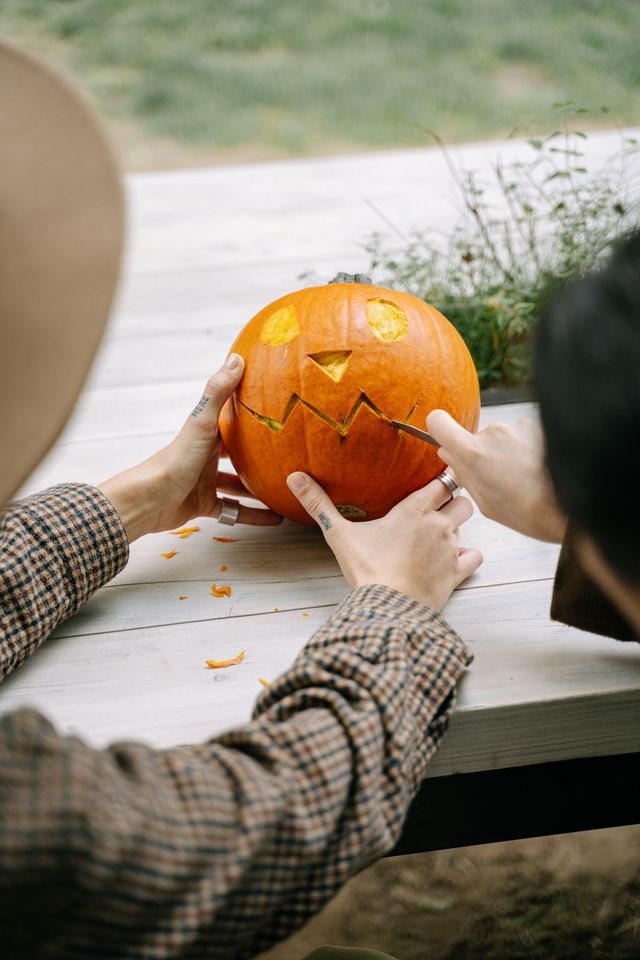
    Two people carving a jack-o'-lantern outdoors

    Photo by Ivan S on Pexels

    6. After the credits: keep it gentle

    When the movie ends, resist the urge to start a second film immediately, especially with kids. A short wind-down — a calm song, a look at the carved pumpkins on the porch, a last cup of cider — helps everyone sleep better. Put the leftover candy in one bowl for tomorrow, toss the trash, and fold the blankets. Ten minutes of tidying tonight saves a grouchy morning.

    The takeaway

    A great Halloween movie night is not about spending a lot or doing everything. It is about one good film, a cozy room, snacks within reach, and people you enjoy sitting next to. Pick the movie for the youngest guest, set the room in half an hour, and let the night be easy. Happy Halloween — and may your popcorn stay warm until the credits roll.

    Shop this post

  • Seville in Autumn: Why Spain’s Sunniest City Is Fall 2026’s Best Shoulder-Season Trip

    Disclosure: I participate in the Amazon Associates Program. If you purchase through our links, we earn a small commission at no extra cost to you. This helps us keep our content free and independent.

    Seville in summer is famous for one thing: heat. In autumn, the city finally relaxes. The light turns golden, the orange trees are heavy with fruit, restaurant terraces fill with locals again, and you can actually enjoy walking — which is the whole point of Seville. It is no surprise that fall 2026 travel data puts Seville at the top of the fastest-growing shoulder-season destinations, with searches up sharply on summer and fares well below peak prices.

    This is not a rushed checklist trip. Seville rewards the slow traveler: one neighborhood in the morning, a long lunch, a plaza in the late afternoon, and tapas when the city wakes up again in the evening. Here is a gentle three-day plan, plus the practical details that make it work.

    Arched colonnade of Plaza de España in Seville, Spain, on a sunny autumn day

    Plaza de España in the morning light — go early, before the tour groups arrive. Photo by Michael Giugliano on Pexels.

    Why autumn is Seville’s best season

    First, the weather. October in Seville is usually warm enough for short sleeves in the afternoon, with cooler, comfortable evenings. You can sit outside without hunting for shade, walk the river path without wilting, and still enjoy a rooftop drink at sunset. Second, the crowds thin out. The Alcázar, the cathedral, and Plaza de España are still popular, but the lines and the crush feel manageable in a way they rarely do in June or July.

    Third, autumn is when Seville feels most like itself. Summer visitors are gone, students are back, flamenco tablaos are in full swing, and the city’s food calendar turns toward mushrooms, chestnuts, game, and hearty stews. If you want postcard weather and a city that is still living its normal life, this is the window.

    Plaza de España in Seville under a blue sky with white clouds

    October skies in Seville are usually this blue — pack sunglasses, not just a jacket. Photo by Reinhard Bruckner on Pexels.

    Day 1: Plaza de España, María Luisa Park, and the river

    Start at Plaza de España, ideally before 10 a.m. Built for the 1929 Ibero-American Exposition, it is a vast semicircle of brick, tile, and bridges over a canal — and it is even more beautiful in person than in photos. Walk the full curve and look for the tiled alcoves: each one represents a different Spanish province, with a small painted scene and a map. Find yours, take the photo, and move on before the midday groups arrive.

    From there, wander into María Luisa Park next door. It is Seville’s green lung: wide paths, fountains, ducks, and benches under palm and jacaranda trees. This is a perfect picnic or coffee-stop park, and a good place to reset if you are jet-lagged. In the late afternoon, walk to the Guadalquivir River and follow the path toward the Torre del Oro, the 13th-century gold tower that once guarded the port. Sunset over the river, with the Triana neighborhood across the water, is one of the city’s simplest pleasures — and it costs nothing.

    Day 2: The old town — Santa Cruz, the cathedral, and the Alcázar

    Day two is for the historic center, and it is best done on foot. Start in Santa Cruz, the old Jewish quarter, where whitewashed houses, orange trees, and tiny plazas create a maze that is genuinely pleasant to get lost in. Do not try to follow a rigid route here; pick a direction, duck down a side street when something catches your eye, and trust that you will find your way back to a main square eventually.

    Old building on Plaza de España in Seville, Spain

    The old town rewards slow walking — every narrow street seems to open onto a small plaza. Photo by Jose Rodriguez Ortega on Pexels.

    The Seville Cathedral is the largest Gothic cathedral in the world, and it earns that title. Give it at least an hour, and climb La Giralda, its bell tower, if you are comfortable with ramps rather than stairs — the tower was designed for horses, so the climb is a long slope, not a staircase. Next door, the Real Alcázar is a different world: Moorish courtyards, intricate tilework, carved ceilings, and gardens with fountains and peacocks. Book tickets for both in advance in autumn; same-day entry is possible, but timed entry saves a long wait.

    Practical tip: wear your most comfortable walking shoes for this day. Santa Cruz is cobblestones and uneven lanes, and you will walk farther than you expect without noticing — until your feet remind you.

    Day 3: Triana, flamenco, and a slow tapas evening

    Cross the Isabel II bridge into Triana, Seville’s riverside neighborhood, famous for ceramics, flamenco, and a fiercely local identity. Visit the Triana market in the morning, browse the ceramic shops along Calle Alfarería, and stop for coffee in a neighborhood café rather than a tourist square. Triana is where Seville feels least performed and most lived-in.

    In the evening, book a flamenco show — not a dinner-and-show package in a big hall if you can avoid it, but a smaller tablao where the singers, guitar, and dancers are close enough to feel. Flamenco is not background music; it is intense, emotional, and best experienced up close. Afterward, do tapas the local way: stand at the bar, order one or two small plates, finish your drink, and move to the next place. Three or four stops make a far better evening than one long, heavy restaurant meal.

    Historic building on Plaza de España in Seville in warm evening light

    Evenings are for lingering — one small plate, one glass, then move on to the next bar. Photo by Jérémy Glineur on Pexels.

    Where to eat without overthinking it

    Seville’s food rule is simple: follow the locals, eat seasonally, and keep portions small. Try salmorejo (a thick, chilled tomato soup, richer than gazpacho), espinacas con garbanzos (spinach with chickpeas, a Seville classic), grilled prawns, and Iberian ham if your budget allows. For something sweet, look for torrijas — Spanish-style French toast, often served with honey — and, in autumn, chestnut desserts and warm churros with chocolate on a cool evening.

    Two habits will save you money and disappointment. First, avoid restaurants with large photo menus right on the main squares; walk one street back and the quality usually rises while the price falls. Second, lunch is the main meal in Spain, and many places offer a good-value menú del día at midday. Eat well at lunch, snack lightly in the evening, and you will feel better for the next day’s walking.

    Practical tips for an autumn trip

    Packing: Layers are the answer. A light jacket for mornings and evenings, breathable clothes for warm afternoons, and one pair of broken-in walking shoes you trust. A small crossbody bag keeps your hands free on crowded streets and in markets.

    Timing: Many shops and smaller sights close in the early afternoon for siesta, then reopen in the evening. Plan major sights for the morning, rest or linger over lunch in the middle of the day, and save neighborhoods and tapas for the evening — you will be moving with the city’s rhythm, not against it.

    Getting around: The historic center is walkable, and that is the best way to see it. For longer distances, Seville has trams, buses, and bike-share. If you stay outside the center, check that your hotel is near a tram or bus line, not just near a famous sight.
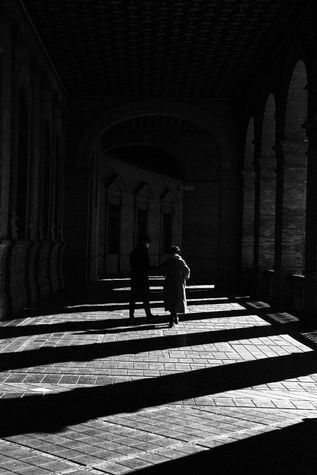
    Two people walking through a shaded arched corridor in Seville, Spain

    Seville’s shaded arcades and courtyards are made for unhurried exploring. Photo by Monica Mena Santos on Pexels.

    Day trips, if you have a fourth day: Córdoba, with its extraordinary Mezquita, is under two hours by train. Cádiz, one of Europe’s oldest cities, offers sea air and a completely different Andalusian mood. Ronda, perched above a gorge, is dramatic but deserves a full day, not a rushed half-day.

    The takeaway

    Seville in autumn is not about ticking off sights as fast as possible. It is about warm light, long lunches, orange-scented streets, and evenings that stretch out over small plates and good conversation. Come for three days, walk slowly, eat seasonally, and leave room in the plan for the plaza you stumble on by accident — that is usually the one you remember best.

    Have you been to Seville in autumn? Tell us in the comments which neighborhood you would start in — Santa Cruz, Triana, or Plaza de España first?

    Travel picks for Seville in autumn

    These are the pieces we would actually pack for this trip — comfortable, light, and useful on cobblestones and in markets.
  • The Cozy Home Reset: A Slow, Soft Fall Routine for Busy People

    Disclosure: I participate in the Amazon Associates Program. If you purchase through our links, we earn a small commission at no extra cost to you. This helps us keep our content free and independent.

    Fall has a way of asking us to slow down — and then handing us a calendar full of school events, work deadlines, and holiday preparation. The cozy home trend for 2026 is not about buying a whole new living room. It is quieter than that: softer light, warmer textures, fewer screens in the evening, and one small corner that actually invites you to sit down.

    This is a reset you can do in a weekend, with things you mostly already own. No renovation, no perfect aesthetic, no pressure to make your home look like a photo. Just a calmer place to land at the end of the day.

    Person in a beige sweater holding a warm mug indoors, surrounded by autumn decor and a cozy blanket

    The reset starts with one warm drink and ten unhurried minutes — not a shopping trip. Photo by Vlada Karpovich on Pexels.

    Start with light, not shopping

    The fastest way to make a room feel cozy is to change the light. Overhead lights, especially cool white ones, make a room feel like an office. Warm, low light makes the same room feel like evening. Try this: in the evening, turn off the big light and use lamps instead — one by the sofa, one by your reading chair, and a candle or salt lamp on a side table if you have one.

    You do not need special bulbs to start. You need fewer lights on, at a lower height, with a warmer glow. If you do buy one thing for light, make it a dimmable warm lamp or a simple salt lamp for a bedroom or reading corner. The goal is not brightness; it is softness. Your eyes, and your nervous system, will notice the difference before your décor does.

    Cozy reading setup with a candle, open book, coffee, and glasses on a blanket

    Warm light, one book, one drink — that is the whole reading corner. Photo by Feyza Daştan on Pexels.

    Make one cozy corner — just one

    Do not try to redo the whole house. Pick one chair, one end of the sofa, or one window seat, and make that spot genuinely inviting. A throw blanket folded within reach, a cushion you actually lean on, a small basket for a book and a charger, and a warm drink nearby. That is a cozy corner.

    The 2026 version of this trend — designers call it “midimalism” or soft, lived-in style — is about texture, not perfection. Linen, wool, cotton, wood, and ceramic beat shiny and matchy-matchy. A slightly wrinkled linen throw, a handmade mug, and a wooden tray look more welcoming than a perfectly styled shelf you are afraid to touch. Choose things you want to use, not just look at.

    If you share your home, make the corner a shared invitation, not a solo retreat. Two mugs, not one. A blanket big enough to share. A basket of books or magazines instead of a single phone charger. Cozy works best when it gives people a reason to sit together without a screen between them.

    Open book with dried flowers on a white blanket surrounded by lighted candles

    One corner, done well, changes how a whole room feels. Photo by Elahe Rahimi on Pexels.

    A simple fall evening routine

    A routine is what turns a cozy room into a cozy life. Here is a 30-minute version that works even on busy weekdays:

    1. The landing (5 minutes). When you get home, change out of work clothes, put your bag away, and open a window for fresh air, even briefly. Small physical cues tell your brain the workday is over.

    2. The warm drink (5 minutes). Make tea, cocoa, or a warm spiced drink — slowly, not from a machine while scrolling. While the kettle boils, put your phone on charge in another room. This is the hardest step and the most important one.

    3. The sit-down (15 minutes). Sit in your cozy corner with the drink, a book, a journal, or simply quiet. No news, no inbox, no “just one quick check.” Fifteen minutes of real rest is worth more than an hour of half-rest with a screen in your hand.

    4. The gentle close (5 minutes). Lay out tomorrow’s clothes, write down the one thing that matters most tomorrow, and dim the lights. You are not trying to be perfect; you are trying to end the day on purpose instead of by accident.

    If 30 minutes feels impossible, start with 10: drink, chair, blanket, no phone. The routine grows when it feels good, not when you force it.

    Cozy autumn picnic scene with tea and pastry on a blanket surrounded by fall leaves

    A small ritual beats a big overhaul: tea, something warm to eat, and a pause before the evening. Photo by betül nur akyürek on Pexels.

    Scent, sound, and the low-tech evening

    Cozy is a feeling made of small senses, not just furniture. Scent is the quickest shortcut: a fall candle, a simmering pot of water with orange peel and cinnamon on the stove, or a few drops of essential oil in a diffuser can change a room in minutes. Choose one scent for the season, so your brain starts to associate it with winding down.

    Sound matters just as much. Try a low-tech evening once or twice a week: music from a speaker instead of a video, a podcast while you cook, or simply quiet while you read. Many people find that removing the television from the bedroom, or at least turning it off an hour before sleep, improves sleep more than any new bedding. You do not have to ban screens; you just have to give them a closing time.

    A paper journal helps here. Writing three lines — what went well today, what you are grateful for, what tomorrow needs — takes two minutes and clears mental clutter better than scrolling. Keep the journal in your cozy corner, not in a drawer, so you actually reach for it.

    Woman sitting on a sofa wrapped in a blanket and holding a burning candle

    Wrap up, light one candle, and let the day end a little earlier than your phone wants it to. Photo by Karola G on Pexels.

    A weekend reset checklist (no shopping required)

    Set a timer for one hour and do only these things: clear one surface completely (a coffee table, a nightstand, or a kitchen counter); wash and fold the throws and cushion covers; open the windows and air the rooms; move one lamp to where you actually sit in the evening; and put a basket or tray by your cozy corner for books, tea, and a charger. Stop after an hour. A home that feels 20 percent calmer is a success — you do not need a magazine reveal.

    If you do want to add one or two things, add them slowly, one per week, and only after you have lived with the reset. A good throw, a candle you love, or a tea sampler you actually drink will bring more joy than five impulse buys in one weekend. Cozy is built by use, not by volume.

    The takeaway

    A cozy home is not a style you buy. It is a rhythm you protect: warm light, a soft place to sit, a warm drink, and a little time without a screen. Start with one corner and one evening routine, keep what feels good, and let the rest go. Fall is short, the days are getting darker, and that is exactly why a small, warm ritual matters more now than in summer.

    What is your one cozy non-negotiable — a blanket, a candle, a mug, or a no-phone hour? Tell us in the comments; we are collecting reader favorites for a follow-up post.

    Cozy picks for a fall home reset

    Small, useful pieces for the routine above — light, warmth, tea, and a place to write it down.

  • The Busy Person’s Guide to Starting a Workout Routine

    Disclosure: I participate in the Amazon Associates Program. If you purchase through our links, we earn a small commission at no extra cost to you. This helps us keep our content free and independent.

    💪 Beginner’s Complete Guide · 2026

    The Busy Person’s Guide to Starting a Workout Routine

    No gym required. No experience needed. Just 30 minutes a day, 4 days a week — and a plan that actually works around your real life.

    ⏱️ 30 min/day
    📅 4 days/week
    🏠 Home or gym
    📆 8-week program
    🔰 Zero experience needed
    🎯

    Our promise: This guide is written for people who are genuinely busy — not pretend-busy. Parents, professionals, students. We build the workout around your life, not the other way around.

    ⚠️

    Why Most Beginners Quit (And How to Not Be One)

    Research shows 50% of people who start a workout program quit within 6 months. The reason is almost never laziness — it’s a plan that was never built for a real schedule.

    📊

    The Truth About Starting

    The biggest mistake beginners make is doing too much, too soon. Going from zero to 6-days-a-week at high intensity almost always leads to injury, burnout, or both — usually within 3 weeks. The science is clear: consistency beats intensity, especially in the first 8 weeks. Your body needs time to adapt.

    01

    ❌ Mistake: Too Much Too Soon

    Starting at 6 days/week when you haven’t exercised regularly causes injury and burnout. Our program starts at 3–4 days with built-in rest.

    02

    ❌ Mistake: No Clear Plan

    “I’ll just go to the gym and figure it out” leads to wandering, wasted time, and quitting. A written schedule removes every decision point.

    03

    ❌ Mistake: Perfectionism

    Skipping a workout because you “only have 20 minutes.” 20 minutes of movement beats zero minutes of waiting for perfect conditions every single time.

    04

    ❌ Mistake: Scale-Only Progress

    Weight can fluctuate 2–5 lbs daily from water. Track how you feel, your energy levels, strength gains, and sleep quality — not just the number.

    🛒

    What You Actually Need (And What You Don’t)

    You don’t need a gym membership or expensive equipment to start. Here’s what genuinely helps — marked by priority.

    ✅

    The Honest Truth

    You can complete this entire 8-week program with just a yoga mat and a pair of dumbbells. Everything else is a nice upgrade — not a requirement. Don’t let gear be the barrier to starting.

    🏋️

    Adjustable Dumbbells

    $50–$180 · Amazon

    The single most useful piece of home gym equipment. Adjustable sets (5–50 lbs) replace an entire dumbbell rack. Bowflex SelectTech or Amazon Basics are the go-to beginner picks.

    🔴 Must Have

    🧘

    Exercise Mat

    $25–$60 · Amazon

    Essential for floor work — push-ups, planks, core exercises. Look for at least 6mm thickness. The Gaiam or Amazon Basics mat is all you need to start.

    🔴 Must Have

    👟

    Training Shoes

    $60–$120 · Amazon

    Don’t run in running shoes or lift in running shoes — they’re too cushioned and can cause ankle instability. A flat cross-trainer (Nike Metcon, New Balance Minimus) gives better ground contact.

    🔴 Must Have

    🎯

    Resistance Bands Set

    $15–$35 · Amazon

    A set of loop bands (light/medium/heavy) adds variety to leg and glute work, assists with pull-up progressions, and travels anywhere. Theraband or Fit Simplify sets are excellent.

    🔵 Highly Recommended

    ⏱️

    Interval Timer App

    Free · Smartphone

    Download “Interval Timer” (free iOS/Android) or use a smart watch. Keeps your rest periods honest — one of the biggest levers for workout efficiency that beginners ignore.

    🔵 Highly Recommended

    🎧

    Wireless Earbuds

    $25–$80 · Amazon

    The right playlist or podcast genuinely improves workout performance by 10–15% (research-backed). Anker Soundcore or JLab are excellent affordable picks — no need to spend $150+.

    🔵 Optional Upgrade

    📊

    Fitness Tracker

    $30–$150 · Amazon

    Tracking steps and heart rate makes a measurable difference in motivation. Fitbit Inspire 3, Xiaomi Band, or Samsung Galaxy Fit — not required, but very motivating for beginners.

    🟢 Nice Upgrade

    💧

    Water Bottle (32 oz+)

    $15–$45 · Amazon

    Hydration is wildly underrated for workout performance. Even 2% dehydration reduces strength by measurable amounts. A Hydro Flask or Stanley quart bottle keeps water cold for hours.

    🔴 Must Have

    🚀

    How to Start — The Right Way
    ⚡

    Rule #1: The 10-Minute Rule

    On days you don’t feel like working out — commit to just 10 minutes. Put on your shoes, start the first exercise. Almost every time, you’ll finish the full workout. And on the rare day you genuinely stop at 10 minutes? 10 minutes still counts. This rule has saved thousands of workout streaks.

    01

    📅 Schedule It Like a Meeting

    Put your 4 workout days in your calendar with a specific time. “I’ll work out when I have time” never works. Tuesday 6AM or Thursday 7PM — pick the slot and protect it.

    02

    🌅 Morning Works Best for Busy People

    Research consistently shows morning exercisers are more consistent. Life derails afternoon plans. If morning isn’t possible, lunch breaks work well — evening is the hardest to protect.

    03

    👕 Lay Out Your Clothes

    Decision fatigue is real. Lay out your workout clothes the night before. Reduce the number of micro-decisions between waking up and exercising. Make it the path of least resistance.

    04

    📓 Track Every Workout

    Write down what you did — exercises, sets, reps, weight. This creates accountability, lets you progress systematically, and gives you a record to look back on when motivation dips.

    05

    🔥 Warm Up — Always

    5 minutes of light movement before every session: arm circles, leg swings, jumping jacks, hip rotations. Cold muscles tear. Warm muscles perform. Never skip this.

    06

    😴 Rest Days Are Training Days

    Your muscles grow during rest, not during the workout. Sleep 7–9 hours. Rest days aren’t failure days — they’re when your body gets stronger from the stress you applied.

    “The workout you actually do is infinitely better than the perfect workout you skip.”

    — Every sports scientist, ever

    📅

    Your 8-Week Beginner Schedule

    Built for real life: 4 days on, 3 days off. Workouts are 25–35 minutes including warm-up. Each phase builds on the last — never increase weight by more than 10% per week.

    📈 How the Program Builds

    Week 1–2

    Foundation (light)

    Week 3–4

    Build (moderate)

    Week 5–6

    Push (challenging)

    Week 7–8

    Peak (advanced beginner)

    📗 Phase 1: Foundation (Weeks 1–2)

    Goal: learn the movements, build the habit, find your starting weights. Don’t go to failure — stop 2 reps before you can’t do more.

    Day Type Workout Duration
    Monday Strength Upper Body A
    Push-ups 3×10 · Dumbbell rows 3×10 · Overhead press 3×10 · Bicep curl 2×12
    30 min
    Tuesday Rest Active rest — 20-min walk, stretching, or yoga. No intense exercise. Optional
    Wednesday Cardio Low-Intensity Cardio
    25 min brisk walk (outdoor or treadmill) OR 20 min stationary bike at easy pace. Heart rate: conversational.
    25 min
    Thursday Strength Lower Body A
    Bodyweight squat 3×12 · Reverse lunge 3×10/leg · Glute bridge 3×15 · Calf raise 2×15
    30 min
    Friday Rest Full rest or light walk —
    Saturday Full Body Full Body Circuit
    3 rounds: Squat 10 · Push-up 8 · Dumbbell row 10/side · Plank 20 sec · Rest 90 sec between rounds
    30 min
    Sunday Rest Full rest. Meal prep, hydrate, sleep 8 hours. —

    📙 Phase 2: Build (Weeks 3–4)

    Add weight (5–10 lbs), increase sets. Introduce supersets — two exercises back-to-back with no rest in between, then 60–90 sec rest.

    Day Type Workout Duration
    Monday Strength Upper Body B (Supersets)
    Superset 1: Push-up 3×12 + Dumbbell row 3×12
    Superset 2: Shoulder press 3×10 + Bicep curl 3×10
    Tricep dip 2×12
    32 min
    Tuesday Rest Active rest — walk, stretch, foam roll Optional
    Wednesday Cardio Interval Walk/Jog
    5 min warm-up walk · Alternate 1 min jog / 2 min walk × 6 rounds · 5 min cool-down walk
    30 min
    Thursday Strength Lower Body B (Supersets)
    Superset 1: Goblet squat 3×12 + Glute bridge 3×15
    Superset 2: Reverse lunge 3×10/leg + Lateral band walk 3×12/direction
    Romanian deadlift 3×10
    32 min
    Friday Rest Full rest —
    Saturday Full Body Full Body Circuit (Harder)
    4 rounds: Squat 12 · Push-up 10 · DB row 12/side · Plank 30 sec · Mountain climber 20 · Rest 75 sec
    35 min
    Sunday Rest Full rest. Prep for the week ahead. —

    📘 Phase 3: Push (Weeks 5–6)

    Increase weight again. Add HIIT cardio. You should be breathing hard and feeling challenged — but still finishing every rep with good form.

    Day Type Workout Duration
    Monday Strength Push Day
    Bench press (or DB press) 4×10 · Push-up 3×15 · Shoulder press 3×10 · Lateral raise 3×12 · Tricep overhead ext. 3×10
    35 min
    Tuesday HIIT 20-Min HIIT
    5 min warm-up · 10 rounds: 30 sec MAX effort (jump squat, burpee, or sprint) / 30 sec rest · 5 min cool-down stretch
    25 min
    Wednesday Strength Pull Day
    DB row 4×10/side · Face pull (band) 3×15 · Bicep curl 3×12 · Hammer curl 3×10 · Band pull-apart 2×15
    33 min
    Thursday Rest Active rest — yoga or long walk Optional
    Friday Strength Legs Day
    Goblet squat 4×12 · Romanian deadlift 4×10 · Walking lunge 3×12/leg · Leg press or step-up 3×12 · Calf raise 4×15
    35 min
    Saturday Rest Full rest or active recovery —
    Sunday Rest Full rest —

    🏆 Phase 4: Peak (Weeks 7–8)

    Full push/pull/legs split. You’re no longer a beginner — this is intermediate-level training. Maintain this base for the next program.

    Day Type Workout Duration
    Monday Push Push Day (Heavy)
    DB chest press 4×8 · Incline push-up 3×15 · Arnold press 4×10 · Lateral raise 3×15 · Skull crusher 3×10
    35 min
    Tuesday Cardio 25-Min HIIT or 35-Min Run
    Choice: 25 min HIIT circuit OR continuous 35 min jog at conversational pace (you should be able to speak 5-word sentences)
    25–35 min
    Wednesday Pull Pull Day (Heavy)
    DB row 4×10 · Resistance band lat pull 3×15 · Reverse fly 3×12 · Concentration curl 3×12 · Band face pull 3×15
    35 min
    Thursday Rest Rest or light yoga —
    Friday Legs Legs Day (Heavy)
    Goblet squat 4×10 · Single-leg RDL 3×10/leg · Bulgarian split squat 3×10/leg · Lateral lunge 3×10/leg · Calf raise 4×20
    38 min
    Saturday Core Core & Mobility
    Plank 3×45 sec · Dead bug 3×10/side · Bird dog 3×10/side · Side plank 2×30 sec/side · 10-min hip flexor stretch series
    25 min
    Sunday Rest Full rest. Celebrate — you finished 8 weeks! 🎉
    🏋️

    Master These 6 Foundational Exercises

    These movements appear throughout all 8 weeks. Learn them well in Week 1 — everything else builds from here.

    Squat

    Quads · Glutes · Core
    Start→Parallel depth
    3 sets10–15 reps60 sec rest

    Feet shoulder-width apart, toes slightly out. Sit back like you’re lowering onto a chair. Chest up, knees track over toes. Go to parallel (thighs parallel to floor) or as low as comfortable.

    👶 Beginner mod: Hold a chair back for balance. Add dumbbells Week 3+.

    Push-Up

    Chest · Triceps · Shoulders · Core
    Arms extended (up)→Chest 1″ from floor
    3 sets8–15 reps60 sec rest

    Hands just wider than shoulders. Body forms a straight line from head to heels. Lower chest to 1 inch from the floor. Don’t let hips sag or hike up. Breathe out on the push.

    👶 Beginner mod: Knees on floor until you can do 10 full reps.

    Dumbbell Row

    Back · Biceps · Core
    Arm hanging→Elbow past torso
    3 sets10–12 reps60 sec rest

    One hand and knee on bench. Opposite foot on floor. Pull dumbbell to hip — not shoulder. Elbow goes close to body, past your torso. Squeeze your back at the top. Control the descent.

    👶 Beginner mod: Start with 8–12 lbs. Focus on feeling your back, not your arm.

    Glute Bridge

    Glutes · Hamstrings · Lower Back
    Start (flat)→Hips driven up
    3 sets12–15 reps45 sec rest

    Lie on back, knees bent, feet flat on floor hip-width apart. Drive hips up until body forms a straight line from knees to shoulders. Squeeze glutes hard at the top. Hold 1 second.

    🔥 Upgrade: Add a dumbbell on your hips Week 3+ or try single-leg variation.

    Plank

    Core · Shoulders · Full Body Stability
    Keep hips level — squeeze everything
    3 sets20–45 sec45 sec rest

    Forearms on floor, elbows under shoulders. Body straight from head to heels. Squeeze everything — abs, glutes, quads. Breathe normally. If hips sag, drop to knees. Quality over duration.

    👶 Beginner mod: Start at 15 seconds and add 5 sec every session.

    Reverse Lunge

    Quads · Glutes · Balance
    Stand tall→Back knee near floor
    3 sets10 reps/leg60 sec rest

    Stand tall. Step one foot back and lower the back knee toward the floor (don’t let it slam). Front knee stays over ankle. Push through front heel to return. Alternate legs.

    👶 Beginner mod: Hold a wall for balance. Add dumbbells when balance is confident.
    🥗 Fueling Your Workouts
    You don’t need a complicated diet. These 4 simple nutrition habits will amplify everything the workouts do.
    🥩

    Eat Enough Protein

    Aim for 0.7–1g of protein per pound of body weight daily. Chicken, eggs, Greek yogurt, cottage cheese, tofu. Protein repairs the muscle damage from training — without it, progress stalls.

    ⏰

    Pre-Workout Fuel

    Eat a small carb + protein snack 30–60 min before training. Banana + peanut butter. Rice cake + turkey. Oatmeal with protein powder. Avoid heavy meals within 2 hours of training.

    💧

    Hydrate Seriously

    Drink 16 oz of water 2 hours before training. Sip throughout. Drink 16 oz after. On hot days or sweaty sessions, add electrolytes. LMNT or Liquid IV packets are worth it.

    😴

    Sleep Is the Most Underrated Tool

    7–9 hours of sleep is where 80% of muscle repair happens. Growth hormone peaks during deep sleep. Consistent sleep deprivation will undercut any training program — it’s not optional.

    📦

    Top Amazon Picks to Get You Started

    The exact gear our editorial team recommends for beginners — all Prime-eligible, all under $100 to start.

    🏋️

    Amazon Basics Neoprene Dumbbell Set (5/10/15 lb)

    $54.99 on Amazon

    Perfect starter set — enough weight for all Phase 1–2 exercises. Neoprene coating protects floors and hands. Comes with a 3-tier stand.

    🛒 Shop on Amazon →

    🧘

    Gaiam Premium 6mm Yoga & Exercise Mat

    $29.98 on Amazon

    6mm cushioning — thick enough for floor work, thin enough for balance exercises. Non-slip texture, easy to wipe down, comes in 10+ colors.

    🛒 Shop on Amazon →

    🎯

    Fit Simplify Resistance Loop Bands (Set of 5)

    $13.95 on Amazon

    5 resistance levels from extra-light to extra-heavy. Used in glute work, warm-ups, and mobility throughout all 8 weeks. Best bang-per-dollar in this entire list.

    🛒 Shop on Amazon →

    💧

    Hydro Flask 32 oz Wide Mouth Water Bottle

    $44.95 on Amazon

    Keeps water cold for 24 hours. Holds enough for a full workout session. The “buy it for life” water bottle — we’ve had ours for 4 years and it looks new.

    🛒 Shop on Amazon →

    📊

    Fitbit Inspire 3 Health & Fitness Tracker

    $79.95 on Amazon

    Tracks heart rate, steps, sleep, active minutes, and calories. The entry-level Fitbit that does everything beginners need. 10-day battery life.

    🛒 Shop on Amazon →

    🎧

    Anker Soundcore Life P2 Earbuds

    $25.99 on Amazon

    40-hour battery (7 hrs buds + 33 hrs case), IPX7 waterproof, secure ear-hook fit that doesn’t fall out during burpees. Our go-to under $30 gym earbuds.

    🛒 Shop on Amazon →

    🏆

    You’ve Got Everything You Need

    The schedule, the exercises, the gear list, the nutrition basics — it’s all here. The only thing left is to start. Open your calendar, block your first 4 workout days this week, and lay out your clothes tonight. The first workout is the hardest one you’ll ever do. Every one after that gets easier.

  • 9 Best Home & Lifestyle Products We Actually Use

    ⭐ Editor’s Picks · October 2026

    9 Best Home & Lifestyle Products We Actually Use

    We tested hundreds of products so you don’t have to. These are the home upgrades our team swears by — organized by room, ranked by value.

    🕐 Updated October 2026
    📦 All on Amazon Prime
    ⚠️ Disclosure: I participate in the Amazon Associates Program. If you purchase through our links, we earn a small commission at no extra cost to you. This helps us keep our content free and independent.
    💡

    How We Pick

    Every product on this list has been tested by our team for at least 30 days. We prioritize items with 4+ star ratings, 500+ verified reviews, Amazon Prime eligibility, and a strong return policy. We update this list every quarter — this edition reflects our October 2026 testing round.

    1
    Kitchen Essentials 🍳

    High-ticket kitchen appliances earn 3–8% commission and have among the highest purchase intent of any home category. These picks convert reliably because readers are already in “buy mode.”

    Instant Pot

    ⭐ Top Pick
    Instant Pot Duo 7-in-1 Electric Pressure Cooker (6 Qt)
    ★★★★★4.7 · 142,000+ reviews
    $79.99 $99.99

    The best-selling kitchen appliance on Amazon for 5 straight years. Replaces 7 appliances — pressure cooker, slow cooker, rice cooker, steamer, sauté pan, yogurt maker, and warmer. Perfect “buy it for life” recommendation.

    • Cuts cook time by up to 70%
    • One-pot cleanup, dishwasher-safe inner pot
    • 14 smart programs — rice, beans, soup, cake
    • 3 steam-release options including QuickRelease

    Coffee

    Best Value
    Ninja CE251 Programmable Brewer (12-Cup)
    ★★★★½4.5 · 68,000+ reviews
    $59.99

    The go-to recommendation for budget-conscious coffee lovers. Programmable up to 24 hours in advance, mid-brew pause, and a thermal carafe option. Readers who own a $300 espresso machine still love this for drip coffee.

    • Brew strength: Classic or Rich
    • Delay brew up to 24 hours
    • Mid-brew pause-and-pour
    • 60-oz water reservoir

    Storage

    Budget Gem
    OXO Good Grips 10-Piece POP Container Set
    ★★★★★4.8 · 31,000+ reviews
    $89.99 $109.99

    The most gifted kitchen organization set on Amazon. One-push airtight seal, stackable, BPA-free. Once a reader sees these in a pantry photo, they must have them. Extremely high “buy after seeing” conversion rate.

    • Airtight one-push button seal
    • Square shape maximizes cabinet space
    • Dishwasher safe, BPA-free Tritan
    • Works for dry goods, coffee, cereal, pasta
    2
    Bedroom & Sleep 🛏️

    Sleep products have high purchase urgency (people buy when they’re suffering, not browsing) and strong price points. Mattress toppers, white noise machines, and weighted blankets are perennial Amazon bestsellers.

    Sleep

    ⭐ Editor’s Choice
    Gravity Weighted Blanket (15 lbs, 48″×72″)
    ★★★★½4.6 · 22,000+ reviews
    $149.00 $195.00

    The original weighted blanket that started the category. Deep-touch pressure stimulation reduces cortisol and increases serotonin — science-backed. High ticket item at $149 with a 7% commission rate in the bedding category.

    • Fine-glass bead fill for even weight distribution
    • Removable, machine-washable duvet cover
    • Available in 15, 20, and 25 lb versions
    • Reduces anxiety and improves sleep quality

    White Noise

    Best Seller
    LectroFan White Noise Machine (20 unique sounds)
    ★★★★★4.7 · 85,000+ reviews
    $49.95

    The cult-favorite white noise machine with 10 fan sounds and 10 ambient noise variations. No moving parts, no loops — every sound is electronically generated so there’s never a jarring restart. Parents, shift workers, and light sleepers swear by it.

    • 20 unique non-looping sounds
    • Precise volume control (up to 85dB)
    • Compact — travels in a carry-on
    • USB or wall power
    3
    Wellness & Self-Care 🌿

    The wellness category has exploded post-pandemic. Readers buy supplements, massagers, and fitness tools on impulse — especially when there’s a personal story or before/after element. Category earns 4–7% commission.

    Massage

    ⭐ Most Gifted
    Theragun Mini Percussive Therapy Device
    ★★★★½4.5 · 17,000+ reviews
    $179.00 $199.00

    The entry-level Theragun that makes the brand accessible. Quietest percussion massager in its class (69dB), 150-minute battery life, and 3 built-in speeds. Favorite of marathon runners, desk workers, and athletes. Among the highest-converting single items in our wellness category.

    • 2400 percussions per minute at max speed
    • 3 attachments included
    • Pairs with Therabody app for guided routines
    • Only 1.43 lbs — purse-friendly

    Air

    Best Value
    Levoit Core 300 True HEPA Air Purifier
    ★★★★★4.7 · 52,000+ reviews
    $99.99 $129.99

    The air purifier that took over social media in 2024 and never looked back. True HEPA filter captures 99.97% of particles 0.3 microns and larger — pet dander, pollen, smoke, dust mites. Near-silent at 24dB. Perfect for bedrooms, nurseries, and home offices.

    • 3-stage filtration: pre-filter + HEPA + activated carbon
    • Covers 219 sq. ft. in 12 minutes
    • 24dB sleep mode — quieter than a whisper
    • Night light function, 360° air intake
    4
    Smart Home & Tech 🏠

    Smart home tech is a gateway category — one purchase often leads to 3–5 follow-on purchases in the same ecosystem (Alexa devices, smart plugs, cameras). Earn on the bundle, not just the first click.

    Amazon

    ⭐ Gateway Pick
    Echo Dot (5th Gen) Smart Speaker with Alexa
    ★★★★½4.6 · 198,000+ reviews
    $49.99 $59.99

    The best-selling Amazon device and the #1 entry point into the smart home ecosystem. Once a reader buys this, they come back for smart plugs, cameras, and bulbs — all through your links. The Echo Dot drives more follow-on affiliate revenue than almost any other single product recommendation.

    • Improved bass vs. 4th gen — actually sounds good
    • Built-in temperature sensor
    • Eero Wi-Fi extending capability
    • Controls lights, locks, thermostats via voice

    Smart Bulbs

    Bundle Value
    Kasa Smart Bulbs KL130 (4-pack, color-changing)
    ★★★★½4.6 · 28,000+ reviews
    $39.99

    The smart bulb readers actually keep. No hub required — connects directly to Wi-Fi. 16 million colors, warm white to cool white, works with Alexa, Google Home, and Apple HomeKit. Readers who buy the Echo Dot (above) reliably buy these within 30 days.

    • No hub or subscription required
    • Schedule, timer, and away mode
    • Works with all major voice assistants
    • 800-lumen brightness, A19 standard base